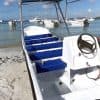
Party Boat Booze Cruise
5.0(5)
From
View Details$65
Dominican Safari from Punta Cana: Cultural Adventure, Local Life, Coffee, Cocoa and Countryside
Discover the Dominican Republic Beyond the Resort
A vacation in Punta Cana can be filled with beautiful beaches, turquoise water, palm-lined resorts, and unforgettable Caribbean sunsets. But beyond the polished resort areas is another side of the Dominican Republic waiting to be discovered: a world of mountain landscapes, rural communities, family farms, tropical plantations, traditional food, local craftsmanship, and generations-old cultural traditions.
The Dominican Safari from Punta Cana offers an exciting way to experience that side of the island in a single full-day adventure. Instead of spending your entire vacation inside the resort zone, climb aboard a colorful open-air safari truck and travel inland toward the spectacular Anamuya Mountains, where the pace of life changes and the Dominican countryside takes center stage.
This approximately eight-hour cultural adventure combines scenic exploration, authentic encounters, local tastings, traditional Dominican cuisine, countryside activities, and time to relax in nature. Along the way, your professional guide helps connect the places you visit with the history, culture, traditions, and everyday life of the Dominican Republic.
The experience is designed for travelers who want more than sightseeing. You will have opportunities to see how local products are grown and prepared, visit a traditional Dominican home and plantation, learn about coffee and cacao production, watch a cigar-rolling demonstration, discover the importance of sugar cane, enjoy a hearty Dominican buffet, and experience the countryside from a much more personal perspective.
There is also plenty of fun along the way. The safari truck journey itself turns transportation into part of the adventure, while a brief horseback riding experience and a refreshing swim in natural surroundings add an active outdoor element to the day.
Whether you are visiting Punta Cana for the first time, traveling with family or friends, or simply looking for an authentic Dominican Republic excursion away from the beach, this safari provides a memorable introduction to the island's rural heart.
Punta Cana is famous around the world for its beaches, but the destination is much more than its coastline.
As you leave the hotel areas behind, the scenery gradually changes. Resort buildings give way to open countryside, tropical vegetation, rural roads, farms, villages, and mountain landscapes. The journey toward the Anamuya region reveals a Dominican Republic that many visitors never see when they remain within the resort district.
This contrast is one of the most rewarding parts of the Dominican Safari experience.
You are not simply traveling from one attraction to another. You are watching the landscape transform around you while learning about the people who live and work in these communities. Your guide provides context throughout the journey, helping you understand the relationship between Dominican culture, agriculture, family traditions, and the natural environment.
The result is an excursion that feels both educational and adventurous.
For travelers searching for a Dominican cultural tour from Punta Cana, this experience offers an opportunity to understand the country through its people, flavors, landscapes, and traditions rather than simply viewing it from a tour bus window.
The adventure begins with convenient pickup from your hotel or designated accommodation pickup point in the Punta Cana or Bávaro area.
But instead of ordinary transportation, you board a distinctive open-air safari-style truck. The vehicle adds an energetic, outdoor feeling to the journey and gives you a different perspective on the countryside as you travel inland.
The safari truck ride is part transportation and part attraction.
With the open-air design, you can take in the changing scenery, feel the tropical breeze, and observe everyday life along the route. Depending on the day's itinerary and local conditions, the journey may take you through rural roads and agricultural areas as you make your way toward the mountains.
This is an ideal setting for travelers who enjoy seeing a destination from the road rather than moving directly between major tourist attractions.
Keep your camera ready, because some of the most memorable photographs may come from moments that were never on your original itinerary: a rural landscape appearing around a bend, a small community along the road, tropical vegetation stretching toward the mountains, or an unexpected glimpse into everyday Dominican life.
The journey encourages you to slow down and observe.
The Anamuya Mountains provide an impressive natural backdrop for the cultural experiences included in the excursion.
Away from the coastal resort landscape, the mountains and surrounding countryside offer a more peaceful atmosphere. Tropical vegetation, agricultural land, rural homes, and local communities create a landscape that feels distinctly different from Punta Cana's famous beachfront areas.
Here, the Dominican Republic's agricultural traditions become easier to understand.
Many products associated with Dominican culture begin in places like these. Coffee, cacao, sugar cane, tobacco, tropical fruits, and other crops are connected not only to the country's economy but also to its food, social traditions, and daily routines.
Your guide helps bring those connections to life.
Rather than simply hearing that coffee or cacao is grown in the Dominican Republic, you can see where these products come from and experience some of them in a much more direct way.
That hands-on approach is what gives this excursion its cultural character.
One of the most memorable elements of the Dominican Safari is the opportunity to visit a traditional Dominican home or family setting.
For many visitors, this is where the excursion becomes particularly personal.
Hotels and resorts are designed around the visitor experience. A local home provides a very different perspective. It offers an opportunity to learn about everyday life, family traditions, food, agriculture, and the ways local communities preserve customs from one generation to another.
During the visit, your guide can explain aspects of Dominican rural life while introducing you to locally produced ingredients and traditional products.
Rather than presenting Dominican culture as something distant or staged behind a display, the experience gives travelers a chance to see how traditions connect to real people and everyday life.
You may encounter locally grown tropical fruits, cacao, coffee, and other products during the visit, creating an informal tasting experience that engages your senses while teaching you about the country.
For travelers interested in authentic Dominican culture, these encounters can become some of the most meaningful memories of the day.
Food and drink are among the easiest ways to connect with a new destination.
The Dominican Safari makes that connection especially memorable by introducing travelers to products that are grown and prepared locally.
Instead of simply purchasing a packaged souvenir, you can learn about ingredients in the environment where they originate and taste them as part of the experience.
Coffee and cacao are particularly important highlights.
The Dominican Republic has a long agricultural tradition associated with both products, and seeing them in a plantation setting makes the process much easier to appreciate. You can learn how crops are cultivated, how beans are handled, and how agricultural products eventually become familiar foods and beverages.
Fresh samples make the experience even more engaging.
A cup of locally prepared coffee tastes different when you have just learned where the beans were grown. Cacao becomes more interesting when you can see the plant, understand its production process, and taste a fresh local sample.
The experience is not simply about tasting.
It is about understanding the story behind the taste.
A visit to a family-owned cacao and coffee plantation offers one of the strongest educational components of the excursion.
Coffee is deeply connected to Dominican daily life, and learning about the journey from plant to cup gives visitors a better appreciation for the work involved in producing it.
At the plantation, your guide can explain the basic stages involved in cultivation and processing while showing you elements of the traditional production process.
The same is true of cacao.
For many travelers, cacao is familiar primarily as chocolate. Seeing cacao in its agricultural environment provides a completely different perspective. You begin to understand that chocolate starts with a tropical crop and passes through several stages before becoming the finished product most people recognize.
Sampling locally produced cacao makes the lesson more tangible.
The experience may also include other Dominican products and traditional refreshments, including tropical fruits and Mamajuana, depending on the day's operating arrangements.
These tastings add variety to the excursion and allow travelers to experience flavors that are strongly associated with Dominican culture.
Cultural travel is ultimately about people.
The Dominican Republic is known for its lively social culture and welcoming atmosphere, and encounters with local communities can add a human dimension to your vacation that a traditional sightseeing excursion may not provide.
Throughout the safari, interactions with guides, families, plantation hosts, artisans, and local communities help make the day feel personal.
Your guide plays an important role in this experience. Rather than simply pointing out landmarks, the guide helps explain what you are seeing and why it matters.
Stories about local traditions, agriculture, history, and everyday life make the journey more engaging.
The humor and personality of a knowledgeable guide can also transform long stretches of travel into enjoyable parts of the excursion.
This is especially valuable for visitors who want to ask questions.
What does rural life look like in the Dominican Republic? How is cacao harvested? How is coffee processed? Why is tobacco important? How is sugar cane traditionally extracted? What foods are common in Dominican homes?
The safari creates opportunities to explore these questions in the places where the answers become visible.
Another memorable stop introduces travelers to one of the Dominican Republic's most internationally recognized traditions: tobacco and cigar production.
The cigar-rolling demonstration provides an opportunity to watch experienced craftsmen demonstrate the traditional hand-rolling process.
Dominican cigars have a worldwide reputation, but the craftsmanship behind them is often less familiar to visitors.
During the demonstration, you can learn about tobacco cultivation, preparation, and the techniques involved in transforming tobacco leaves into a finished cigar.
Watching the process firsthand makes it easier to understand why cigar production is considered a skilled craft.
It also provides insight into the agricultural and cultural importance of tobacco in the Dominican Republic.
For travelers who enjoy artisan experiences, this stop adds another layer to the excursion. It is not simply a shopping opportunity; it is a chance to observe a traditional skill and learn how knowledge is passed from one generation to the next.
If local products are available for purchase, travelers may also have the opportunity to buy cigars or other Dominican products as souvenirs.
The Dominican Republic's agricultural heritage extends far beyond coffee and cacao.
Sugar cane has played an important role in the country's history and economy, and the safari may include a visit to a sugar cane plantation where travelers can learn about its significance.
The experience may introduce you to traditional methods of extracting sugar cane juice using a trapiche, connecting modern visitors with older agricultural practices.
Seeing this process in person helps explain how rural communities historically transformed crops into useful products using relatively simple mechanical methods.
For travelers accustomed to seeing agriculture only through supermarket shelves, this is a fascinating change of perspective.
A sugar cane field is no longer simply a green landscape. It becomes part of a larger story involving farming, labor, food production, trade, history, and Dominican identity.
This combination of scenery and education is one reason the safari works so well as a cultural excursion.
One of the defining characteristics of this tour is the connection between products and people.
Coffee is not simply coffee.
Cacao is not simply cacao.
Tobacco is not simply tobacco.
Sugar cane is not simply another crop.
Behind each product are farmers, families, traditions, skills, and communities.
The Dominican Safari helps travelers see these connections.
When you visit plantations and local homes, taste fresh products, and watch traditional production methods, the destination becomes more understandable. You begin to recognize the human effort behind things that might otherwise appear ordinary.
This creates a richer travel experience.
Instead of returning home with only photographs of landscapes, you can return with stories about the people you met, the foods you tasted, the traditions you witnessed, and the places you explored.
Depending on the day's operating schedule and local conditions, the itinerary may also include a visit to a local school.
This can offer another perspective on community life and provide insight into everyday experiences outside the tourist areas.
Because local schedules can change, specific stops may vary from one departure to another. However, the broader purpose remains the same: to help visitors understand the Dominican Republic beyond its resorts.
Seeing communities in their normal environment reinforces one of the central ideas behind the safari.
The Dominican Republic is not simply a vacation backdrop.
It is a living country with families, schools, farms, businesses, traditions, and communities that continue their daily lives beyond the tourist zones.
For culturally curious travelers, that perspective can be incredibly valuable.
After a morning filled with exploration, cultural encounters, and tastings, the experience continues with one of the most anticipated parts of the day: a traditional Dominican buffet lunch.
Food is an important part of Dominican hospitality, and a shared meal provides a natural way to pause, relax, and enjoy the atmosphere.
The buffet typically features hearty Dominican-style dishes and may include staples such as rice, chicken or pork, salad, and other locally inspired preparations.
The meal is designed to be satisfying after a morning of traveling and activities.
Rather than treating lunch as a quick stop between attractions, the safari makes food part of the cultural experience.
This is an opportunity to slow down, enjoy a relaxed setting, talk with fellow travelers, and reflect on everything you have experienced so far.
Depending on the day's arrangements, lunch may be served at a scenic ranch, countryside setting, or mountain pavilion where the surroundings add another dimension to the meal.
The combination of traditional food and rural scenery creates a distinctly Dominican lunchtime experience.
The included refreshments help keep the day comfortable, particularly during the warmer months when you may be spending significant time outdoors.
Water and soft drinks are available, while the tour information also indicates the inclusion of beer and rum.
Local tastings can include coffee, cacao, tropical fruits, and Mamajuana.
For travelers interested in culinary experiences, these drinks and samples provide a convenient introduction to several flavors associated with Dominican culture.
As with any excursion involving alcoholic beverages, guests should choose responsibly and remain mindful of the day's physical activities, especially horseback riding and swimming.
The focus of the experience is cultural discovery, not simply drinking.
The Dominican countryside is an ideal setting for a brief horseback riding experience.
During the excursion, travelers may have the opportunity to enjoy a short ride around the ranch or surrounding rural area.
This is intended as a complementary activity rather than an intensive equestrian excursion, making it a fun way to experience the landscape from a different perspective.
For first-time riders, the experience can provide a gentle introduction to horseback riding in a countryside environment.
For experienced riders, it offers a pleasant change of pace after the cultural and agricultural portions of the tour.
Because horseback riding involves animals and outdoor terrain, conditions and participation requirements may vary. Guests should listen carefully to local instructions and follow the guide's safety recommendations.
The goal is simple: enjoy a brief, memorable connection with the rural environment.
After hours of exploration, a refreshing swim provides a welcome change of pace.
The excursion may conclude with a stop at the Anamuya River or, depending on the operating itinerary and conditions, a visit to Macao Beach.
If the river option is available, the natural setting provides a peaceful contrast to the activity-filled morning.
The cool water offers an opportunity to relax, refresh yourself, and enjoy the surrounding tropical environment.
If the itinerary includes Macao Beach instead, travelers can experience one of the region's better-known natural coastal areas.
Either option adds a relaxing outdoor finale to the cultural adventure.
This final stop also gives you time to enjoy the landscape without a structured activity happening every minute.
Sometimes the most memorable part of an excursion is simply having a few quiet moments to appreciate where you are.
There are many ways to spend a day in Punta Cana.
You can stay at the resort.
You can spend the day on the beach.
You can explore the water.
Or you can travel inland and discover how people live beyond the tourist areas.
The Dominican Safari is designed for the traveler who chooses the fourth option.
Its appeal comes from variety.
Within one approximately eight-hour experience, you can ride a safari truck, explore rural landscapes, visit a Dominican home, learn about agriculture, taste coffee and cacao, observe cigar craftsmanship, discover traditional sugar cane processing, enjoy Dominican cuisine, experience horseback riding, and cool off in a natural or coastal setting.
Each activity contributes something different.
The result is not simply a collection of attractions but a broader portrait of the Dominican Republic.
A successful cultural excursion does not need to rely on one spectacular attraction.
Instead, it builds a story.
The story begins when you leave Punta Cana.
You move inland and watch the landscape change.
You enter rural communities.
You meet people.
You discover plantations.
You taste products grown locally.
You see traditional craftsmanship.
You share a meal.
You ride through the countryside.
You finish beside water.
Each stage adds another piece to the picture.
By the end of the day, the Dominican Republic feels less like an unfamiliar vacation destination and more like a place you have begun to understand.
That is the real strength of a cultural safari.
This experience is particularly well suited to travelers who want to understand a destination rather than simply photograph it.
It can appeal to couples looking for a meaningful day away from the resort, families wanting an educational adventure, groups of friends searching for something different, and first-time visitors who want to combine culture, nature, food, and outdoor activities.
It is also a strong choice for travelers who have already spent time on Punta Cana's beaches and want to see another side of the region.
The excursion balances active experiences with cultural discovery.
You are not spending the entire day walking through museums or listening to formal presentations. Instead, learning happens while you travel, taste, watch, explore, and interact.
That makes the experience accessible and engaging.
Large tourist destinations can sometimes feel disconnected from the communities surrounding them.
The Dominican Safari helps bridge that gap.
By traveling into rural areas and learning directly about local products and traditions, visitors gain a more personal understanding of the country.
The experience encourages curiosity.
You can ask questions.
You can taste unfamiliar ingredients.
You can observe traditional skills.
You can photograph landscapes.
You can share a meal.
You can listen to stories.
You can experience a brief horseback ride.
You can step into the water at the end of the day.
These moments create a travel experience that is active without being overwhelming and educational without feeling like a classroom.
The term "safari" is often associated with wildlife, but in this experience the focus is on discovering the cultural and natural landscape of the Dominican Republic.
The safari truck becomes your moving observation platform.
Instead of searching for animals, you are discovering communities, agricultural landscapes, traditions, local products, and rural life.
Instead of a single attraction, the countryside becomes the destination.
This makes the experience especially interesting for visitors who want to explore the Dominican Republic in a more immersive way.
You are not simply passing through.
You are stopping, learning, tasting, meeting, and experiencing.
Photography opportunities appear throughout the day.
The open-air safari truck provides changing views of the landscape, while the Anamuya Mountains offer a dramatic backdrop for countryside photographs.
Plantations, tropical vegetation, traditional homes, rural roads, local products, artisan demonstrations, and Dominican food can all become part of your visual story.
If you enjoy travel photography, consider bringing a camera or smartphone that is easy to access during the journey.
Just remember that cultural photography should always be respectful. Ask permission before photographing people, homes, children, or private activities.
The best travel photographs often come from genuine moments, and respecting the people who make those moments possible is an important part of responsible travel.
One practical advantage of the Dominican Safari is the inclusion of round-trip transportation from participating hotels or designated pickup locations in the Punta Cana and Bávaro area.
This makes the experience easier to organize.
Instead of arranging separate transportation to a meeting point, travelers can generally meet the safari vehicle at their accommodation or designated pickup location.
Pickup times can vary depending on hotel location and daily logistics, so guests should confirm the exact pickup instructions provided with their booking.
The approximately eight-hour duration allows enough time for the journey, cultural visits, activities, lunch, and final relaxation stop without requiring travelers to organize multiple excursions separately.
Although the safari includes comfortable transportation and organized activities, it is still an outdoor excursion.
You should expect tropical temperatures, sunlight, rural roads, dust, and changing conditions.
Lightweight clothing is generally the most comfortable choice.
Because the day may include a visit to the Basilica of La Altagracia, conservative clothing that covers the shoulders and knees is recommended for travelers who plan to enter or visit the religious site.
Closed-toe shoes or comfortable sneakers are useful for the rural portions of the experience.
A swimsuit worn underneath your clothing can also make the transition to the swimming stop easier.
Bring sunscreen, a hat, insect repellent, and a towel.
It is also wise to protect your phone or camera from water and dust.
A small amount of cash can be useful for gratuities, souvenirs, local products, cigars, or other optional purchases.
The Dominican Safari stands out because it connects several dimensions of travel that are often separated into different excursions.
Culture is connected with food.
Agriculture is connected with history.
Landscape is connected with daily life.
Craftsmanship is connected with tradition.
And adventure is connected with relaxation.
That combination creates a full-day experience with a strong sense of variety.
You might begin the morning looking out from a safari truck at the countryside and finish the afternoon standing beside tropical water.
In between, you may have learned how cacao is produced, tasted fresh coffee, watched a cigar being rolled, sampled local products, eaten a traditional Dominican meal, and met people who live and work in the communities you visited.
Few experiences offer such a broad introduction to the Dominican Republic in one day.
The journey away from Punta Cana's resort corridor is more than a change in scenery.
It is a change in perspective.
The Dominican Republic begins to reveal itself through smaller details: the rhythm of rural roads, agricultural fields, family homes, local businesses, traditional food, and the landscapes surrounding the Anamuya Mountains.
For visitors who have only experienced the country from a resort, this can be eye-opening.
You begin to see that Punta Cana is only one part of a much larger destination.
The Dominican Safari creates a bridge between the vacation experience and the everyday country beyond it.
Long after the excursion ends, travelers are likely to remember individual moments.
The first sight of the mountains.
The movement of the safari truck along the countryside roads.
The aroma of freshly brewed coffee.
The taste of cacao.
The sight of tobacco being expertly rolled by hand.
The flavors of a Dominican lunch.
A conversation with a local host.
A short horseback ride.
The cool water of the river.
Or the sight of Macao Beach, depending on the day's itinerary.
These are the details that transform an excursion into a memory.
A good vacation gives you photographs.
A great cultural experience gives you stories.
The Dominican Safari is designed to give you both.
If you want to spend one day discovering what lies beyond the beaches, the Dominican Safari from Punta Cana offers a compelling combination of culture, countryside, food, tradition, and adventure.
With hotel pickup, open-air safari transportation, professional guiding, local tastings, plantation visits, cultural encounters, a cigar-rolling demonstration, Dominican lunch, horseback riding, and a refreshing water stop, the experience provides an unusually broad introduction to the Dominican Republic.
Most importantly, it invites you to see the destination through the people and traditions that make it unique.
Leave the resort behind for a day.
Follow the roads toward the mountains.
Taste coffee where the story begins.
Discover cacao and tropical agriculture.
Watch traditional Dominican craftsmanship.
Share a meal.
Meet the people who call the countryside home.
Then finish the adventure surrounded by nature.
The Dominican Republic has far more to offer than its famous beaches. This safari gives you the opportunity to experience some of that richness in a single, memorable day from Punta Cana.
The Dominican Safari from Punta Cana is designed as a full-day excursion of approximately eight hours, combining rural exploration, Dominican culture, local food, traditional craftsmanship, agricultural experiences, and outdoor adventure.
Rather than focusing on a single attraction, the experience moves through several parts of the Dominican countryside, allowing you to experience different sides of local life in one organized journey.
Your day begins with convenient pickup from your hotel or designated pickup location in the Punta Cana or Bávaro area. From there, you board the colorful open-air safari-style truck and begin traveling inland.
As the resort landscape gradually disappears behind you, the character of the journey changes. The road leads toward rural communities and the Anamuya Mountains, where plantations, farms, traditional homes, tropical vegetation, and countryside landscapes provide a very different view of the Dominican Republic.
Your professional bilingual or multilingual guide accompanies the experience, providing information and commentary about Dominican history, culture, agriculture, traditions, and everyday life.
The exact order of stops can vary according to local conditions, operating schedules, weather, and logistics, but the overall experience is built around the following highlights.
The adventure starts with pickup from your participating hotel or designated meeting point.
Because accommodations in the Punta Cana and Bávaro areas are spread across a large resort region, the exact pickup time can vary. Your booking confirmation should provide the specific instructions applicable to your accommodation.
Once you meet the safari vehicle and board, the excursion officially begins.
This is a good time to settle in, make sure your belongings are secure, and prepare your camera for the changing scenery.
The open-air safari truck gives the journey an adventurous atmosphere from the beginning.
Instead of sitting inside a conventional vehicle with limited views, you can experience more of the tropical surroundings as you travel toward the countryside.
The route gradually takes you away from Punta Cana's developed resort areas and toward the interior.
Along the way, your guide can introduce you to the Dominican Republic's history, culture, agricultural traditions, and rural communities.
The landscape becomes increasingly rural, offering glimpses of farms, vegetation, villages, and countryside roads.
This part of the trip is important because it provides context for everything that follows.
When you later taste coffee or cacao, you will have a better understanding of the environment in which these products are grown.
When you see traditional sugar cane processing, you can connect the activity with the country's agricultural history.
And when you visit a local family or plantation, you will already have seen the broader landscape in which these communities exist.
The safari focuses strongly on everyday Dominican life outside the main tourist zones.
Depending on the day's schedule, the experience may include a visit to a local community or school, providing an opportunity to see another aspect of rural life.
These visits can help travelers understand that the Dominican Republic is a living destination rather than simply a collection of attractions created for visitors.
Your guide provides cultural context and helps explain what you are seeing.
Because community activities can depend on local schedules, specific stops may not be guaranteed on every departure.
The important part of the experience is the broader opportunity to travel through rural areas and learn about Dominican communities in their natural setting.
A visit to a typical Dominican home or family setting provides one of the more personal experiences of the day.
Here, travelers can learn about traditional Dominican lifestyles and discover how locally grown products are connected to daily life.
The experience may include samples of tropical fruits and locally produced ingredients.
This is an excellent opportunity to ask questions and learn directly through conversation and demonstration.
For travelers interested in cultural tourism, the visit provides a perspective that is difficult to gain from a conventional sightseeing tour.
You get to see the relationship between family life, agriculture, food, and local traditions.
The tour may continue to a sugar cane plantation, where you can learn about one of the Dominican Republic's historically important agricultural products.
A traditional trapiche can demonstrate how sugar cane juice is extracted.
Watching the process makes an important part of Dominican agricultural heritage tangible.
The experience can also help visitors understand the connection between agriculture and the development of rural communities.
For children and adults alike, demonstrations like this can be especially engaging because they transform an abstract historical subject into something visible and interactive.
One of the signature stops of the Dominican Safari is a family-owned cacao and coffee plantation.
This is where the excursion becomes especially appealing to food lovers.
Your guide or local host explains how coffee and cacao are cultivated and processed.
You can learn about the journey from crop to finished product and see how traditional agricultural practices continue to support local communities.
Fresh coffee and cacao samples make the experience even more memorable.
The aroma of freshly prepared coffee, the flavor of natural cacao, and the surrounding plantation environment create a sensory experience that goes beyond a standard tasting.
You are learning, tasting, and exploring at the same time.
The plantation experience can include samples of locally produced organic products.
Depending on availability, these may include coffee, cacao, tropical fruits, Mamajuana, and other Dominican specialties.
These tastings are an important part of the cultural experience because food and drink are closely connected with Dominican hospitality and traditions.
If you discover a product you particularly enjoy, you may have an opportunity to purchase local products or souvenirs during designated stops.
Bringing some cash is therefore recommended.
The safari includes a stop connected with Dominican tobacco traditions, where experienced craftsmen demonstrate the art of hand-rolling cigars.
The demonstration introduces travelers to the skill and precision required to prepare a traditional cigar.
You can learn about tobacco leaves, harvesting, preparation, and the craftsmanship involved in cigar production.
The experience is particularly interesting for visitors who have heard of Dominican cigars but have never seen how they are made.
It also provides a chance to appreciate the difference between simply buying a finished product and understanding the traditional skill behind it.
Optional purchases may be available at local stops.
The excursion may also include a scenic or cultural stop near the Basilica of La Altagracia in Higüey.
The basilica is one of the Dominican Republic's most significant religious landmarks and an important cultural symbol.
Its distinctive architecture makes it an impressive sight, while its importance to Dominican Catholic traditions adds historical and cultural significance.
Depending on the operating itinerary, travelers may have an opportunity to admire the structure and surrounding area.
If you are entering a religious site, respectful behavior and conservative clothing are recommended.
Covering the shoulders and knees is a practical choice for travelers who want to be prepared for the basilica stop.
After exploring the countryside and experiencing several cultural activities, it is time to enjoy a traditional Dominican buffet lunch.
The meal is designed to provide a satisfying taste of local cuisine in a relaxed setting.
Typical dishes may include rice, chicken or pork, salad, and other Dominican-style preparations.
Because the exact menu can vary according to the day's catering arrangements and seasonal availability, travelers should view the listed dishes as examples rather than a guaranteed menu.
The buffet format allows guests to enjoy a variety of foods while taking a break from the day's activities.
It is also a natural opportunity to talk with fellow travelers and reflect on the experiences from the morning.
The tour information indicates that beverages are included throughout the experience.
These can include water, soft drinks, beer, and rum, along with the local tastings offered during the cultural stops.
The availability and timing of particular beverages can vary according to the day's itinerary.
Guests should stay hydrated with water, especially in the tropical climate and during outdoor activities.
If you choose to consume alcoholic beverages, moderation is particularly important because the day can include horseback riding, walking, and swimming.
After lunch and cultural activities, the itinerary may include a brief horseback riding experience around the ranch or surrounding countryside.
The ride is intended to be accessible as a short recreational activity rather than an intensive horseback expedition.
It offers another way to experience the rural landscape.
For first-time riders, the guide or local staff can provide basic instructions before participation.
Follow all safety instructions, maintain an appropriate distance between horses, and listen carefully to the staff throughout the activity.
Guests who are uncomfortable around horses or who do not wish to ride can discuss available alternatives with the tour team.
The adventure can conclude with a refreshing water-based experience.
Depending on the operating itinerary, weather, local conditions, and logistics, the final stop may be at the Anamuya River or at Macao Beach.
The river option provides an opportunity to cool off in a natural setting.
Macao Beach provides a different experience, combining the excursion's countryside adventure with one of the region's recognizable coastal landscapes.
Because the final stop can vary, travelers should be prepared for either option.
Bring swimwear and a towel so that you are ready to enjoy the water if conditions permit.
After the final stop, the safari truck begins the journey back toward Punta Cana and your accommodation or designated drop-off point.
The return journey gives you time to relax after a full day of activities.
By this point, you will have experienced several very different sides of the Dominican Republic, from rural agriculture and local homes to traditional food, tobacco craftsmanship, mountains, and water.
The excursion concludes with transportation back to the Punta Cana or Bávaro area.
Understanding what is included helps travelers plan their day and avoid unnecessary arrangements.
The Dominican Safari generally includes:
Round-trip transportation from participating Punta Cana or Bávaro accommodations or designated pickup points.
Safari-style open-air truck transportation.
Professional bilingual or multilingual guide.
Traditional Dominican buffet lunch.
Included beverages such as water, soft drinks, beer, and rum according to the tour arrangements.
Local tastings featuring products such as coffee, cacao, tropical fruits, and Mamajuana.
Visit to a Dominican home or plantation setting.
Cigar-rolling demonstration.
Agricultural and cultural demonstrations.
Brief horseback riding experience.
River swim or Macao Beach stop, depending on the day's itinerary.
The exact order and availability of individual stops may vary because cultural and outdoor experiences depend on local operating conditions.
While many major components are included, travelers should plan for optional personal expenses.
These can include:
Gratuities for guides and drivers.
Optional purchases of cigars.
Organic coffee, cacao, or other local products purchased as souvenirs.
Personal shopping.
Additional services or activities not specifically listed in the booking inclusions.
Carrying a modest amount of cash is recommended.
Punta Cana and the Dominican countryside can be warm and humid, particularly during the daytime.
Choose lightweight, breathable clothing that allows comfortable movement.
Avoid wearing your best clothes because the open-air safari truck and rural roads can expose you to dust.
If the basilica stop is part of your itinerary, bring clothing that covers your shoulders and knees.
Closed-toe shoes or comfortable sneakers are recommended.
They are useful for getting in and out of the safari truck, walking around plantations, moving through rural environments, and participating in countryside activities.
Flip-flops can be useful for the water stop, but they are not the best choice as your only footwear for the entire excursion.
Because the itinerary can include an Anamuya River swim or Macao Beach visit, wearing your swimsuit underneath your regular clothing can save time later.
Bring a towel and a waterproof bag for wet clothing.
Tropical sunshine can be intense.
Bring sunscreen, a hat, sunglasses, and plenty of water.
Reapply sunscreen throughout the day, particularly after swimming.
The countryside and plantation areas are natural environments, so insect repellent can be useful.
Apply it before entering rural areas and reapply as needed.
The open-air truck, rural roads, water activities, and changing weather conditions can expose phones and cameras to dust and moisture.
A waterproof pouch or protective bag is a useful addition.
Cash can be helpful for gratuities and optional purchases such as local coffee, cacao, cigars, organic products, or souvenirs.
The amount you bring depends on your personal spending plans.
The combination of tropical temperatures, outdoor activities, and travel can make hydration important.
Drink water regularly throughout the day.
Because the itinerary includes horseback riding, swimming, rural terrain, and open-air transportation, following safety instructions is essential.
Listen carefully to your guide and local staff before participating in each activity.
The combination of cultural experiences, food, transportation, nature, and light adventure can make the safari appealing to families.
Children may particularly enjoy the safari truck, plantation visits, animals and countryside scenery, tasting activities, and horseback riding.
However, parents should consider their children's age, comfort with an approximately eight-hour excursion, and ability to participate in outdoor activities.
The day involves transportation between several locations and may include heat, walking, and waiting periods.
Families traveling with young children should be prepared with water, sun protection, snacks if needed, and any personal essentials required throughout the day.
Children should always remain under adult supervision, particularly around horses and water.
For couples, the Dominican Safari provides a refreshing alternative to spending another day at the resort.
It creates shared experiences that are more memorable than simply visiting another attraction.
Tasting local coffee together, exploring the countryside, watching a cigar demonstration, enjoying Dominican food, and swimming in a natural setting can turn the excursion into a relaxed cultural date away from the beach.
The safari is particularly appealing to couples who enjoy combining sightseeing with food and local experiences.
The experience can be suitable for many older travelers who are comfortable with a full-day excursion and outdoor conditions.
However, guests should consider that the day may involve getting in and out of a safari truck, walking on uneven surfaces, exposure to heat, and optional horseback riding or swimming.
The open-air truck is part of the adventure, so travelers who require highly accessible transportation should confirm suitability before booking.
Anyone with mobility limitations should communicate their needs in advance.
The Dominican Safari is primarily a cultural and sightseeing excursion rather than a strenuous hiking adventure.
There is no major mountain trek involved in the standard experience.
However, travelers should still expect a full day outdoors, some walking, boarding and exiting the safari truck, and optional activities such as horseback riding and swimming.
Most of the day is spent traveling, visiting cultural locations, eating, tasting, learning, and relaxing.
For a comfortable day, pack:
Lightweight clothing.
Comfortable closed-toe shoes or sneakers.
Swimsuit.
Towel.
Sunscreen.
Hat.
Sunglasses.
Insect repellent.
Camera or smartphone.
Waterproof pouch or bag.
Some cash.
Any personal medication or essentials you normally need while traveling.
Avoid bringing large or unnecessary luggage.
A small day bag is usually easier to manage.
The biggest advantage is the opportunity to see a side of the country that many resort visitors never experience.
You travel inland into rural landscapes, interact with local communities, discover plantations, and learn about traditional products.
You do not have to choose between a cultural tour and an outdoor adventure.
This experience combines both.
The safari truck adds excitement, while plantation visits and cultural demonstrations provide educational value.
Horseback riding and swimming add another layer of adventure.
Coffee, cacao, tropical fruits, and other local products help make the experience sensory and memorable.
You can learn about production and then taste the results.
The included Dominican buffet gives you a chance to experience local cuisine as part of the excursion rather than simply eating at a familiar tourist restaurant.
A professional bilingual or multilingual guide helps explain the culture, history, agriculture, and traditions encountered throughout the day.
This makes the experience more meaningful than exploring the countryside without context.
Round-trip hotel or designated pickup transportation simplifies the logistics of the day.
You can focus on the experience instead of arranging separate transportation between multiple locations.
Booking the Dominican Safari as one organized excursion can simplify your Punta Cana vacation planning.
Instead of arranging transportation, cultural visits, plantation experiences, lunch, and outdoor activities separately, the safari brings these components together in one itinerary.
This can save planning time and make the day easier to manage.
The tour also offers strong value for travelers who want variety.
A single excursion provides access to cultural experiences, local tastings, countryside exploration, food, traditional craftsmanship, horseback riding, and a water stop.
For travelers with limited time in Punta Cana, that variety can be particularly useful.
First-time visitors often want to see as much as possible without spending every day moving between unrelated excursions.
The Dominican Safari offers a broad introduction to the country.
You experience:
Dominican rural life.
Agricultural traditions.
Local cuisine.
Coffee and cacao.
Tobacco craftsmanship.
Traditional sugar cane processing.
Mountain scenery.
Local hospitality.
Outdoor activities.
Natural or coastal water environments.
This makes it an excellent orientation experience for travelers who want to understand more about the destination during their first visit.
If you have already spent several days swimming, sunbathing, and relaxing at your resort, the safari provides a welcome change of pace.
Instead of another day beside the pool, you can explore the countryside.
Instead of another resort meal, you can enjoy a Dominican buffet.
Instead of another afternoon at the beach, you can visit a plantation or watch a traditional craft demonstration.
The contrast can make the vacation feel more balanced.
Travel is often most rewarding when it helps you understand a place.
The Dominican Safari encourages that kind of travel.
It does not simply show you what the Dominican Republic looks like.
It introduces you to elements of how the country works, what people grow, what people eat, which traditions they preserve, and how rural communities live.
That makes the excursion valuable for travelers who prioritize authentic experiences.
A professionally organized excursion provides structure while still allowing travelers to experience local environments.
Transportation, guiding, meals, cultural stops, and activities are coordinated as part of the experience.
This reduces the complexity of organizing a countryside adventure independently.
Your guide is also available to provide information and help travelers navigate the day's schedule.
As with any organized tour, specific stops and activities can be affected by weather, local operating conditions, seasonal changes, or community schedules.
Flexibility is part of responsible travel.
Dominican cuisine is more than a meal on a plate.
Its ingredients connect to the land.
Rice, plantains, meats, vegetables, tropical fruits, coffee, cacao, sugar cane, and other agricultural products are part of a broader food culture.
The safari helps travelers understand that relationship.
When you see agricultural products growing, taste locally produced ingredients, and later enjoy a traditional meal, the food becomes part of a larger story.
This makes the Dominican buffet more meaningful.
You are not simply eating lunch.
You are experiencing another expression of Dominican culture.
Some travel memories are connected to sights.
Others are connected to smells and flavors.
A fresh cup of Dominican coffee can bring back memories of the plantation where you learned about its production.
The taste of cacao can remind you of tropical landscapes and family farms.
A traditional Dominican dish can transport you back to the countryside long after your vacation ends.
These sensory connections are one of the strongest benefits of cultural travel.
The Dominican Safari gives you many opportunities to create them.
Cultural tourism works best when travelers approach local communities with respect.
During visits to homes, farms, schools, plantations, and artisan settings, remember that you are entering environments where people live and work.
Ask permission before taking photographs of individuals.
Respect religious spaces.
Follow local instructions.
Do not touch products or equipment unless invited.
Purchase local goods only if you genuinely want them.
And remember that authentic travel is about observing and learning rather than expecting local communities to perform for visitors.
A respectful attitude makes the experience better for everyone.
The safari truck is one of the defining features of the experience.
To enjoy it fully, embrace the journey rather than treating it as time between stops.
Look at the countryside.
Listen to your guide.
Take photographs when appropriate.
Notice how the landscape changes.
Watch for rural homes, farms, vegetation, and local activity.
The road itself is part of the cultural experience.
Because this is an open-air vehicle, weather and road conditions can influence the comfort of the ride. Bring sun protection and be prepared for dust or light splashes depending on the route.
The Dominican Republic has a tropical climate, and weather conditions can change during the day.
Rain does not necessarily mean the entire excursion will be canceled, but specific outdoor activities may need to be adjusted for safety.
The tour operator may modify the route or replace certain activities when conditions require it.
Travelers should therefore approach the safari with a flexible mindset.
Pack appropriately for both sunshine and the possibility of tropical rain.
A lightweight rain jacket or compact poncho can be useful.
Outdoor and community-based tours sometimes need to adapt.
A river may be affected by water conditions.
A beach stop may change because of weather.
A plantation activity may depend on local availability.
A school visit may depend on its schedule.
For these reasons, the exact order or combination of stops may vary.
The central experience remains focused on Dominican culture, countryside exploration, local products, food, and outdoor activities.
Flexibility ensures the excursion can continue safely and comfortably.
The Dominican Safari lasts approximately eight hours.
Pricing is generally indicated from around $79 to $95 USD per person, although actual rates can vary depending on booking date, availability, season, pickup location, and current operator pricing.
Because the excursion includes transportation, guiding, lunch, beverages, tastings, and several activities, it offers a convenient way to experience multiple aspects of the Dominican Republic in a single day.
Travelers should always confirm the current price and exact inclusions at the time of booking.
The Dominican Safari is particularly well suited to:
First-time Punta Cana visitors.
Travelers interested in Dominican culture.
Families looking for an educational day trip.
Couples seeking an experience away from the resort.
Groups of friends wanting a varied adventure.
Food lovers interested in coffee, cacao, tropical products, and Dominican cuisine.
Travelers curious about traditional agriculture.
Visitors interested in cigar craftsmanship.
Guests who enjoy countryside scenery.
Travelers who want a combination of culture, nature, food, and light adventure.
Travelers who want an entirely relaxed beach day may prefer to stay at the resort.
Likewise, guests looking for a highly strenuous adventure such as advanced hiking, intense canyoning, or a dedicated watersports expedition may prefer a more specialized activity.
The Dominican Safari is best understood as a cultural adventure and countryside discovery experience with moderate outdoor activities.
Its greatest strength is variety.
The Dominican Safari from Punta Cana brings together an impressive range of experiences in approximately one full day:
Transportation: Round-trip safari-style transportation from participating Punta Cana or Bávaro accommodations.
Culture: Visits connected with Dominican homes, communities, agriculture, and traditional customs.
Coffee and cacao: Plantation exploration and local tastings.
Tobacco: Traditional cigar-rolling demonstration.
Sugar cane: Introduction to agricultural traditions and traditional processing methods.
Food: Dominican buffet lunch.
Drinks: Included water, soft drinks, beer, and rum according to the tour arrangements.
Adventure: Safari truck journey and brief horseback riding.
Nature: Anamuya Mountains and a river or coastal water stop.
Guiding: Professional bilingual or multilingual guide.
This variety is what makes the excursion especially appealing for travelers who want to experience multiple dimensions of the Dominican Republic without booking several separate tours.
A Punta Cana vacation can easily become a collection of beautiful beach photographs.
But the memories that stay with you longest may be the ones that tell you something about the place you visited.
The Dominican Safari gives you those stories.
You can remember the road into the mountains.
You can remember the first taste of fresh cacao.
You can remember the aroma of Dominican coffee.
You can remember watching a cigar being rolled by hand.
You can remember the flavors of lunch.
You can remember meeting local people.
You can remember seeing traditional sugar cane processing.
You can remember the countryside from the back of an open-air safari truck.
And you can remember cooling off in the river or enjoying Macao Beach before returning to Punta Cana.
These are experiences that make a destination feel real.
If you are ready to see more of the Dominican Republic than the resort zone, the Dominican Safari from Punta Cana is an excellent way to spend a day exploring the country's cultural and rural character.
Travel into the Anamuya Mountains aboard an open-air safari truck.
Meet local communities and discover traditional Dominican life.
Visit a cacao and coffee plantation.
Taste fresh local products.
Learn about sugar cane and tobacco traditions.
Watch a cigar-rolling demonstration.
Enjoy a hearty Dominican buffet.
Experience a brief horseback ride.
Then cool off in the Anamuya River or visit Macao Beach, depending on the day's itinerary.
With transportation, professional guiding, local tastings, lunch, and multiple activities included, the experience takes much of the planning out of your hands while giving you the freedom to enjoy the destination.
If your idea of a great Punta Cana vacation includes discovering the people, flavors, landscapes, and traditions beyond the resort, this cultural safari deserves a place on your itinerary.
Book your Dominican Safari from Punta Cana and spend a day discovering the Dominican Republic beyond the beach.
The Dominican Safari from Punta Cana takes approximately 8 hours, making it a full-day excursion. The total duration includes hotel pickup and drop-off, safari truck transportation, countryside exploration, cultural visits, plantation experiences, local tastings, lunch, activities, and the final river or beach stop.
Because pickup times and routing can vary depending on your hotel, traffic, weather, and local operating conditions, the exact schedule may differ from one departure to another. Travelers should allow most of the day for this experience rather than planning another time-sensitive activity immediately afterward.
The excursion generally includes round-trip transportation in a safari-style open-air truck from participating Punta Cana or Bávaro accommodations, a professional bilingual or multilingual guide, a traditional Dominican buffet lunch, and included beverages.
The experience also includes cultural and agricultural visits, local tastings such as coffee and cacao, a cigar-rolling demonstration, a brief horseback riding experience, and a river swim or Macao Beach stop depending on the day's itinerary.
Exact inclusions can vary according to current operating arrangements, so travelers should confirm the booking details before departure.
Yes. Round-trip transportation is generally included from participating hotels or designated pickup points in the Punta Cana and Bávaro area.
Because the resort region covers a large area, the exact pickup time depends on your accommodation and the day's transportation schedule. Make sure your hotel name and location are correctly provided during booking and carefully check your pickup instructions.
The safari is designed to show travelers a side of the Dominican Republic beyond the main resort areas.
Depending on the day's itinerary, you may see rural communities, agricultural landscapes, the Anamuya Mountains, traditional Dominican homes, coffee and cacao plantations, sugar cane areas, local craftsmanship, and the Basilica of La Altagracia area in Higüey.
The experience focuses on everyday Dominican life, agriculture, traditions, food, and countryside scenery rather than simply visiting conventional tourist attractions.
The tour information indicates a visit to a typical Dominican home or family setting as part of the cultural experience.
This stop gives travelers an opportunity to learn about local lifestyles, traditions, agriculture, and locally produced foods.
The exact format of the visit can vary depending on local conditions and the day's schedule, but the overall purpose is to provide a more personal perspective on Dominican rural life.
Yes. Coffee and cacao tastings are among the key highlights of the Dominican Safari.
At a family-owned plantation or agricultural stop, you can learn how these products are cultivated and processed before tasting locally produced samples.
You may also encounter tropical fruits, Mamajuana, and other Dominican products during the cultural stops.
The availability of individual samples can depend on seasonal and local conditions.
Yes. A traditional Dominican buffet lunch is included.
The meal may feature popular Dominican-style dishes such as rice, chicken or pork, salad, and other local preparations. The exact menu can vary depending on the day's catering arrangements and availability.
The buffet provides a chance to enjoy a substantial meal while experiencing another important part of Dominican culture: its food.
Yes. The listed tour inclusions indicate that beverages are provided, including water and soft drinks, with beer and rum also included according to the tour arrangements.
Local tastings may additionally include coffee, cacao, Mamajuana, and tropical products.
Because the excursion can include horseback riding and swimming, guests who choose alcoholic beverages should drink responsibly and prioritize hydration throughout the day.
The safari can be an appealing family experience because it combines sightseeing, cultural discovery, food, countryside scenery, and light outdoor activities.
However, parents should consider the child's age, comfort with a full-day excursion, and ability to handle heat, travel, rural terrain, and the safari truck.
Children should remain supervised around horses and water at all times.
For very young children or guests with specific mobility or safety requirements, it is advisable to confirm suitability before booking.
Many active older travelers can enjoy the experience, particularly those who are comfortable spending approximately eight hours on an organized countryside excursion.
However, the safari may involve boarding and leaving the open-air truck, walking on uneven surfaces, exposure to tropical temperatures, and optional activities such as horseback riding and swimming.
Travelers with mobility limitations should discuss their needs with the tour provider before booking so that appropriate arrangements or expectations can be confirmed.
Yes. A brief horseback riding experience is listed among the activities.
The ride is intended as a short countryside experience rather than an advanced or extended horseback riding expedition.
Guests should follow all instructions provided by the local staff and guide. Participation can be affected by weather, safety conditions, or operational circumstances.
The itinerary includes a refreshing water stop, which may be at the Anamuya River or Macao Beach, depending on the day's route and operating conditions.
The river option provides a natural setting for cooling off, while Macao Beach offers a coastal alternative.
Because the exact stop can vary, travelers should bring swimwear and a towel so they are prepared for either possibility.
Wear lightweight, breathable, comfortable clothing suitable for a warm tropical climate.
Because the safari truck and rural roads can be dusty, avoid wearing delicate or expensive clothing.
Comfortable closed-toe shoes or sneakers are recommended for the countryside activities. Bring swimwear for the water stop and consider carrying a change of clothes.
If the itinerary includes a visit to the Basilica of La Altagracia, conservative clothing covering the shoulders and knees is recommended for respectful entry into the religious environment.
Recommended items include comfortable clothing, closed-toe shoes, swimwear, a towel, sunscreen, sunglasses, a hat, insect repellent, and a camera or smartphone.
A waterproof pouch is useful for protecting electronics during the swimming portion.
It is also recommended to carry some cash for gratuities, optional souvenirs, local organic products, or cigars.
Keep your belongings in a small day bag rather than bringing large luggage.
The Dominican Republic has a tropical climate, so short periods of rain can occur.
Because this is an outdoor experience, weather conditions may affect the order of activities or require certain stops to be modified. Water activities may also depend on safety and local conditions.
The tour operator may adjust the itinerary when necessary.
Travelers should bring appropriate protection from rain, such as a lightweight rain jacket or compact poncho, and remain flexible about the exact sequence of activities.
Bathroom availability can vary by location.
Restroom facilities are generally associated with organized stops such as restaurants, plantations, visitor facilities, and other established locations, but rural portions of the journey may have more limited facilities.
For comfort, it is a good idea to use available restrooms when the group stops at established facilities and avoid waiting until the next stop.
Local products may be available for purchase at some of the plantation and cultural stops.
Depending on availability, travelers may have opportunities to purchase coffee, cacao, cigars, tropical products, or souvenirs.
These purchases are generally optional and are not required to participate in the excursion.
Bringing some cash is recommended if you would like to shop during the day.
Yes. The safari is particularly appealing if you have already spent time relaxing at your resort and want to experience something different.
Instead of another day focused on the beach or pool, you can travel inland, explore the Anamuya Mountains, meet local people, discover plantations, taste Dominican products, enjoy local cuisine, and participate in outdoor activities.
It is a strong choice for travelers who want to add culture and countryside exploration to a Punta Cana vacation.
Yes. Cultural discovery is one of the central themes of the experience.
The itinerary can include visits to traditional homes, agricultural plantations, sugar cane areas, tobacco demonstrations, local food experiences, and Dominican communities.
The tour also introduces travelers to products such as coffee and cacao and provides opportunities to learn how they are grown and processed.
For visitors who want to understand the Dominican Republic beyond its beaches and resorts, this makes the safari especially attractive.
The Dominican Safari combines several experiences into one full-day adventure.
You get countryside exploration, cultural encounters, plantation visits, coffee and cacao tastings, a cigar-rolling demonstration, Dominican lunch, included beverages, a short horseback riding experience, and a river or beach stop.
Round-trip transportation and professional guiding also make the experience convenient for Punta Cana visitors.
Most importantly, the safari gives you an opportunity to see a more authentic and varied side of the Dominican Republic beyond the resort zone.
After completing your reservation, our concierge team will contact you directly via WhatsApp / Email to re-confirm your exact hotel pickup time or meeting point.
If you selected a central meeting point during your booking, please note that your reservation is confirmed — arrive at the scheduled departure time.