Why Do Ripples Appear When Whales Are Hidden in Samaná Bay?
During a whale-watching trip in Samaná Bay, Dominican Republic, visitors sometimes notice small ripples, spreading rings, or unusual disturbances on the water even when no whale is clearly visible.
These subtle changes can make the ocean seem full of activity beneath the surface. Travelers may wonder whether a humpback whale is swimming nearby, whether it has recently disappeared underwater, or whether the movement is simply caused by wind and waves.
The truth is that surface ripples can have several explanations. A whale moving underwater may influence the water above it, but ripples alone cannot confirm that a whale is present. Understanding the difference helps visitors observe wildlife more carefully and avoid mistaking ordinary ocean movement for a definite whale sighting.
Can an Underwater Whale Create Ripples?
Yes, a whale moving near the surface can contribute to disturbances in the surrounding water.
As a large animal swims, it displaces water around its body. Depending on its depth, movement, and proximity to the surface, this motion may contribute to visible changes in the water.
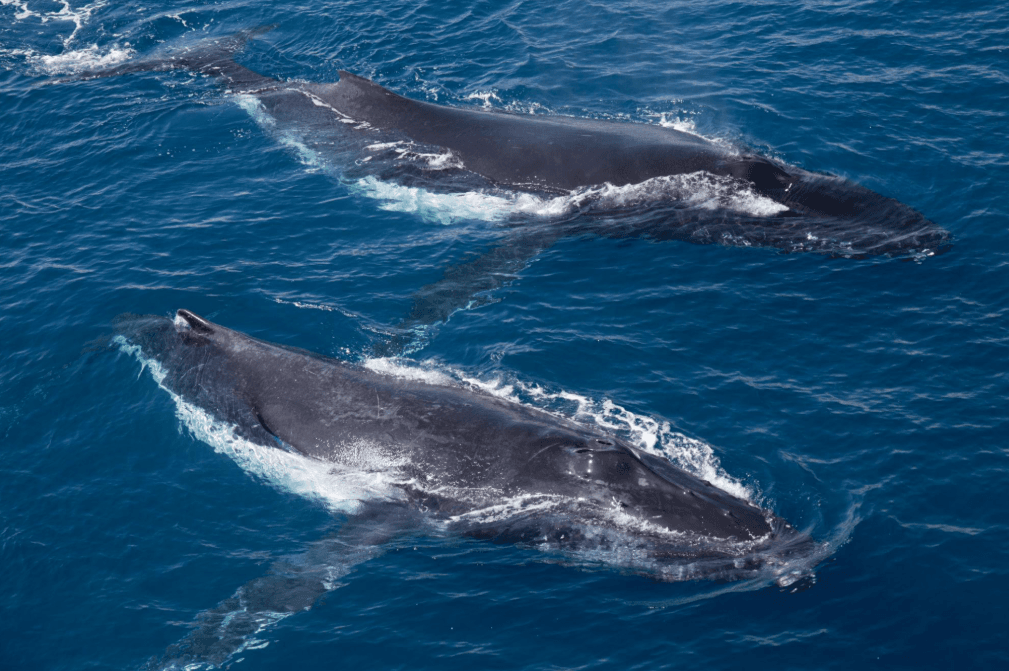
A humpback whale swimming just below the surface may therefore be associated with small waves or disturbed water even when its body remains hidden from view.
However, not every underwater movement produces an obvious ripple pattern. The result depends on several conditions, and the whale may be too deep for its movement to be noticeable from a boat.
For whale watchers in Samaná Bay, ripples are best treated as a possible clue rather than proof of an underwater animal.
Why Do Ripples Spread Across the Surface?
Ripples spread when energy moves through the water. A small disturbance can create waves that travel outward, although the pattern may quickly change as other waves pass through the same area.
When a disturbance occurs near the surface, observers may see a series of rings or irregular lines. These patterns can overlap with existing waves and become difficult to follow.
If a whale has recently surfaced or moved near the waterline, the surrounding water may appear disturbed. Yet similar patterns can form without any whale being present.
The shape of the ripples alone is not a reliable way to identify their source. Observers should consider the wider scene and watch for additional evidence.
What Else Can Cause Ripples During Whale Watching?
The ocean surface is constantly changing, and several natural processes can create patterns that resemble disturbances associated with wildlife.
Wind
Wind transfers energy to the water, creating small waves and textured surface patterns. Even a gentle breeze can make the sea appear uneven and cause ripples to move in different directions.
Passing waves
Waves traveling through the viewing area can intersect and form temporary patches of rough or unusually smooth water. These patterns may appear suddenly and disappear just as quickly.
Currents
Water currents can interact with one another or with changing underwater terrain. These interactions may create visible surface patterns, although the cause cannot always be determined from a boat.
Rain and other surface disturbances
Light rain can produce numerous small rings on the water. Splashing, floating objects, and other disturbances can also change the surface.
Because so many factors affect the sea, a ripple should not automatically be interpreted as evidence of a humpback whale.
How Can You Tell Whether a Whale Might Be Nearby?
The most useful approach is to look for several observations rather than relying on a single patch of disturbed water.
A whale watcher may notice ripples followed by a blow, a visible back, or a dorsal fin. If these features appear together in a consistent area, they can provide stronger evidence of a whale than ripples alone.
However, the absence of these features does not establish that a whale is absent. The animal may remain submerged, move beyond the viewing area, or simply be difficult to see in the prevailing conditions.
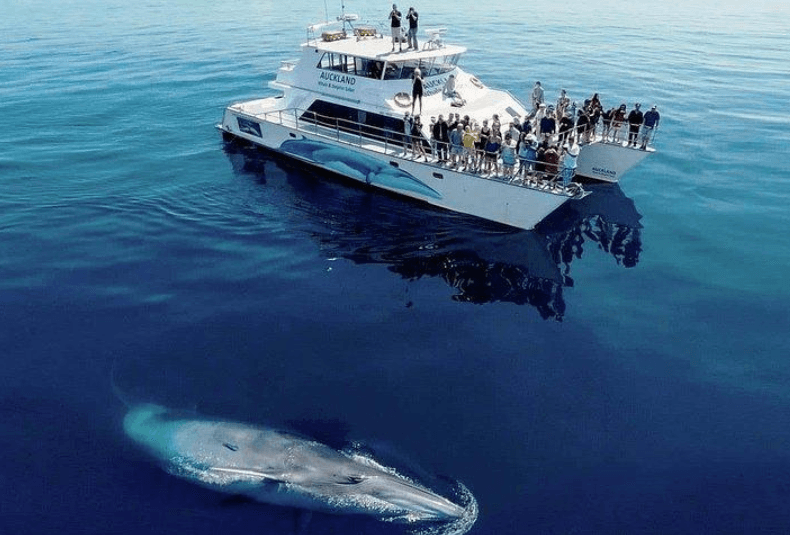
Experienced guides can help passengers interpret what they observe and decide where to direct their attention. Even then, a guide may not be able to determine the exact cause of every surface disturbance.
Patience is important. Watching the area for a little longer can sometimes reveal more information, but a sighting is never guaranteed.
Does Calm Water Make Ripples Easier to Notice?
Often, yes. On relatively calm water, small disturbances can stand out against a smoother background.
When the sea is choppy, larger waves and overlapping patterns can hide smaller ripples. Reflections and glare may also make it difficult to distinguish a genuine disturbance from the surrounding water.
This means the same underwater movement could be more noticeable under one set of conditions than another.
Calm water does not guarantee that a whale will be easier to locate, however. Visibility depends on several factors, including light, viewing distance, the animal's depth, and its movement.
During a whale-watching excursion in Samaná Bay, sea conditions can change throughout the trip, so visitors should be prepared for periods when observing the water is more challenging.
Why Should Whale Watchers Pay Attention to Small Details?
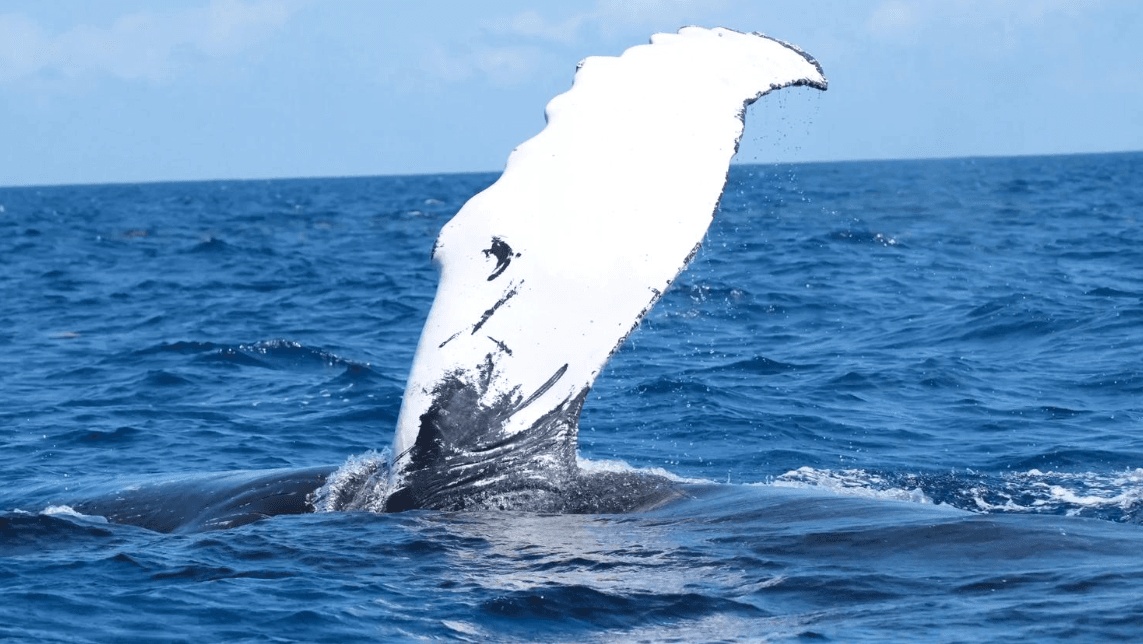
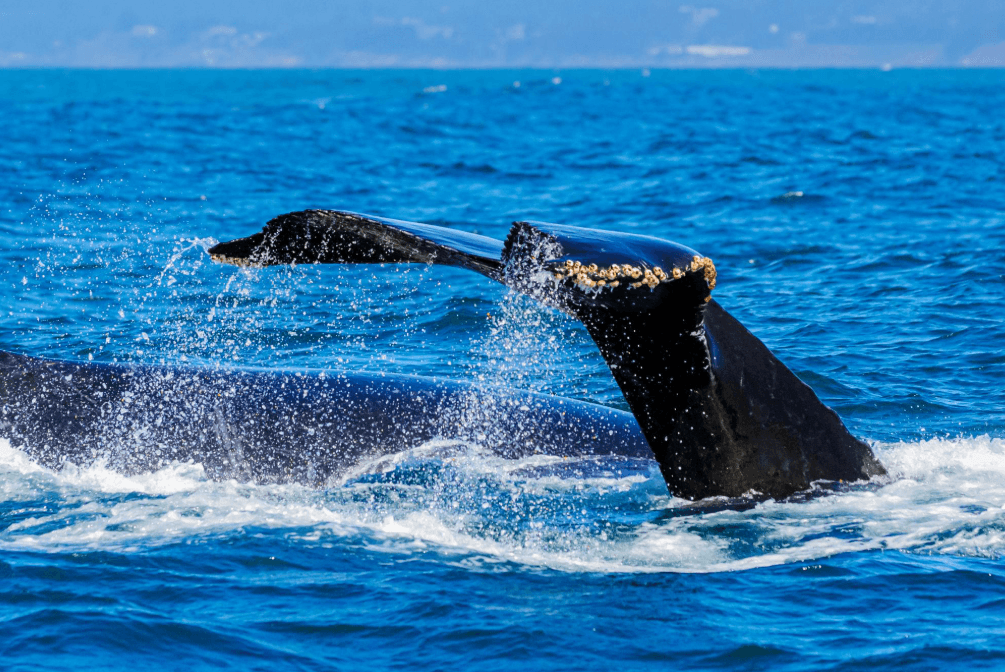
Whale watching is not limited to dramatic breaches, tail flukes, or close views of a whale's body. Careful observation of the ocean can also make the experience more engaging.
Noticing changes in the water encourages visitors to slow down and pay attention to their surroundings. It also offers a chance to learn how wind, waves, light, and marine wildlife interact.
The important distinction is between observing a pattern and deciding what caused it. You can accurately report that ripples appeared in a particular area without claiming that a whale definitely produced them.
This careful approach makes wildlife observation more informative and helps maintain realistic expectations during a tour.
Tips for Observing Surface Disturbances in Samaná Bay
If you notice unusual ripples during your whale-watching trip, try these practical steps:
- Observe the surrounding area: Look for a visible blow, back, or dorsal fin that could provide additional evidence of a whale.
- Watch how the pattern changes: Notice whether the disturbance spreads, disappears, or blends into passing waves.
- Consider the weather: Wind, rain, and reflections can affect the appearance of the water.
- Listen to your guide: Follow the guide's instructions about where to look and how to interpret possible sightings.
- Avoid jumping to conclusions: A surface disturbance may be interesting even when its cause remains uncertain.
- Respect wildlife-viewing rules: Let your operator manage the boat's position and follow applicable guidance for observing whales responsibly.
These habits can help you make better observations without assuming that every ripple signals a hidden animal.
Frequently Asked Questions
Can humpback whales make ripples while swimming underwater?
A whale swimming near the surface can influence the surrounding water and may contribute to visible disturbances. Whether those disturbances can be seen depends on the whale's movement, depth, and the conditions at the surface.
Do circular ripples always mean a whale is nearby?
No. Circular ripples can form from rain, small splashes, and other surface disturbances. Their shape alone cannot confirm the presence of a whale.
Why are ripples harder to see when the sea is rough?
Larger waves and overlapping patterns can obscure small disturbances. Glare and reflections can make the surface even more difficult to interpret.
Should I tell my whale-watching guide when I notice unusual ripples?
Yes. You can point them out, allowing the guide to assess the area. The disturbance may be worth watching, although it may not lead to a whale sighting.
Can I see whales in Samaná Bay without spotting them immediately?
Yes. A whale may remain underwater for a period before becoming visible again. However, surface ripples alone do not establish that a whale is present, and there is no guarantee that it will reappear nearby.
Conclusion
Ripples can add another layer of interest to whale watching in Samaná Bay. A humpback whale moving near the surface may contribute to water disturbances, but wind, waves, rain, currents, and other factors can create similar patterns.
The best way to interpret these signs is to observe the surrounding water, look for additional evidence, and listen to experienced guides. Rather than treating every ripple as a whale sighting, appreciate it as one small part of the constantly changing marine environment.
With patience and careful observation, even quiet moments on the water can deepen your appreciation of the natural world surrounding Samaná Bay.

Local explorer & expert guide in Visita Haitises.