Why Do Humpback Whales Arrive at Samaná Bay at Different Times Each Year?
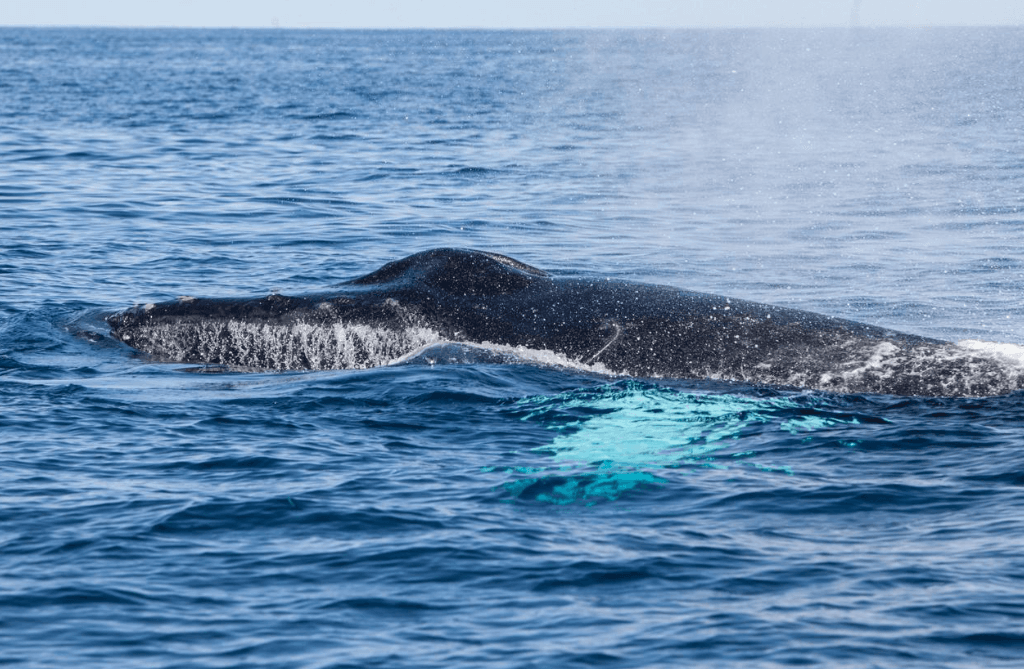
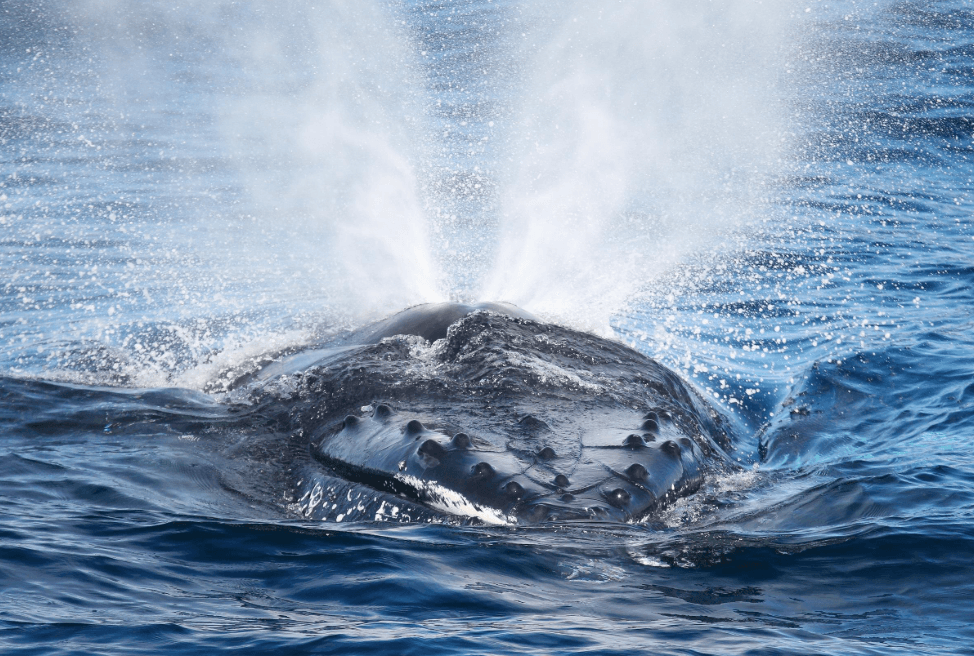
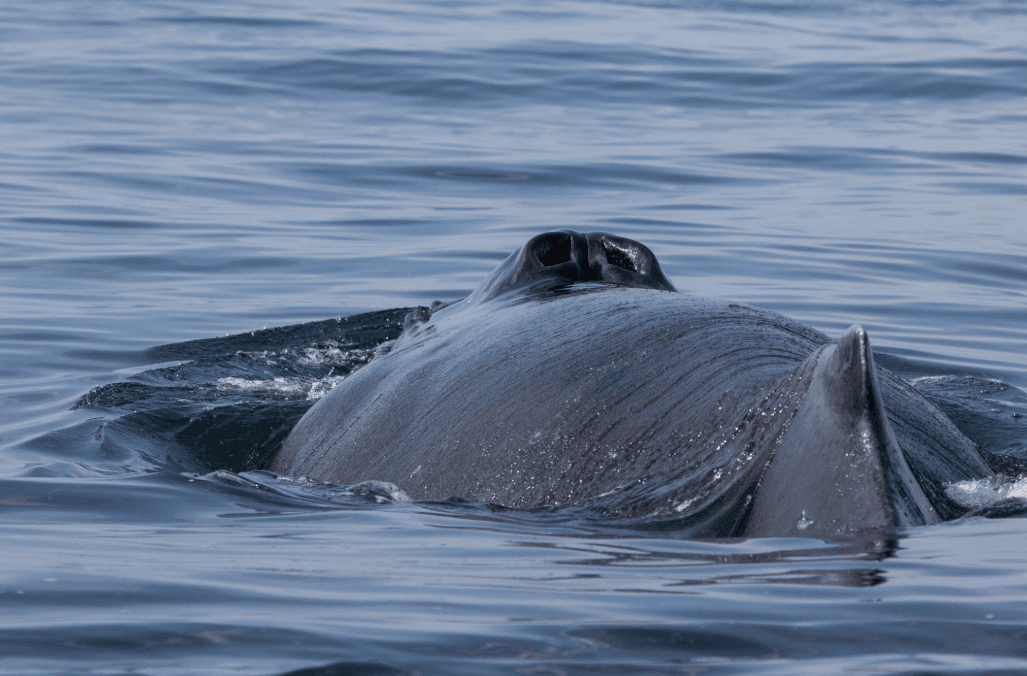
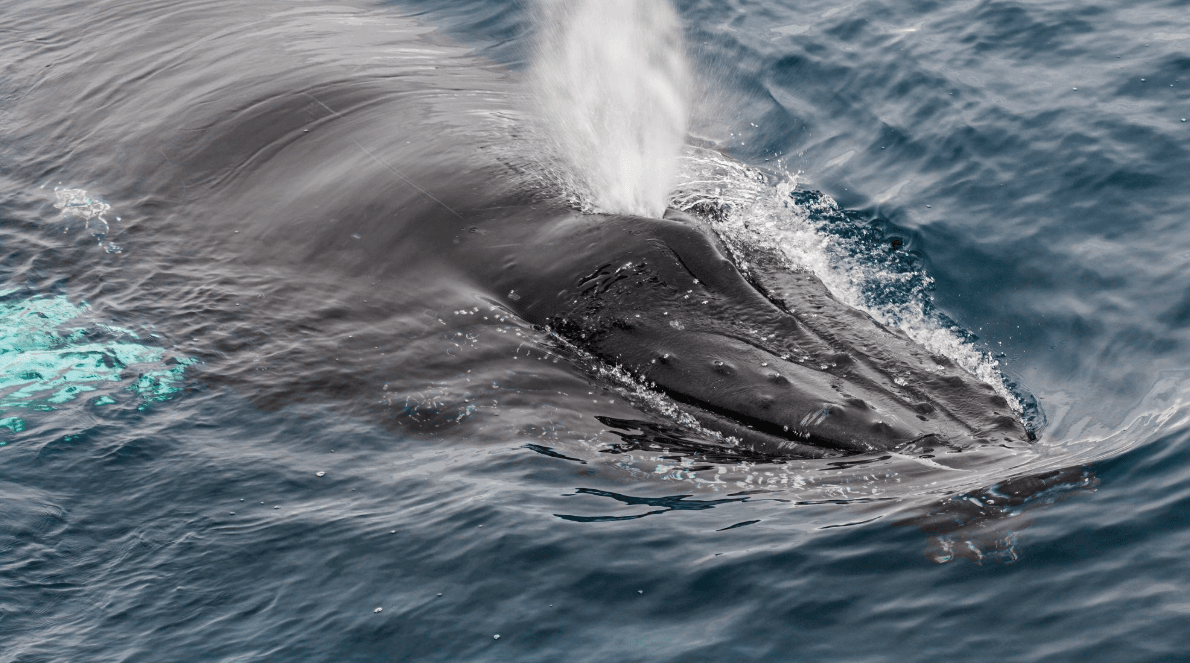
Every year, humpback whales travel to the warm waters of the Dominican Republic during their breeding season. Samaná Bay becomes a popular place to observe these remarkable animals, but their arrival does not happen on one fixed date.
Some whales may be observed early in the season, while others appear later. The number of sightings can also change from week to week, making it difficult to predict exactly when the bay will have the most whale activity.
These differences are a natural part of wildlife observation. Seasonal timing can be influenced by individual movements, reproductive behavior, environmental conditions, and the way researchers collect sightings.
Understanding these factors helps visitors plan their whale-watching trips and helps scientists interpret changes in whale activity over time.
When Do Humpback Whales Arrive in Samaná Bay?
Samaná Bay is a well-known seasonal destination for North Atlantic humpback whales. The main whale-watching period generally falls between January and March, although sightings can occur from January into April.
This is a seasonal pattern rather than a strict timetable.
Not every whale arrives at the same time, and the first recorded sighting does not necessarily indicate when the entire population begins entering the region. Likewise, a quiet day does not mean the seasonal migration has ended.
The timing of individual sightings depends partly on which whales are present, where they are moving, and whether observers can detect them.
For travelers, the main practical lesson is that the broader season is more useful for planning than trying to predict an exact arrival date for a particular whale.
1. Individual Whales Do Not All Follow the Same Schedule
Humpback whales migrate between northern feeding areas and warmer breeding regions. Although these movements follow broad seasonal patterns, individual whales do not necessarily complete their journeys on identical schedules.
Differences in individual movement patterns can contribute to variation in arrival times.
Some whales may be recorded in a breeding region earlier than others, while additional animals may appear as the season progresses. Their movements can also vary between years.
Researchers study these differences by comparing sightings of identified whales across locations and seasons.
It is important not to assume that every whale follows the same route or arrives according to the same calendar. A breeding season represents a period of activity, not a single arrival event involving every animal at once.
2. Reproductive Behavior Can Influence Seasonal Activity
The Caribbean is an important breeding region for North Atlantic humpback whales. During the season, whales may engage in courtship, mating, and activities associated with the care of young calves.
These reproductive activities help explain why the region attracts whales during particular months.
However, researchers cannot determine the exact reason for every individual's arrival simply by observing it in Samaná Bay. Different whales may be in different reproductive stages, and their movements may reflect several interacting factors.
The presence of a mother and calf, for example, provides evidence that the area is being used by a whale pair, but it does not reveal the exact date they entered the region.
Scientists therefore interpret arrival patterns alongside other observations rather than attributing every early or late sighting to a specific reproductive event.
3. Ocean and Weather Conditions Affect What Observers See
Environmental conditions can influence whale movements and the likelihood of detecting whales.
Wind, waves, visibility, and sea state can make whale watching easier or more difficult. On a calm day, observers may notice distant blows and surface movements more readily than on a day with rough water.
Ocean conditions may also affect the movements of whales, although a change in sightings alone cannot establish that the animals have changed their arrival schedule.
For example, fewer sightings during a period of rough weather could mean that observers had difficulty spotting whales. It does not necessarily mean fewer whales were present in the region.
This distinction matters when comparing whale activity between days, weeks, or different seasons.
4. Feeding-Ground Conditions May Be Part of the Bigger Picture
North Atlantic humpback whales spend much of the warmer season feeding in northern waters before migrating toward breeding areas.
Conditions on feeding grounds can affect the wider annual lives of migratory animals. Scientists investigate how food availability, environmental changes, and other ecological factors relate to whale condition and movement.
However, the relationship between feeding conditions and the precise arrival date of an individual whale in Samaná Bay is complex.
Researchers should not assume that a whale arrived late because food was scarce, or early because feeding was especially successful, without supporting evidence.
Instead, they study long-term records and environmental information to determine whether consistent relationships exist.
5. Why the First Sighting Is Not the Same as the First Arrival
One of the most important distinctions in whale research is the difference between an animal arriving and an observer recording it.
Suppose a whale enters the wider region but remains underwater for long periods or travels outside commonly observed areas. Researchers may not record it immediately.
The first confirmed sighting of the season therefore identifies the earliest documented observation, not necessarily the exact date the first whale entered the region.
The same issue applies to later sightings. A whale that appears in a new location may have arrived recently, or it may simply have moved into an area where observers can see it.
Scientists account for these limitations when interpreting seasonal records.
6. How Scientists Monitor Arrival Dates
Researchers can use several methods to study changes in the timing of humpback whale sightings.
Historical sighting records
Researchers compare dated observations from multiple seasons to establish when whales were first recorded and how sightings developed over time.
Photo identification
Distinctive markings on humpback whale tail flukes can help researchers recognize individual animals. Comparing records from different locations may reveal when a known whale was documented in a breeding region.
Standardized surveys
Consistent observation methods make it easier to compare seasons. Researchers consider the number of survey days, the areas covered, and conditions that influence detection.
Environmental information
Researchers may compare sighting records with oceanographic and weather data to investigate possible relationships between environmental conditions and observed timing.
No single method provides a complete explanation. Combining evidence helps scientists distinguish genuine changes in whale behavior from changes in observation effort.
7. Does Climate Change Affect Humpback Whale Arrival Times?
Climate change can influence marine ecosystems, including water temperatures, prey distribution, and conditions in important whale habitats.
Scientists study whether these environmental changes are associated with shifts in the timing and distribution of migratory animals.
For humpback whales visiting Samaná Bay, however, it would be inaccurate to claim that every early or late arrival is caused by climate change.
A single season may differ from the previous one for many reasons. Establishing a long-term trend requires consistent data collected over multiple years, along with careful analysis of other possible influences.
Researchers can then assess whether arrival dates are changing systematically and investigate which environmental factors may be involved.
8. What Arrival Timing Means for Whale-Watching Visitors
Understanding seasonal variation can help travelers plan more realistically.
The broad whale-watching season in Samaná Bay generally runs from January through March, with possible sightings into April. Exact timing and activity vary, and no tour can guarantee a whale sighting.
Visitors should consider the following practical points:
- Plan around the broader season: Avoid relying on one predicted arrival date.
- Check local updates: Tour operators may have recent information about conditions and sightings.
- Allow for changing weather: Sea conditions can affect both tours and visibility.
- Keep expectations realistic: Whale movements and surface behavior are naturally unpredictable.
- Choose responsible operators: Follow instructions and applicable rules designed to protect whales.
A quieter day does not necessarily mean the destination is outside the seasonal period. It may simply reflect the animals' movements and the conditions that day.
9. Why Long-Term Arrival Records Matter
Arrival records become more valuable when researchers collect them consistently over many years.
Long-term data can help scientists investigate whether the seasonal pattern is stable, whether individual whales return at similar times, and whether the distribution of sightings changes.
Researchers must still account for differences in survey effort and observation conditions. A season with more boats or more research days could produce earlier or more frequent sightings without a corresponding change in the whales' actual movements.
Careful analysis helps separate these effects and provides a more reliable understanding of seasonal patterns.
These records can also contribute to broader research on migratory behavior and the importance of Caribbean breeding habitats.
Frequently Asked Questions
What month do humpback whales arrive in Samaná Bay?
Humpback whales are generally observed in Samaná Bay during the winter breeding season, especially from January through March. Sightings may extend into April, and exact timing varies.
Why do some humpback whales arrive earlier than others?
Individual whales do not necessarily follow identical schedules. Their movements may vary with individual circumstances, reproductive activity, and environmental conditions, although the cause of a particular arrival date may be unknown.
Does the first whale sighting mark the beginning of migration?
No. It marks the first documented observation in the relevant records. Whales may have entered the region earlier without being detected.
Can visitors predict the exact day whales will arrive?
No. Seasonal patterns help with general planning, but individual movements and daily sightings cannot be predicted precisely.
Does a late arrival mean the whale population is declining?
Not by itself. Researchers need consistent long-term records and appropriate analysis to determine whether changes in observed timing reflect a meaningful trend.
Can weather affect whale sightings?
Yes. Wind, waves, and visibility can make whales more difficult to detect. Weather-related changes in sightings do not necessarily indicate changes in the number of whales present.
Conclusion
Humpback whales arrive in Samaná Bay according to broad seasonal patterns, but individual movements and daily sightings vary. Reproductive activity, environmental conditions, and differences in observation effort all matter when scientists interpret the timing of whale arrivals.
Historical records, photo identification, standardized surveys, and environmental data help researchers investigate these patterns. They also help distinguish the first recorded sighting from the actual arrival of whales in the region.
For visitors, the most useful approach is to plan around the general whale-watching season while remembering that wildlife does not follow an exact calendar. Every season offers an opportunity to learn about the remarkable movements of North Atlantic humpback whales.

Local explorer & expert guide in Visita Haitises.