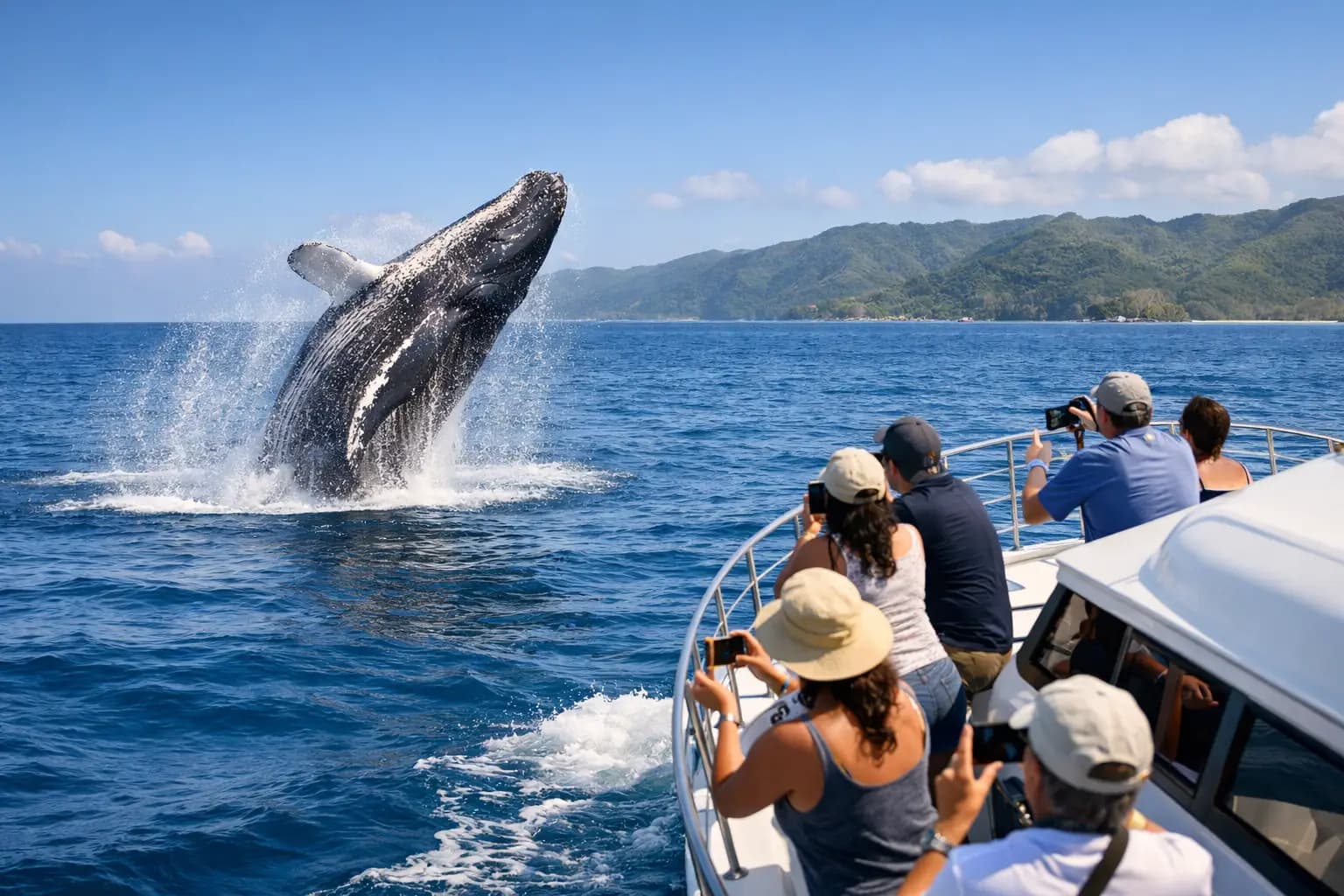
From mid-January to late March, whale watching becomes one of the most requested excursions in the Dominican Republic for a simple reason - it gives travelers a real chance to see humpback whales in their natural habitat without overcomplicating their vacation plans. If you are staying in Punta Cana, Santo Domingo, Puerto Plata, Las Terrenas, Las Galeras, Samaná, or Sabana de la Mar, this is one of the country’s standout seasonal experiences and one that many visitors build a full day around.
Why whale watching is such a popular trip
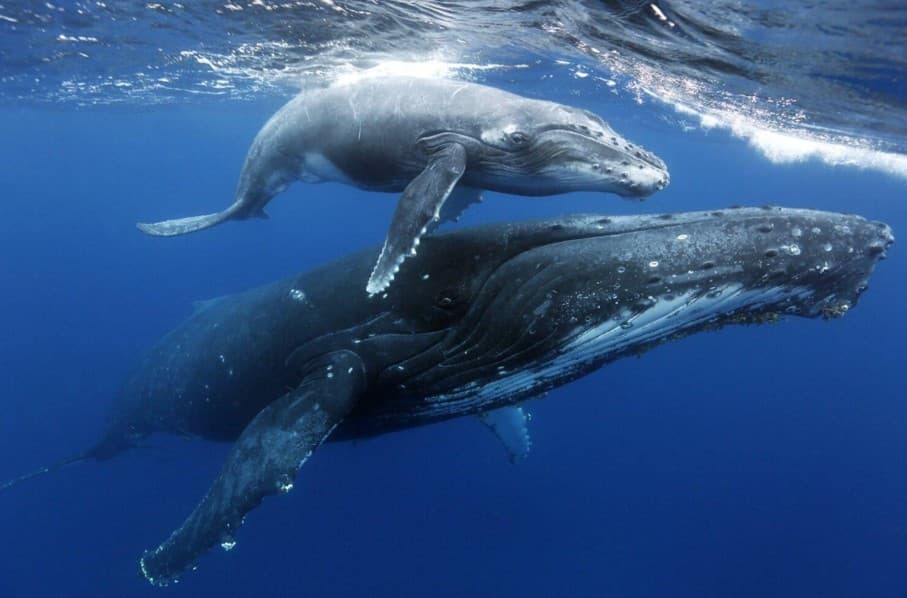
The Dominican Republic is one of the best places in the Caribbean to see humpback whales during migration season. Every year, thousands of whales move through the warm waters near Samaná Bay and the nearby offshore bank to mate, give birth, and nurse calves. That seasonal concentration is what makes this excursion different from general boat tours where wildlife sightings can feel uncertain.
For travelers, the appeal is practical as much as emotional. You are not just booking a boat ride. You are booking a time-sensitive, destination-specific experience that is only available during part of the year. That makes it a high-value excursion for visitors who want to do something memorable beyond beaches, resorts, and standard day trips.
It also works well for different types of travelers. Couples like it because it feels special without being overly demanding. Families often choose it because kids can enjoy the boat ride and the possibility of seeing whales surface, breach, or slap the water with their fins. Friend groups and solo travelers like it because it is a social, organized outing with clear logistics.
Best time for whale watching in Samaná
If your trip falls outside whale season, this is not the excursion to force into your plan. Timing matters. In the Dominican Republic, whale watching is generally best from mid-January through March, with February often considered one of the strongest months for sightings.
That said, wildlife is never a guaranteed performance. Some days are calmer, some days are more active, and weather and sea conditions can affect visibility and comfort on the boat. Travelers who expect a controlled theme-park experience may be disappointed. Travelers who understand they are going out to observe wild animals in a natural setting usually come back very satisfied.
Morning departures are often preferred because sea conditions can be smoother earlier in the day, although exact schedules depend on your departure area and the tour setup. If you are staying far from Samaná Bay, transport time should be part of your planning. A lower headline price is not always the best deal if it creates a long, tiring day with complicated transfers.
Where whale watching tours usually depart from
Samaná is the best-known hub for this experience, but not every traveler stays there. That is why departure location matters almost as much as the tour itself.
Travelers based in Samaná, Las Terrenas, Las Galeras, and Sabana de la Mar are generally closer to the whale watching zone, which can make the day easier and reduce transfer time. For visitors staying in Punta Cana, Santo Domingo, or Puerto Plata, organized excursions can still make the experience accessible, but the day will usually be longer and more structured.
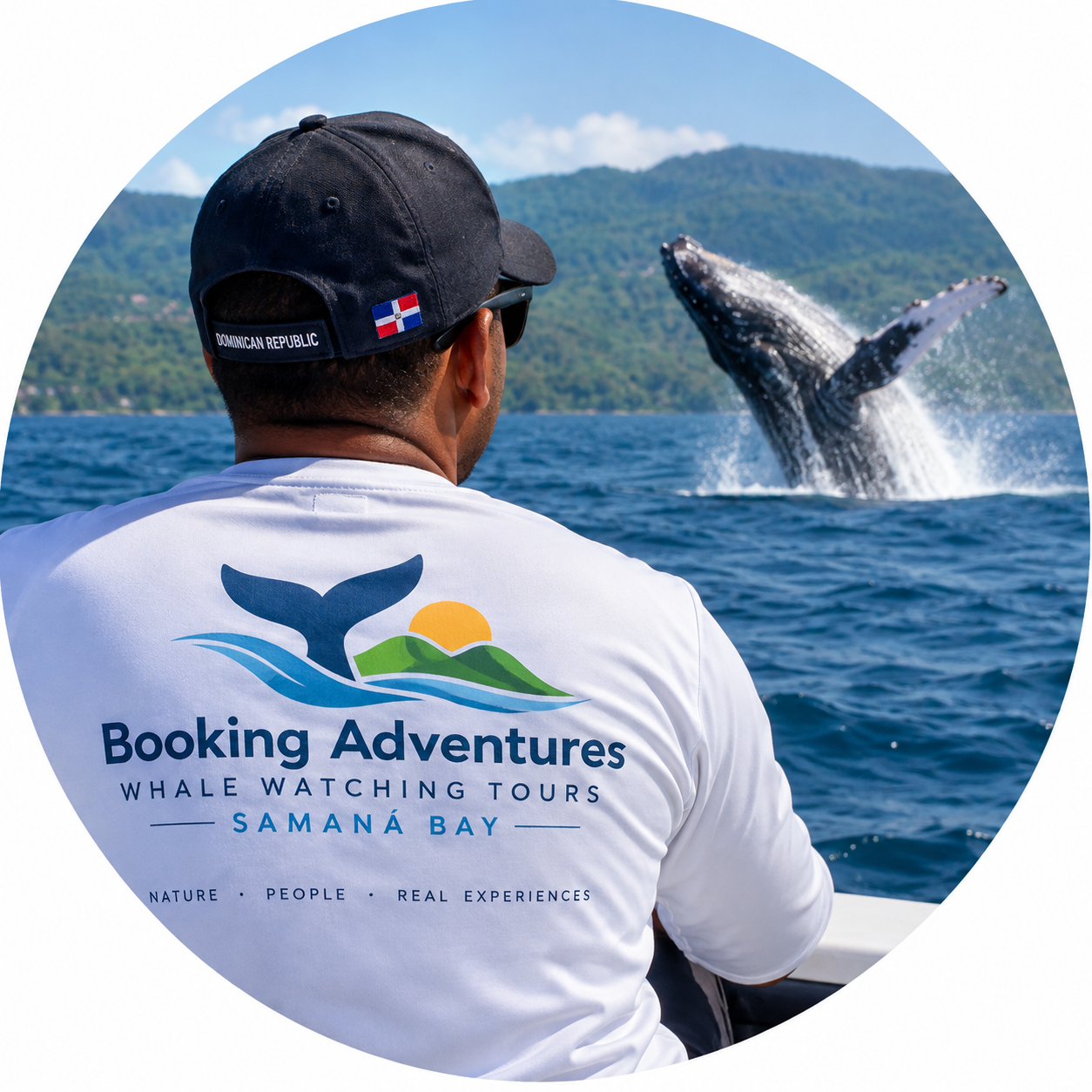
This is where booking through a Dominican Republic-focused excursions platform makes practical sense. Instead of trying to piece together transportation, dock departure, and timing on your own, you can compare available options by area and choose what fits your vacation schedule best. Booking Adventures helps travelers do exactly that across the country’s main tourism hubs, with a strong focus on simple booking and competitive prices.
What to expect on a whale watching excursion
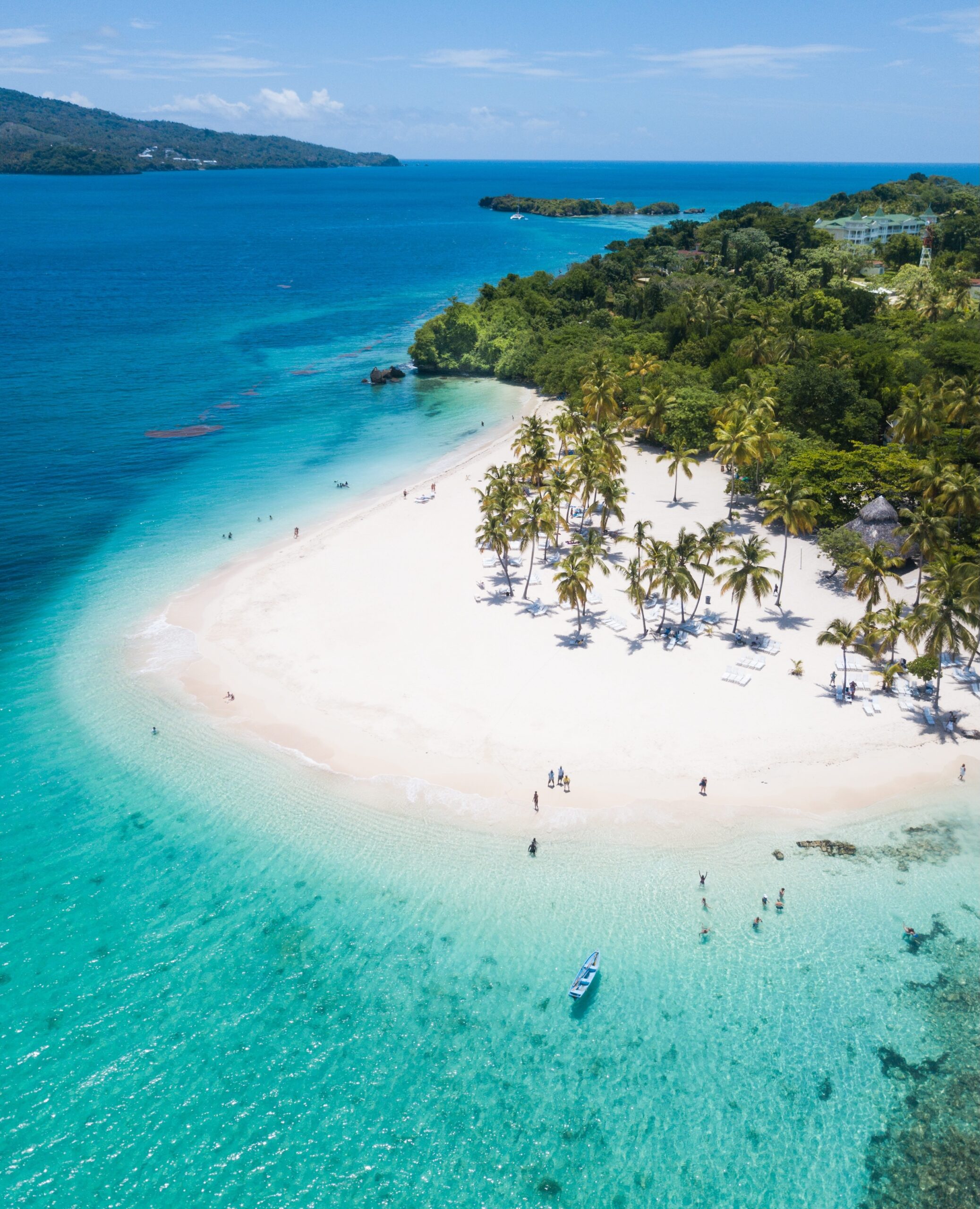
Most whale watching tours in the Dominican Republic are straightforward. You typically begin with hotel pickup or a meeting point, continue to the departure dock, and then board a boat with other travelers heading into the observation area. Some excursions are focused almost entirely on whale watching, while others combine the boat trip with lunch, a stop at Cayo Levantado, or time in Samaná.
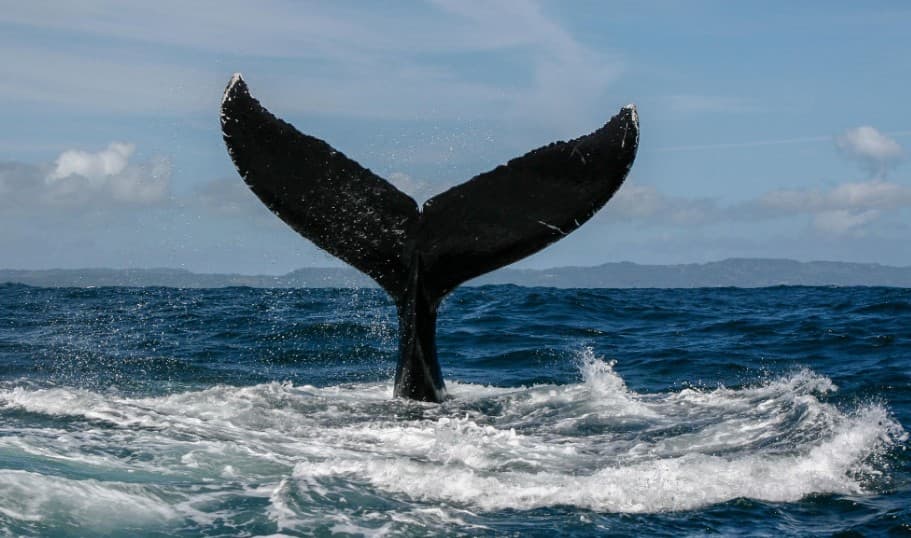
The boat portion is the centerpiece. Once you reach the observation zone, the captain and crew look for movement on the surface, spouts in the distance, tail slaps, or breaching activity. On active days, you may see multiple whales, including mothers with calves. On quieter days, sightings may be more spread out and require patience.
This is one of the trade-offs worth understanding before you book. A combo tour can offer more value if you want a full-day excursion with several stops. A whale-focused trip may be better if your main goal is to maximize time on the water. Neither is automatically better. It depends on whether you want a broader sightseeing day or a more wildlife-centered outing.
Whale watching with kids, couples, and groups
Not every excursion works equally well for every traveler, but whale watching is one of the more flexible choices.
For families, the main question is usually boat comfort and travel time. A family staying close to Samaná may find this excursion easy and rewarding. A family coming from farther away, especially with very young children, should think carefully about the total day length. Long road transfers plus boat time can be tiring, even when the experience itself is excellent.
For couples, this trip is often one of the best seasonal add-ons to a beach vacation. It feels unique, and it gives you a break from resort routines without requiring advanced physical ability. For groups of friends, it is a good choice because it is organized, scenic, and memorable without needing a high activity level like ziplining or ATV riding.
Independent travelers also tend to like it because the structure removes guesswork. You do not need to know the region well or negotiate local transport step by step. You simply choose the departure point that fits your stay.
What to bring for whale watching
Packing for this excursion is simple, but a few smart choices make the day better. Light clothing, sunglasses, sunscreen, and a hat are the basics. A camera or phone with good zoom helps, but do not expect every whale moment to happen right next to the boat.
If you get motion sickness, bring medication or prepare in advance. This is one of the biggest practical issues travelers underestimate. Calm photos online can make the sea look easier than it feels in real life. Conditions can change, and some travelers are more sensitive on boats than they expect.
You should also bring water and keep expectations realistic about perfect pictures. Whale watching is usually better as a lived experience than a photo-first excursion. The best moments often happen quickly.
Choosing the right whale watching tour
When comparing options, do not look at price alone. Look at departure location, total duration, what is included, whether transportation is provided, and whether the itinerary is whale-focused or combined with other stops. A cheaper tour from a distant area may cost you more energy than it saves you in money.
It is also worth checking how the day fits into the rest of your trip. If you already have long excursions planned, choose a whale watching option that does not turn your vacation into a series of exhausting transit days. If you are staying near the Samaná area, take advantage of that. Proximity usually means a smoother experience.
Travelers who want simple planning should prioritize convenience. An organized tour with clear pickup details, transparent inclusions, and a known departure area usually beats trying to improvise in a destination you do not know well. That is especially true during whale season, when demand is high and availability can change.
Why this excursion stands out in the Dominican Republic
The Dominican Republic has no shortage of tours, from catamaran trips to island visits and inland adventures. Whale watching stands out because it is seasonal, location-specific, and hard to replace with anything else on your itinerary. You can do beach days almost anywhere in the Caribbean. Seeing humpback whales in Samaná is much more distinct.
It also gives travelers a reason to connect with another side of the country. Many visitors know Punta Cana best, but whale season puts Samaná and the surrounding departure areas on the map in a very practical way. If you want one excursion that feels tied to the Dominican Republic itself rather than just a generic tropical outing, this is a strong choice.
If your vacation lines up with the season, whale watching is the kind of trip worth booking early and planning around. The right departure point, realistic expectations, and a well-organized tour make all the difference - and when the whales show up, the day tends to justify itself very quickly.

Local explorer & expert guide in Visita Haitises.