Samaná Whale Watching: Complete Guide to Humpback Whales
Samaná whale watching is one of the most spectacular wildlife experiences in the Dominican Republic. Every year, humpback whales travel to the warm waters of Samaná Bay during their seasonal migration, creating an extraordinary opportunity to see these enormous marine mammals in their natural environment.
If you are planning a trip to the Dominican Republic and want to experience whale watching in Samaná, this guide explains the whale season, where tours depart, what you can see, what to bring and how to plan your excursion.
When Is Whale Watching Season in Samaná?
The main Samaná whale watching season takes place from approximately January through March, when humpback whales gather in the waters of Samaná Bay.
During this seasonal period, whales come to the region for important parts of their reproductive cycle. Visitors may have opportunities to see adults, mothers with calves and different natural behaviors.
Because humpback whales are wild animals, sightings and behaviors can never be guaranteed. Every trip is a unique wildlife experience.
Where Is Samaná Whale Watching?
Whale watching takes place in Samaná Bay, on the northeastern coast of the Dominican Republic.
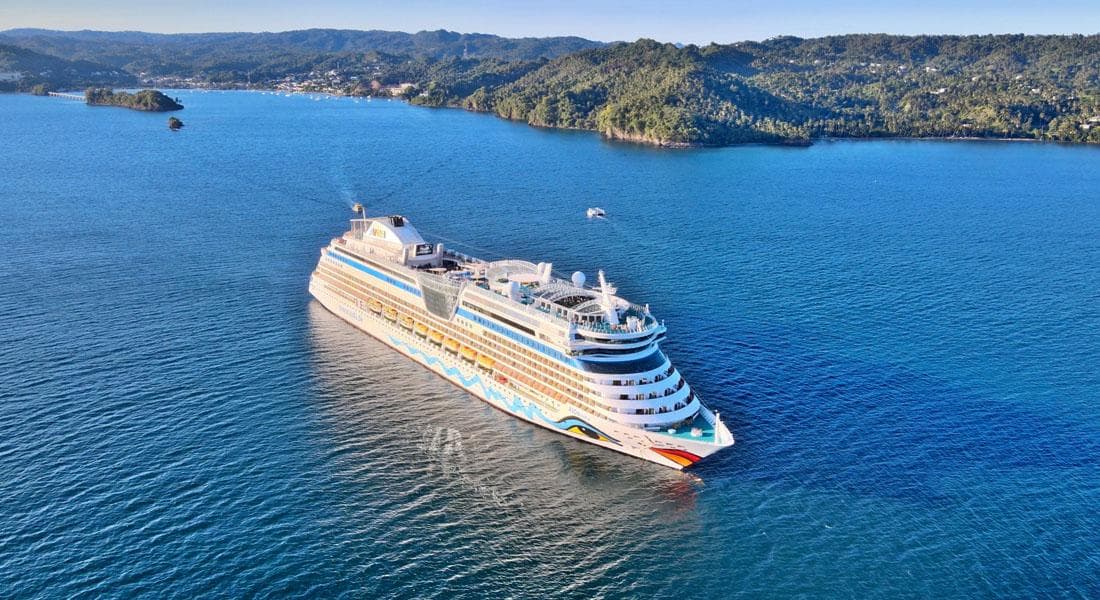
The bay is surrounded by spectacular tropical scenery, mountains, beaches and islands. Its protected waters provide an important seasonal environment for humpback whales.
Many whale watching excursions depart from Samaná, while travelers staying in other parts of the Dominican Republic can arrange transportation to the area.
What Can You See During a Whale Watching Tour?
A Samaná whale watching excursion may provide opportunities to observe:
- Humpback whales
- Mothers with calves
- Whales surfacing
- Whale tails and flukes
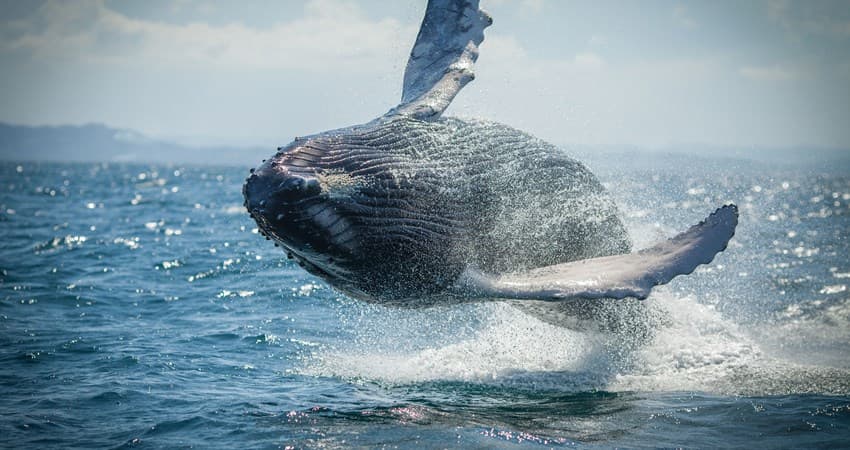
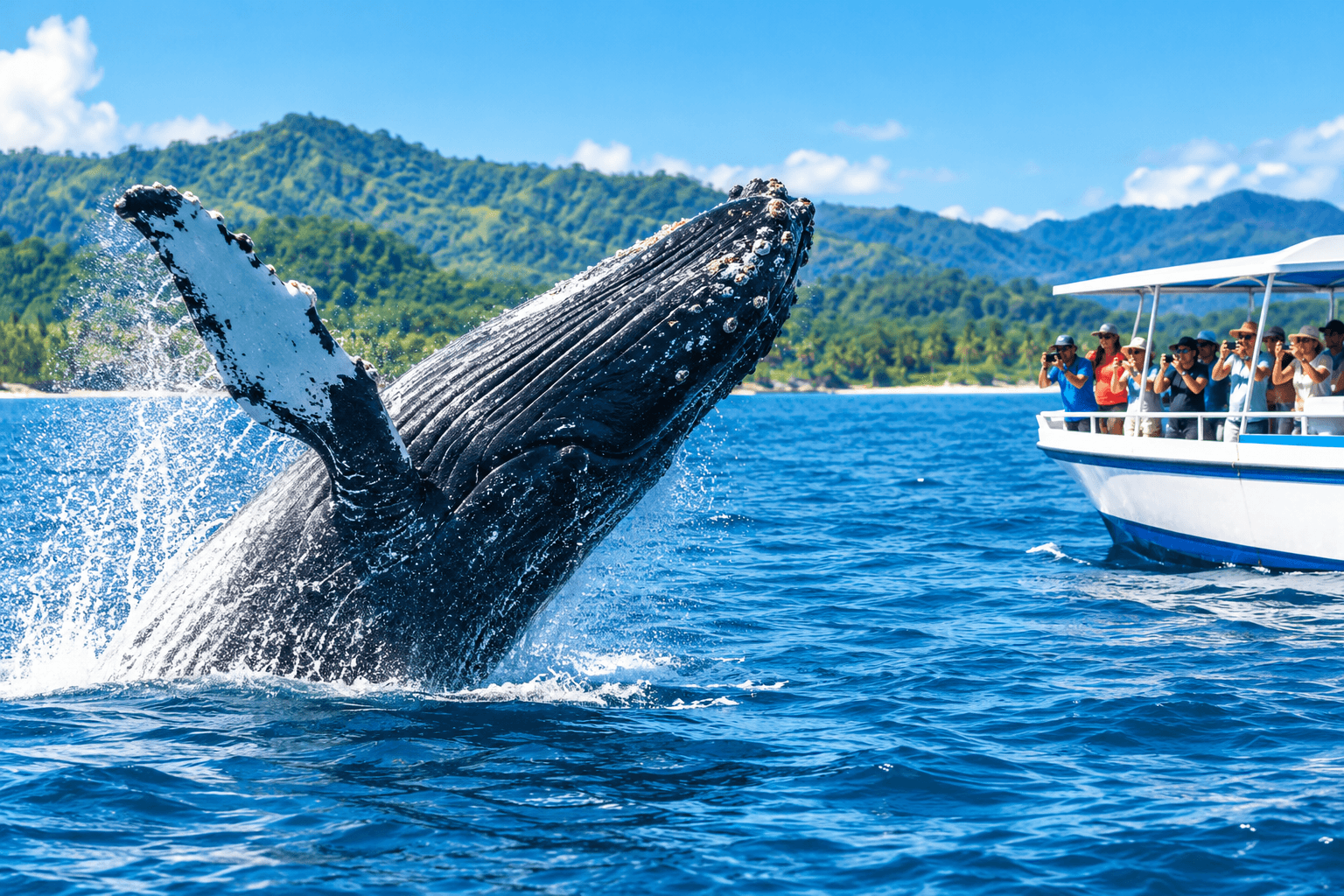
- Breaching whales
- Groups of whales
- Other marine wildlife
The most exciting moments are often unpredictable. A whale may surface beside the boat, display its tail or suddenly breach from the water.
How Long Is a Samaná Whale Watching Tour?
Most whale watching experiences take several hours, depending on the departure location, sea conditions and the time required to reach areas where whales are active.
Tours may include transportation, boat travel, wildlife observation and time to enjoy the scenery of Samaná Bay.
Private excursions can provide additional flexibility for families, couples and groups.
Best Time to Go Whale Watching in Samaná
January, February and March are the main months for whale watching in Samaná.
The exact number of whales and their behavior can vary from day to day because wildlife conditions are naturally unpredictable.
For travelers specifically interested in humpback whales, planning a visit during the official seasonal period is essential.
Samaná Whale Sanctuary
The waters of Samaná Bay include an important protected marine area associated with humpback whale conservation.
The Whale Sanctuary of Samaná Bay plays an important role in protecting the seasonal habitat used by humpback whales.
Responsible tourism helps visitors enjoy these animals while supporting awareness of marine conservation.
What Should You Bring?
For a comfortable whale watching trip, consider bringing:
- Sunscreen
- Sunglasses
- Hat
- Light clothing
- Comfortable shoes
- Camera or smartphone
- Waterproof bag
- Water
- Light jacket or rain protection
Conditions on the water can change, so it is useful to protect electronics and personal belongings from spray.
Is Samaná Whale Watching Good for Families?
Yes. Whale watching can be an exciting experience for families, children and travelers of different ages.
Children often enjoy seeing whales surface, splash and swim close to the boat. Parents should consider sea conditions and the duration of the excursion when choosing the most appropriate tour.
Private tours can be especially useful for families who want a more flexible experience.
Whale Watching and Cayo Levantado
One popular way to experience Samaná Bay is to combine whale watching with Cayo Levantado.
After searching for humpback whales, travelers can visit the island, enjoy the beach and experience the tropical scenery of Samaná Bay.
This combination makes it possible to enjoy both marine wildlife and one of Samaná's most famous island destinations in the same trip.
Whale Watching and Los Haitises
Travelers interested in nature can also combine a Samaná visit with Los Haitises.
Los Haitises is known for mangrove forests, limestone formations, caves and ancient Taíno artwork. Combining whale watching with a Los Haitises excursion creates a broader Dominican Republic nature experience.
Responsible Whale Watching
Humpback whales are wild animals and should always be observed respectfully.
Responsible whale watching means following local regulations and guidance, maintaining appropriate distances and avoiding actions that could disturb the animals.
The goal is to enjoy the experience while helping protect the marine environment for future generations.
How to Book a Samaná Whale Watching Tour
When choosing a Samaná whale watching tour, consider:
- Departure location
- Tour duration
- Group or private experience
- Transportation options
- Boat type
- What's included
- Cancellation policy
- Safety procedures
- Responsible wildlife practices
Choose an operator that clearly explains the itinerary and provides reliable information before your trip.
Plan Your Samaná Whale Watching Adventure
Samaná whale watching offers an unforgettable opportunity to experience humpback whales in one of the Dominican Republic's most spectacular natural environments.
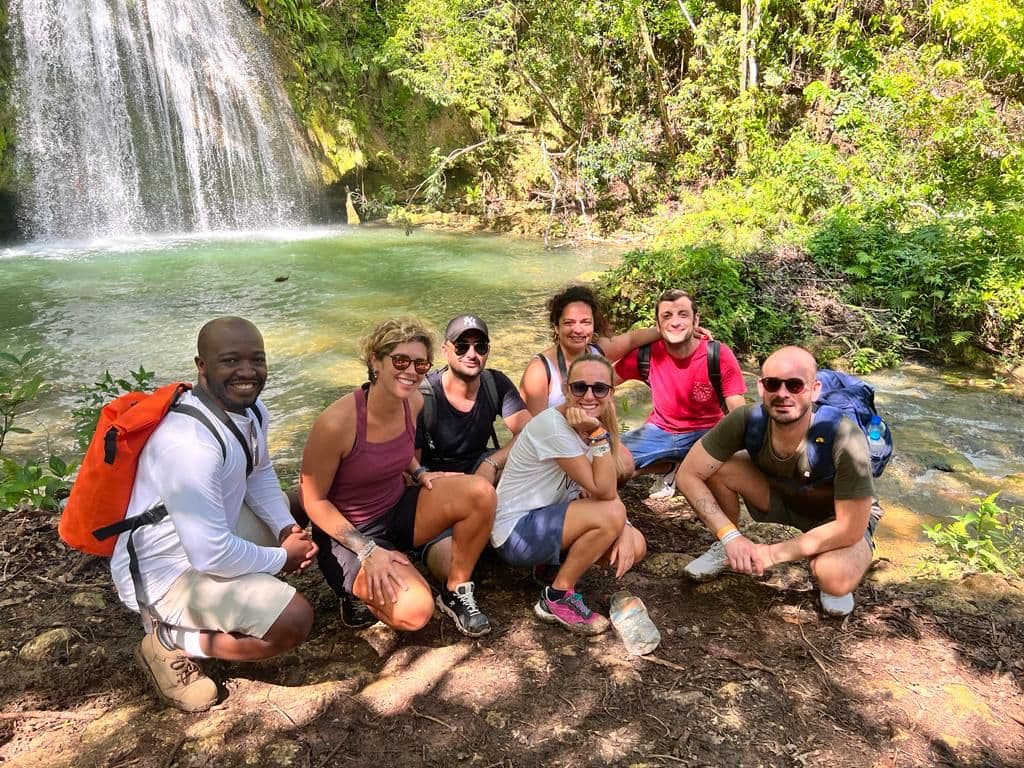
During the whale season, explore Samaná Bay, discover humpback whales, enjoy the tropical scenery and combine your excursion with destinations such as Cayo Levantado, Los Haitises and El Limón Waterfall.
Explore the best Samaná whale watching tours and start planning your Dominican Republic wildlife adventure.
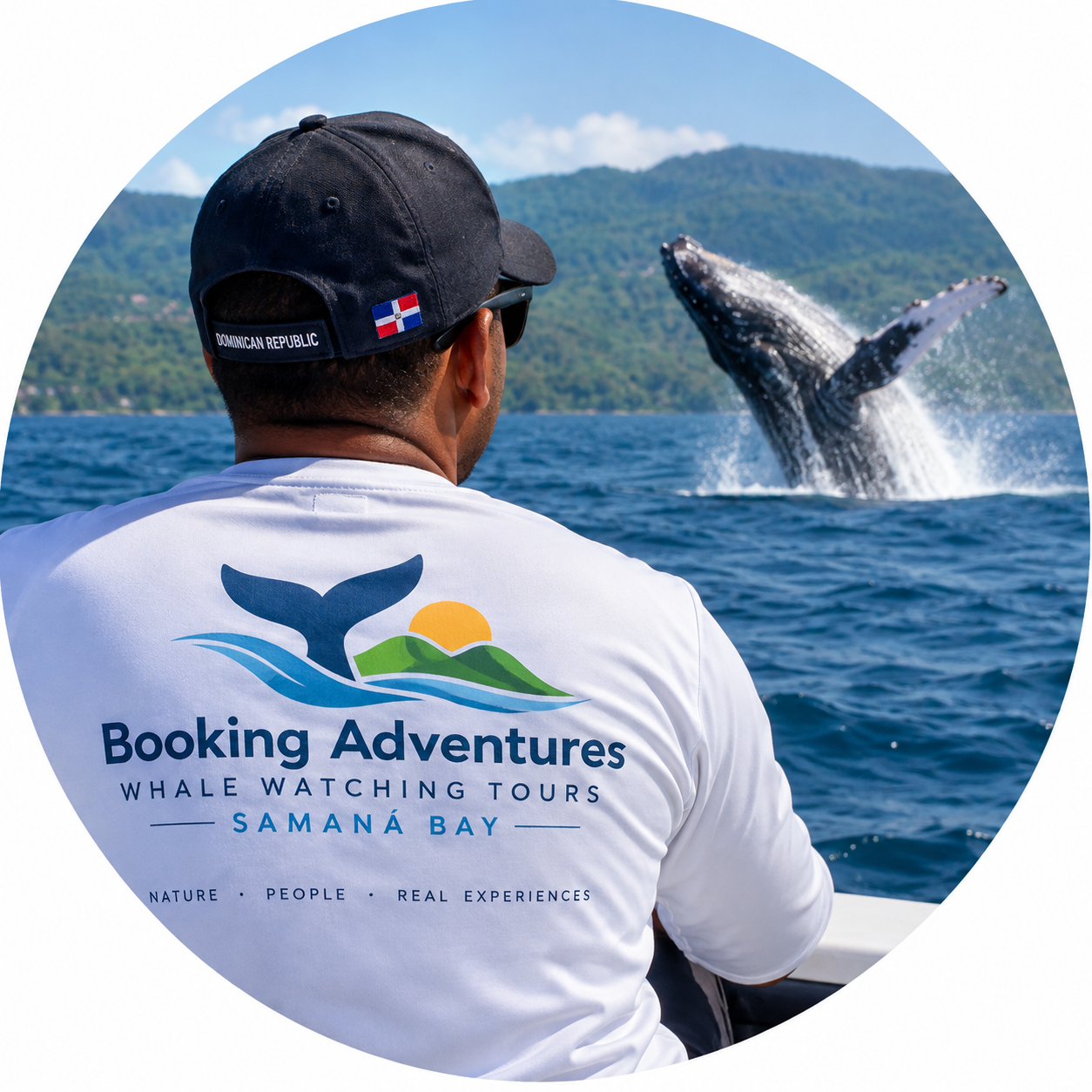
Local explorer & expert guide in Visita Haitises.