How to Watch Whales Responsibly in Samaná Bay: A Visitor's Guide
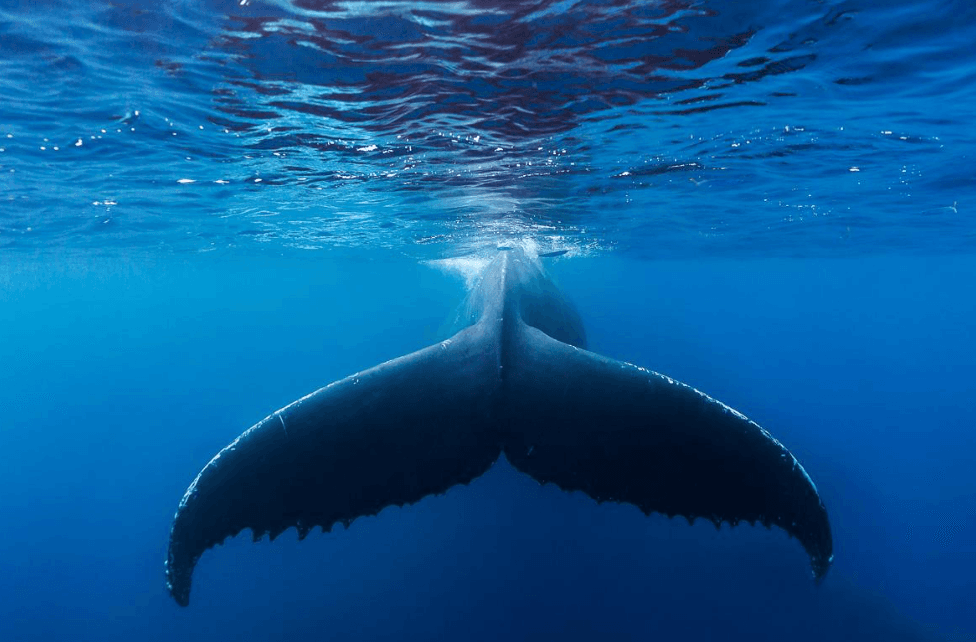
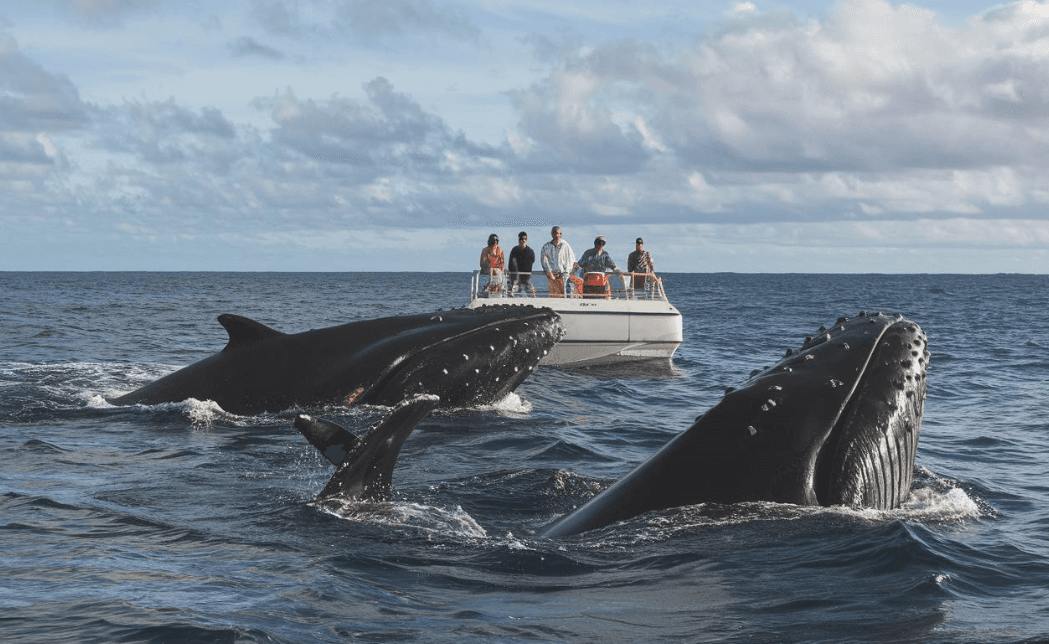
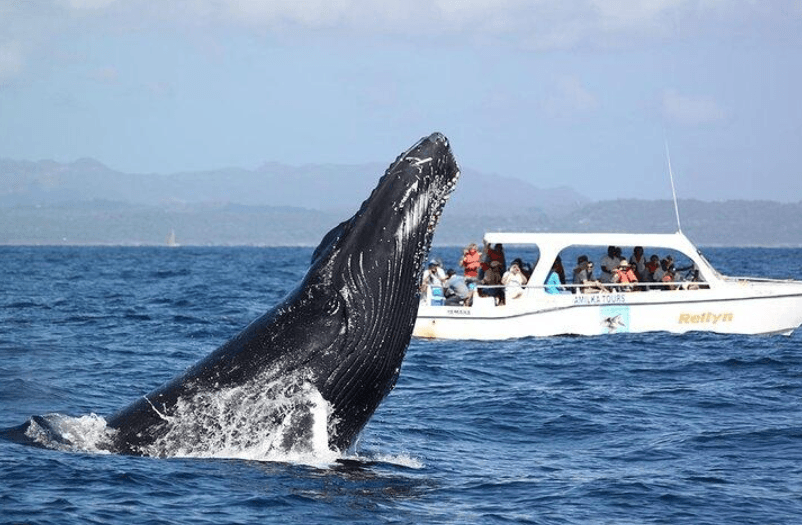
Whale watching in Samaná Bay, Dominican Republic, offers visitors an opportunity to observe North Atlantic humpback whales in their natural marine environment. During the seasonal gathering, travelers may see whales surfacing, diving, raising their tails, or swimming near their calves.
These encounters can be unforgettable, but responsible whale watching is about more than getting a close view or capturing an impressive photograph. It means respecting wildlife, following the captain's instructions, choosing a responsible tour operator, and understanding that the whales' welfare must come before a visitor's expectations.
Whether you are planning your first whale-watching excursion or returning to Samaná, a few simple practices can help make your experience safer and more respectful of marine life.
Why Responsible Whale Watching Matters
Humpback whales are large, powerful marine mammals that migrate between feeding areas and warmer breeding and calving waters. Samaná Bay is an important destination for observing these whales during their seasonal presence in Dominican Republic waters.
Whales need space to move, surface, dive, rest, and interact with other whales. Boat traffic and poorly managed wildlife encounters can create disturbances, particularly when vessels approach too closely, surround animals, or interfere with their movements.
Responsible whale watching helps reduce unnecessary disturbance and encourages visitors to appreciate wildlife without attempting to control what happens during an encounter.
It also supports a better tourism experience. Instead of measuring a trip by how close a boat gets to a whale, travelers can focus on observing natural behavior, learning about marine life, and supporting operators who prioritize wildlife protection.
1. Choose a Responsible Whale-Watching Operator
Your choice of tour operator can influence the quality and responsibility of your whale-watching experience.
Before booking, look for clear information about the company's operating practices, safety procedures, and approach to wildlife viewing. Ask whether its boats and guides comply with applicable Dominican Republic regulations and any relevant protected-area requirements.
Useful questions include:
- Does the operator follow current whale-watching distance and approach rules?
- How does the captain respond when whales change direction or move away?
- Are guides trained to explain whale behavior and wildlife etiquette?
- What safety equipment and passenger instructions are provided?
- Does the company discourage touching, feeding, chasing, or provoking wildlife?
Do not assume that a tour is responsible simply because it advertises itself as an eco-tour or wildlife experience. Look for specific, verifiable practices rather than relying only on marketing language.
If you cannot confirm an operator's credentials or procedures, ask for clarification before making a reservation.
2. Respect the Whales' Space
One of the most important principles of responsible whale watching is maintaining the legally required distance and following the appropriate approach rules.
Whales are wild animals, not performers. They may surface unexpectedly, change direction, dive, or disappear for an extended period. A responsible boat operator should allow the animals to move naturally rather than pursue them to maintain a close encounter.
Never encourage a captain to approach a whale more closely just to improve your photographs. Do not ask the crew to chase a whale that has moved away or maneuver in a way that surrounds an animal.
The appropriate distance and permitted vessel behavior depend on current local regulations and the circumstances of the encounter. Follow the captain's instructions and any applicable rules rather than relying on a distance quoted in an old travel article.
Remember that a distant whale behaving naturally can provide a more meaningful wildlife encounter than a close approach that causes unnecessary disturbance.
3. Never Try to Touch, Feed, or Provoke a Whale
Whales should be observed without direct interference.
Never attempt to touch a whale from a boat, throw food into the water, or encourage the animal to approach by making disturbances. Do not shout at wildlife or ask a guide to provoke a response for entertainment.
Feeding wildlife can alter natural behavior, while attempts to attract or provoke animals may create risks for both whales and people.
Even if a whale approaches a vessel unexpectedly, passengers should remain in their designated positions and follow the captain's instructions. A spontaneous encounter is not permission to touch the animal or disregard wildlife-viewing rules.
The best approach is simple: observe, appreciate, and allow the whale to decide where it travels.
4. Keep Noise and Sudden Movements Under Control
Excitement is natural when a whale appears near the boat. However, passengers should avoid unnecessary shouting, rushing toward one side, or making sudden movements that could compromise safety.
Follow the crew's instructions about where to stand or sit. Keep walkways clear, hold on when necessary, and avoid leaning over the side to get a better view.
There is no need to remain completely silent throughout every trip, but considerate behavior helps maintain a calm and safe environment for everyone aboard.
If the guide is explaining a behavior or giving a safety instruction, listen carefully. A few moments of attention may help you understand the encounter more fully.
5. Photograph Whales Without Disturbing Them
Photography is a popular part of whale watching, but a photograph should never take priority over wildlife welfare or passenger safety.
Use your camera's zoom when possible instead of asking the boat to move closer. Keep your equipment secure, and follow the crew's guidance when whales surface nearby.
For better photographs, consider these practical tips:
- Use a fast shutter speed when photographing sudden movements.
- Keep your camera ready rather than making hurried movements when a whale appears.
- Capture the broader scene as well as close details.
- Avoid standing in unsafe positions to improve your angle.
- Never use a flash or other equipment in a way that violates operator guidance or applicable wildlife rules.
- Do not pressure the captain to pursue a whale for a photograph.
You may not capture a breach or tail display on every trip. That is part of observing wild animals. A photograph of a whale surfacing naturally can be valuable without requiring a dramatic performance.
6. Understand That Whale Behavior Cannot Be Guaranteed
Wildlife does not follow a fixed itinerary.
During a whale-watching trip in Samaná Bay, you might observe a whale's back and blow, see a tail fluke before a dive, or witness a more dramatic surface movement. You may also spend time searching the water without seeing the behavior you hoped for.
Responsible operators should not promise specific performances from wild animals. No one can guarantee that a whale will breach, slap its tail, or swim near the boat on demand.
Try to approach the excursion with curiosity rather than a checklist of behaviors you expect to see.
Pay attention to the overall environment, the guide's explanations, and the different ways whales move through the water. This mindset makes the experience more rewarding and reduces pressure to pursue animals unnecessarily.
7. Follow the Captain's Safety Instructions
Responsible wildlife tourism also requires passengers to protect themselves and others.
Listen to the safety briefing before departure. Learn where to sit, how to move around the boat, and what to do if the sea becomes rough or the captain asks passengers to change position.
Keep children supervised and away from unsafe areas. Secure phones, cameras, hats, and other loose belongings so they do not fall into the water.
Never stand on railings, climb onto restricted areas, or lean dangerously over the boat to photograph a whale.
If the captain changes course, slows down, or moves away from a group of whales, follow the crew's instructions. The decision may be necessary for safety, wildlife protection, or compliance with local rules.
8. Be Particularly Respectful Around Mothers and Calves
Humpback whale mothers and calves can be among the most memorable animals to observe during the season.
A calf may surface near its mother, swim alongside her, or display movements that attract a visitor's attention. These moments can be fascinating, but they should not be treated as an invitation to get closer.
Mother-calf encounters require careful, responsible viewing. Boats should follow the applicable rules and avoid interfering with the animals' movement.
Do not encourage the captain to approach a calf for a better photograph or assume that a calm-looking whale is comfortable with a vessel nearby.
The appropriate response is to follow the guide's instructions and observe without interference. Responsible viewing gives the animals space to continue their natural activities.
9. Help Protect the Marine Environment Beyond the Boat
Responsible whale watching extends beyond the moment you see a whale.
Visitors can help protect the marine environment by keeping rubbish out of the water, securing belongings, and taking personal waste back to shore for proper disposal.
Avoid leaving plastic packaging, food wrappers, cigarette butts, or other rubbish on the boat or at coastal locations. Never throw waste into the sea.
When spending time in Samaná, choose tourism businesses that demonstrate good environmental practices where possible. Support local businesses that treat wildlife and the surrounding environment respectfully.
You can also share accurate information about whale conservation and responsible wildlife tourism with friends and fellow travelers. Avoid posting misleading claims about guaranteed sightings or encouraging people to approach wild animals.
Small actions contribute to a broader culture of respect for the marine environment.
10. Know What to Do if You Observe a Concerning Situation
If you believe a whale is being harassed, a vessel is violating wildlife rules, or an animal is in distress, do not attempt to intervene yourself.
Tell the captain or guide what you observed and follow their directions. If appropriate, seek guidance from the relevant local environmental or wildlife authority.
When documenting a concern, record only details you can safely and accurately observe, such as the approximate time, location, vessel description, and nature of the incident. Do not put yourself or others at risk to gather evidence.
Avoid drawing firm conclusions from a brief sighting. An unusual movement does not necessarily mean a whale is injured, and a professional assessment may be needed to determine what happened.
When Can You Watch Whales in Samaná Bay?
Humpback whales typically visit Dominican Republic waters during the Northern Hemisphere winter breeding season. Whale watching in Samaná is commonly associated with January through March, although the exact timing of individual sightings can vary.
The season offers opportunities to observe natural whale behavior, but it does not guarantee a particular sighting or display.
Before traveling, check current local guidance and confirm your tour's departure location, schedule, safety arrangements, and wildlife-viewing practices.
Regardless of the month, responsible whale watching follows the same central principles: respect wildlife, maintain the required distance, follow the crew's instructions, and never attempt to control an animal's behavior.
Frequently Asked Questions
What is responsible whale watching?
Responsible whale watching means observing whales without unnecessarily disturbing them. It includes following local regulations, respecting viewing distances, choosing responsible operators, and following safety instructions.
How close should a whale-watching boat get to a whale?
The required distance and permitted approach depend on applicable local regulations and the situation. Choose an operator that follows current rules, and never encourage the captain to move closer solely for a photograph.
Is it okay to photograph humpback whales?
Yes, photography can be part of a responsible trip. Use your camera from a safe position, follow the crew's instructions, and do not ask the boat to chase or approach whales for a better shot.
Should I worry if a whale approaches the boat?
Remain calm, stay in your designated position, and follow the captain's directions. Do not try to touch the whale or lean over the side.
Can I guarantee seeing whales on a responsible tour?
No. Whales are wild animals, and sightings and behaviors cannot be guaranteed. A responsible operator should explain this clearly rather than promise a particular encounter.
Why is responsible whale watching important in Samaná?
It helps reduce unnecessary disturbance to humpback whales and supports a tourism approach that values wildlife welfare, passenger safety, and the marine environment.
Final Thoughts
Whale watching in Samaná Bay is an opportunity to experience one of the Caribbean's remarkable wildlife spectacles. Making that experience responsible begins with choosing a suitable operator, respecting the whales' space, following safety instructions, and appreciating natural behavior without trying to influence it.
You do not need a close encounter or a perfect photograph to make the trip worthwhile. By observing patiently and treating wildlife with respect, you can enjoy Samaná's humpback whales while helping encourage a more sustainable approach to marine tourism.

Local explorer & expert guide in Visita Haitises.