Cahuita National Park: Best Things to Do in Cahuita Limon
5.0(55)
À partir de
Voir les détails$347
Uvita Térraba-Sierpe Wildlife Mangrove Kayak Tour, Costa Rica Imagine slipping quietly across calm tropical water as the sounds of Costa Rica’s rainforest surround you. Above the kayak, branches intertwine to create a natural green canopy. Along the muddy banks, tangled mangrove roots rise from the water like living sculptures. Somewhere in the trees, a howler monkey calls. A heron stands perfectly still at the edge of a channel. Perhaps a bright scarlet macaw crosses the sky, or a crocodile rests quietly along the shoreline. This is the Térraba-Sierpe mangrove experience—one of the most fascinating ways to discover the wild side of Costa Rica near Uvita. The Uvita Térraba-Sierpe Wildlife Mangrove Kayak Tour takes you away from busy roads, crowded attractions, and conventional sightseeing and into a protected tropical ecosystem where nature sets the pace. Over approximately three hours, you will paddle through tranquil mangrove channels by kayak or stand-up paddleboard (SUP), accompanied by a professional bilingual local guide who knows how to read the landscape and look for the wildlife hidden within it. The Térraba-Sierpe wetland is renowned for its exceptional biodiversity and extensive network of mangroves, rivers, channels, and wetlands. Local tour operators describe the area as one of Costa Rica’s most important mangrove ecosystems, with opportunities to observe hundreds of bird species and a wide variety of reptiles and mammals. Rather than simply passing through the landscape, kayaking allows you to become part of it. Your paddle moves gently through the water. There is no engine noise dominating the experience. The pace is slow enough to stop, listen, observe, photograph, and appreciate details that are easy to miss from a faster boat. For travelers who want to combine wildlife watching, kayaking, nature photography, local knowledge, and responsible ecotourism, this is an unforgettable Costa Rica adventure. Costa Rica is famous around the world for its rainforests, beaches, volcanoes, and extraordinary wildlife. But some of the country’s most remarkable natural experiences happen in quieter ecosystems that receive less attention. The Térraba-Sierpe wetland is one of those places. Located in the southern Pacific region of Costa Rica, the Térraba-Sierpe ecosystem is a vast network of waterways and mangrove habitats where freshwater and coastal environments meet. The landscape is shaped by rivers, tides, tropical vegetation, mudflats, channels, and dense mangrove forests. For visitors staying in or around Uvita, this natural environment provides an excellent opportunity to experience a completely different side of the Costa Rican Pacific. Instead of spending the entire day on the beach, you can travel into a world of narrow waterways and dense vegetation where wildlife is often the main attraction. The experience begins with the peaceful rhythm of paddling. As your kayak enters the mangrove channels, the surrounding landscape gradually becomes more intimate. The waterways can feel almost hidden, with roots and branches forming corridors through the forest. Every bend can reveal something different. You may see a bird perched quietly above the water. You may hear monkeys moving through the canopy before you see them. You may notice movement along the riverbank and discover a reptile warming itself in the tropical sun. And sometimes, the most memorable moments are the quiet ones when nothing moves at all. You simply float beneath the mangrove canopy and listen. That sense of immersion is what makes a Costa Rica mangrove kayak tour so special. Wildlife is at the heart of this experience. The Térraba-Sierpe ecosystem provides habitat for an impressive variety of tropical species. Depending on seasonal conditions, tides, weather, and animal activity, your guide may help you spot monkeys, sloths, crocodiles or caimans, turtles, herons, macaws, parrots, and many other bird species. Wild animals are never guaranteed, and that unpredictability is part of the adventure. A wildlife tour is not like visiting a zoo where every animal appears at a predictable location. In the mangroves, animals are living freely in their natural environment. Your guide uses experience, observation, and knowledge of the ecosystem to help you identify movement, calls, tracks, shapes, and other signs of wildlife. Sometimes you might see a monkey high in the canopy. Sometimes a bird may fly across the channel before disappearing behind the vegetation. Sometimes you may spend several minutes looking at what appears to be an ordinary branch before realizing that it is actually a perfectly camouflaged animal. This makes every tour different. Even travelers who have visited the Térraba-Sierpe mangroves before can discover something new on another outing. One of the most exciting possibilities during the tour is spotting monkeys moving through the trees. Howler monkeys are especially famous for their powerful calls, which can travel surprisingly far through the tropical forest. Hearing one before seeing it creates an unmistakable Costa Rican wildlife moment. You may also have opportunities to observe white-faced capuchins or other tropical monkey species depending on the location and conditions. Your guide can help you distinguish different calls and movements while explaining how these animals interact with the surrounding ecosystem. For photographers, the canopy provides an endless collection of possibilities. A monkey looking down from a branch. A family moving between trees. A silhouette against the morning sky. Leaves moving mysteriously before the animal finally appears. The challenge of finding wildlife is part of what makes the encounter rewarding. Sloths are another iconic Costa Rican animal that travelers hope to encounter. These slow-moving mammals can be surprisingly difficult to see because their fur and movements blend naturally with the vegetation. A trained local guide can often notice them more quickly than visitors who are unfamiliar with the forest. Instead of rushing past the trees, your guide can pause and point out possible wildlife hiding above the water. A seemingly ordinary section of branches may suddenly become fascinating when you realize there is a sloth resting quietly among the leaves. For visitors interested in Costa Rican wildlife photography, these moments can become some of the most memorable photographs of the entire trip. If you enjoy birdwatching, bring your camera and keep your eyes moving. The Térraba-Sierpe wetlands support a remarkable variety of birdlife. Tour descriptions from the region mention species including herons, kingfishers, parrots, macaws, ospreys, ibis, and other tropical birds. Some sources report more than 300 bird species recorded in the broader wetland ecosystem. The combination of open water, mangrove forest, riverbanks, mudflats, and tropical vegetation creates a variety of habitats for birds. You may notice a large heron standing motionless at the water’s edge. A kingfisher may suddenly dive toward the surface. Parrots may call from somewhere high in the canopy. A brightly colored macaw may cross overhead. The experience is especially rewarding because the kayak moves quietly through the environment. You are not simply looking at wildlife from a distant viewpoint. You are traveling through its habitat. For bird lovers visiting Uvita, this makes the Térraba-Sierpe mangrove kayak tour an excellent addition to a Costa Rica itinerary. The mangrove ecosystem is also home to reptiles. Depending on conditions and wildlife activity, travelers may have the opportunity to observe crocodiles, caimans, turtles, iguanas, and other reptiles along the waterways. Seeing a crocodile in the wild can be one of the most thrilling moments of the experience. At first, you may see nothing but a quiet stretch of muddy shoreline. Then your guide points toward the bank. Suddenly, the shape becomes visible. Two eyes. A textured back. A motionless body blending perfectly into the surroundings. The guide can explain how these animals use the mangrove environment and how visitors can observe wildlife respectfully and safely. The goal is not to disturb the animals or get dangerously close. The goal is to witness them behaving naturally. That approach is an important part of responsible wildlife tourism. Mangroves are much more than trees growing beside water. They are complex ecosystems that provide shelter, feeding grounds, nursery habitat, and protection for numerous species. Their tangled root systems create intricate underwater and shoreline environments where aquatic and terrestrial life interact. As you paddle through the Térraba-Sierpe channels, you begin to appreciate how interconnected the ecosystem is. Roots extend into the water. Branches stretch overhead. Leaves create shade. Fish move beneath the surface. Birds search the shallows. Reptiles rest along the banks. Mammals move through the surrounding vegetation. Everything is connected. The kayak provides an intimate perspective from which to understand this relationship. Rather than receiving a short explanation about mangroves from a distance, you are physically moving through the ecosystem. This makes the experience educational as well as adventurous. Many wildlife experiences involve vehicles, boats, crowds, or busy schedules. Kayaking offers something different. It is slower. Quieter. More personal. Your paddle becomes the only engine you need. The gentle movement of the kayak allows you to enter narrow channels and appreciate details that might otherwise be missed. The peaceful environment also gives you time to slow down and enjoy the surroundings rather than constantly moving from one attraction to another. For travelers who have already experienced Costa Rica’s beaches, waterfalls, hiking trails, or rainforest excursions, the Térraba-Sierpe mangrove adventure provides a completely different perspective. It is a chance to discover Costa Rica from the water. The experience can be enjoyed using a kayak or stand-up paddleboard (SUP), allowing travelers to experience the mangrove channels in an active and immersive way. Kayaking is a natural choice for wildlife observation because it allows you to sit comfortably close to the water while maintaining a quiet pace. Stand-up paddleboarding offers another perspective and can be especially enjoyable for travelers who like trying different outdoor activities. Whichever option you use, the focus remains the same: explore the protected mangrove channels, observe wildlife, learn about the ecosystem, and enjoy the tranquility of southern Costa Rica. All necessary equipment and life jackets are included, so you do not need to arrive with your own kayak or paddleboard. One of the most valuable parts of the experience is having a knowledgeable local guide beside you. The mangroves can look deceptively simple to an untrained eye. A visitor might see trees, water, and mud. A local guide sees clues. They may notice a bird call coming from deeper inside the forest. They may recognize a monkey moving through the canopy. They may know where wildlife is commonly active and how to position the kayak without unnecessarily disturbing the environment. Your professional bilingual guide also helps transform the tour from a simple paddle into an educational experience. You can learn about: Regional tour information notes that the Térraba-Sierpe wetlands contain several mangrove species and support a highly diverse wildlife community. The result is a deeper understanding of the environment you are visiting. The tour is designed as an approximately three-hour adventure, providing enough time to explore the mangrove channels without taking an entire day away from your Costa Rica itinerary. Three hours is long enough to settle into the rhythm of the waterways. At the beginning, you may be focused on learning how to maneuver your kayak. Then, as you become comfortable, your attention naturally shifts toward the surroundings. You start looking into the trees. Listening for birds. Watching the water. Searching the shoreline. Your guide may stop periodically to point out wildlife, explain the ecosystem, or give you time to take photographs. The experience is active without being rushed. It is adventurous without requiring a full-day commitment. That makes it an excellent option for travelers staying in Uvita, Costa Ballena, or the surrounding southern Pacific region who want to add a meaningful nature activity to their itinerary. The availability of private tours adds another advantage for travelers who prefer personalized experiences. A private outing can provide a more intimate atmosphere for couples, families, friends, photographers, birdwatchers, or travelers who simply prefer not to join a large group. Instead of feeling like you are moving through the mangroves according to a rigid schedule, a private experience can feel more relaxed and personal. If your group becomes fascinated by a particular bird, your guide can spend more time helping you observe it. If photography is important to you, you can focus on finding the best opportunities. If you are especially interested in mangrove ecology, you can ask more questions and explore the subject in greater depth. This personal approach is particularly valuable in a wildlife environment where patience can make the difference between an ordinary paddle and an unforgettable encounter. Bring your camera. The Térraba-Sierpe mangroves offer an extraordinary variety of subjects for nature photography. You may photograph: The slower pace of kayaking makes it easier to stop and compose a photograph. Your guide can also help identify wildlife and position the group appropriately for observation. A waterproof phone pouch or waterproof camera protection is strongly recommended. Your provided equipment may keep you safe on the water, but your personal electronics should still be protected against splashes. For travelers who enjoy photography, this is more than an excursion. It is an opportunity to create a visual record of a side of Costa Rica that many visitors never experience. The best wildlife encounters often happen when people learn to become quiet observers. That philosophy is central to a mangrove kayak adventure. Instead of approaching animals aggressively, the tour encourages observation from a respectful distance. Instead of cutting through the environment at high speed, you move slowly. Instead of treating nature as a backdrop, you learn about the ecosystem itself. This low-impact style of exploration is particularly appropriate for sensitive wetland environments. The Térraba-Sierpe ecosystem is an important natural area, and responsible tourism helps visitors appreciate its value while minimizing unnecessary disturbance. Your guide plays an important role by explaining how to behave around wildlife and how to enjoy the environment responsibly. The objective is simple: See more. Disturb less. Leave only memories behind. Uvita is one of the gateways to Costa Rica’s southern Pacific region and is known for its beautiful beaches, rainforest surroundings, and proximity to remarkable natural attractions. For travelers based in Uvita, exploring the Térraba-Sierpe wetlands creates an opportunity to experience another side of the region. The contrast is part of the appeal. You may spend one day walking along the Pacific coast. Another day can be devoted to waterfalls or rainforest trails. Then, on this tour, you exchange the beach for a narrow mangrove channel and the sound of waves for birdsong and gently moving water. This variety is what makes Costa Rica such a rewarding destination. The country is not defined by one landscape. It is a collection of interconnected ecosystems, each with its own atmosphere and wildlife. The Térraba-Sierpe mangroves offer a chance to experience one of those ecosystems from an unusually intimate perspective. Your adventure begins as you prepare for the water. Life jacket secured. Paddle in hand. Camera protected. The kayak moves forward. At first, everything may seem quiet. Then you begin noticing details. A bird flying between trees. Ripples spreading across the surface. A strange sound from the canopy. A movement along the riverbank. The guide quietly gestures toward something you would probably have missed. You stop paddling. Everyone looks. For a few seconds, the group is completely silent. And then you see it. That is the magic of wildlife travel. It is not simply about collecting a list of animals. It is about the anticipation. The discovery. The unexpected moments. The feeling that you have entered a natural world that continues to operate according to its own rules. The Uvita Térraba-Sierpe Wildlife Mangrove Kayak Tour is especially appealing to travelers who want more than a standard sightseeing activity. It is ideal for people who enjoy: Spend time searching for animals in their natural environment rather than viewing them in captivity. Explore a wetland ecosystem known for its impressive variety of tropical and coastal birdlife. Enjoy an active outdoor experience on calm waterways surrounded by tropical vegetation. Capture wildlife, landscapes, reflections, mangrove roots, and tropical scenery. Learn about an important wetland ecosystem while exploring it in a relatively quiet, low-impact way. Travel with a bilingual local guide who can provide knowledge that you would not gain from exploring independently. Slow down and enjoy several hours surrounded by water, trees, wildlife, and the natural sounds of Costa Rica. There are many beautiful places in Costa Rica, but mangrove ecosystems offer an experience that is fundamentally different from hiking through a conventional rainforest. Here, water is part of the landscape. The route is shaped by channels rather than trails. The vegetation grows around and above the water. The wildlife interacts with both land and aquatic environments. And the tides influence the rhythm of the ecosystem. This creates a constantly changing landscape. The same channel can look different depending on the time of day, weather, water level, and sunlight. A morning paddle may have one atmosphere. An afternoon outing can feel completely different. The combination of water, vegetation, wildlife, and changing light creates a naturally immersive experience that is difficult to replicate anywhere else. A mangrove kayak tour is not limited to hardcore adventurers. It can be a wonderful shared experience for couples looking for something peaceful and different during their Costa Rica vacation. For families, it can turn wildlife observation into an outdoor learning experience. For friends, it creates a memorable adventure that combines exercise, exploration, photography, and discovery. For solo travelers, the tour provides an opportunity to explore the wetlands with the support and knowledge of a local guide. The calm waterways make the adventure feel approachable while the possibility of encountering wild animals keeps the experience exciting. There is always something to look for. And there is always another bend in the channel. Modern travel can become surprisingly fast. Visit a place. Take a photograph. Move to the next attraction. Repeat. A mangrove kayak tour encourages you to do the opposite. Slow down. Look around. Listen. Wait. Observe. The natural environment rewards patience. A bird may appear after several quiet minutes. A monkey may move through the canopy when you least expect it. A reptile may remain perfectly still until the guide points it out. The experience teaches you that wildlife does not perform on demand. And perhaps that is exactly what makes the encounter feel real. The Térraba-Sierpe wetlands represent a meeting point between land and water, freshwater and coastal environments, wildlife and vegetation. Exploring them by kayak allows you to experience that relationship directly. You paddle through channels created by the natural flow of water. You pass beneath mangrove branches. You watch birds hunting along the shoreline. You search for movement in the trees. You listen to the sounds of the forest. And gradually, the landscape begins to make sense. The mangroves are no longer simply “trees in water.” They become a living network. Every root, branch, channel, animal, and tide plays a role. That understanding is one of the most meaningful souvenirs you can take home from this adventure. There are moments during a Costa Rica vacation when you realize why you traveled so far. Perhaps it happens when you first see the Pacific Ocean. Perhaps it happens while watching a monkey in the rainforest. Perhaps it happens when a scarlet macaw flies overhead. Or perhaps it happens in the middle of a quiet mangrove channel, when your kayak stops moving and the entire group listens to the sounds of the forest. The Uvita Térraba-Sierpe Wildlife Mangrove Kayak Tour is designed for those moments. It is an invitation to explore. To slow down. To discover. To learn. To photograph. And to experience the remarkable biodiversity of Costa Rica from the water. With a professional bilingual guide, kayak or SUP equipment, life jacket, entrance fee, parking, travel insurance, and bottled or coconut water included, the essential elements are arranged so you can concentrate on the experience itself. The tour is approximately three hours long, making it easy to combine with other activities around Uvita and Costa Rica’s southern Pacific coast. Most importantly, it offers something that cannot be guaranteed by a conventional sightseeing itinerary: the possibility of an authentic encounter with nature. If your idea of Costa Rica involves more than beaches and postcard views—if you want to hear the forest, search for wildlife, learn from local experts, and explore a protected tropical wetland at a peaceful pace—this mangrove adventure deserves a place on your itinerary. Come prepared to paddle. Come prepared to explore. Come prepared to look carefully. Because in the Térraba-Sierpe mangroves, the most extraordinary discoveries are often hidden in plain sight. A movement in the trees. A bird above the water. A sloth resting quietly. A monkey calling from the canopy. A crocodile along the bank. A reflection beneath the mangrove branches. Every moment is part of the adventure. And when the kayak finally turns back toward the starting point, you may realize that the greatest attraction was not one particular animal or photograph. It was the experience of entering a living ecosystem and seeing Costa Rica from within it. Book your Uvita Térraba-Sierpe Wildlife Mangrove Kayak Tour and discover the quiet, wild, and unforgettable side of Costa Rica. The Uvita Térraba-Sierpe Wildlife Mangrove Kayak Tour is more than a kayaking excursion. It is an opportunity to enter one of the most fascinating wetland environments in Costa Rica and experience its wildlife, waterways, vegetation, and natural rhythms at a peaceful pace. Located in Costa Rica’s southern Pacific region, the Térraba-Sierpe wetland is a vast network of mangrove forests, rivers, channels, and coastal habitats. The ecosystem supports an extraordinary variety of wildlife and provides a completely different experience from the beaches, waterfalls, and rainforest trails for which the Uvita area is famous. During this approximately three-hour adventure, you will paddle through calm mangrove channels by kayak or stand-up paddleboard, accompanied by a professional bilingual local guide. The quiet nature of paddling makes it possible to observe wildlife without the constant noise and movement associated with motorized excursions. Regional information for mangrove kayaking in the Térraba-Sierpe area describes a 2.5–3-hour experience with bilingual naturalist guides, kayaking equipment, life jackets, drinks, and opportunities to see wildlife such as herons, parrots, monkeys, iguanas, and crocodiles. The exact wildlife sightings will naturally depend on weather, tides, season, and animal activity. That unpredictability is part of the experience. You are not entering an artificial wildlife attraction. You are entering a living ecosystem. And every bend in the water can bring a new discovery. The experience starts with preparation for your time on the water. After meeting your guide and getting equipped, you will receive the necessary safety equipment and an introduction to the activity. Your guide can explain how to handle the kayak or SUP, how to paddle efficiently, and how to move through the mangrove channels responsibly. This introduction is especially useful for travelers who have little or no previous kayaking experience. The goal is not to turn the tour into a competitive paddling session. Instead, the pace is designed around exploration. Once everyone is comfortable, you begin moving into the mangrove environment. The landscape gradually changes. Open areas give way to dense vegetation. The waterways become increasingly surrounded by mangrove roots and branches. The sounds of civilization begin to disappear. And the natural soundtrack of the wetland becomes more noticeable. Bird calls. Water moving against the kayak. Leaves rustling in the tropical breeze. Occasional sounds from animals hidden somewhere in the vegetation. This transition is one of the most memorable parts of the experience because it feels as though you are leaving the ordinary world behind. Your adventure begins by meeting your professional bilingual guide. Having a local guide is one of the most valuable aspects of a mangrove wildlife tour. The waterways may appear straightforward, but an experienced guide understands the environment in a way that visitors cannot easily replicate on their own. Your guide can help identify wildlife, explain the surrounding vegetation, describe the role of mangroves, and provide information about the animals that depend on this ecosystem. The tour information provided for the Uvita-area mangrove experience specifically highlights bilingual naturalist guiding and local knowledge of the flora and fauna. This means the experience is not simply: Paddle → look around → return. Instead, it becomes: Explore → observe → understand → appreciate. That difference can completely change the way you experience the mangroves. Before entering the channels, you will receive the equipment required for the activity. The tour includes: The equipment allows travelers to arrive without needing to bring their own kayak or paddleboard. A life jacket is provided as part of the experience, and your guide will help make sure you are prepared before beginning the paddle. This is also the ideal time to secure your personal belongings. If you are bringing a smartphone or camera, use a waterproof case or dry bag. Water activities naturally involve splashes, even when the channels are calm. Once everyone is ready, your kayak or SUP begins moving through the waterways. This is where the character of the adventure really becomes apparent. Unlike a fast boat excursion, kayaking gives you control over your speed. You can paddle gently. You can stop. You can listen. You can look carefully into the trees. And when your guide notices something interesting, the group can pause to observe. The quietness of the kayak is particularly valuable for wildlife watching. Travelers discussing mangrove tours often note the advantage of kayaking for getting closer to wildlife while enjoying a quieter, more serene experience. The experience therefore becomes less about covering a large distance and more about discovering what is already around you. As you move through the channels, keep your eyes on the trees. Wildlife may be anywhere. Your guide can help identify movement, calls, shapes, and other signs that an animal is nearby. Not every animal will appear on every tour, and responsible wildlife tourism should never promise guaranteed sightings. Instead, think of the experience as a wildlife search. Sometimes the animals are obvious. Sometimes they are surprisingly well camouflaged. Sometimes you hear them before you see them. And sometimes your guide may point toward something that you would have completely missed. That element of discovery is one of the reasons travelers enjoy guided wildlife experiences. As you explore, your guide can explain what makes mangroves so important. Mangroves are specialized coastal ecosystems adapted to challenging conditions where land and water meet. Their complex root systems create habitat and shelter for numerous species. The Térraba-Sierpe wetlands are particularly significant because of their extensive network of waterways and mangrove habitats. Tour descriptions for the region emphasize the area's exceptional biodiversity and its importance as a natural wetland environment. For travelers, this means the kayak route becomes an outdoor classroom. You can learn while surrounded by the very ecosystem being discussed. Instead of reading about mangrove roots in a guidebook, you can see them extending into the water. Instead of simply hearing that wetlands support birds, you can watch a heron hunting along the shoreline. Instead of being told that tropical ecosystems contain hidden wildlife, you can experience the challenge of finding it yourself. Birdwatching is one of the strongest reasons to explore the Térraba-Sierpe wetlands. The mixture of water, vegetation, mudflats, riverbanks, and mangrove forest provides habitat for many different bird species. Depending on conditions, you may encounter birds such as: Their patient hunting behavior makes them particularly fascinating to observe along the water. Watch for sudden movement as these birds search the waterways for food. Their calls can sometimes reveal their presence before you see them. Brightly colored macaws can create some of the most memorable wildlife moments when they appear overhead. The ecosystem also supports many additional tropical and water-associated species. Local Uvita information describes the mangrove kayaking environment as a strong wildlife and birdwatching destination, mentioning herons, parrots, kingfishers, ibis, mangrove warblers, and other species. For serious birdwatchers, bringing binoculars can make the experience even more rewarding. Do not spend the entire tour looking upward. Some of the most exciting sightings can happen along the waterline. Keep an eye on muddy banks, exposed roots, and quiet stretches of shoreline. Depending on conditions, your guide may help you locate: A crocodile resting almost motionless beside the water can be surprisingly difficult to notice until someone points it out. That is another reason an experienced local guide adds value. Wildlife spotting is not simply about having good eyesight. It is about knowing where to look. One of the great advantages of a kayak tour is the opportunity to slow down for photographs. The calm waterways create beautiful reflections. Mangrove roots create unusual natural patterns. The dense vegetation provides a rich tropical background. Wildlife adds the excitement. And the absence of heavy boat traffic can make the atmosphere feel peaceful and intimate. Your guide can help you identify animals and give you time to observe them. For photographers, the tour can produce a wide variety of images: A waterproof phone case or camera cover is strongly recommended. As the tour continues, the experience becomes less about the activity itself and more about immersion. You stop thinking about how far you have paddled. You stop checking the time. You simply become part of the environment. This is when the Térraba-Sierpe experience can feel truly special. The kayak moves quietly. Your guide speaks softly when wildlife appears. Everyone watches the trees. A bird crosses the channel. The group paddles onward. Then another unexpected movement catches everyone's attention. This rhythm creates an experience that feels very different from a typical sightseeing tour. After exploring the mangrove channels, observing wildlife, and learning about the ecosystem, you gradually make your way back. The return journey gives you another opportunity to appreciate the landscape. You may notice things you missed earlier. The light may have changed. The water may look different. Bird activity may have shifted. The animals that were hidden before may now be easier to spot. Eventually, the tour comes to an end. You return with photographs, new knowledge, and hopefully several unforgettable wildlife encounters. But perhaps the biggest takeaway is the feeling of having experienced Costa Rica at a slower and more natural pace. The tour package is designed to cover the essential elements required for the mangrove adventure. Your guide provides assistance throughout the experience and shares knowledge about local wildlife, flora, fauna, and the mangrove ecosystem. You can explore the waterways using a kayak or stand-up paddleboard. Safety equipment is provided for your time on the water. The applicable entrance fee for the mangrove experience is included. Parking is included according to the tour arrangement. Travel insurance is included as part of the tour package. Refreshment is provided during the adventure. The combination of equipment, guiding, entrance, insurance, and refreshments makes the experience convenient for travelers who want to focus on exploration rather than organizing every individual component themselves. While the tour includes the main equipment and services required for the experience, travelers should plan for their personal expenses. Depending on your travel arrangements, you may need to organize: Always confirm your specific booking details before departure, particularly if transportation or special arrangements are important to your itinerary. A comfortable preparation strategy can make your kayaking experience much more enjoyable. Choose clothing suitable for warm tropical conditions and water activity. Quick-drying materials are ideal. Avoid wearing heavy clothing that becomes uncomfortable when wet. Shoes that can tolerate water and provide reasonable grip are a practical choice. Even when the mangrove canopy provides shade, tropical sun exposure can still be significant. Use reef-conscious or environmentally responsible sunscreen where appropriate. Mangrove environments naturally contain insects, particularly around humid vegetation and waterways. A good insect repellent can make the experience more comfortable. These are useful for protecting yourself from the tropical sun. Choose sunglasses that fit securely because you will be moving on the water. Do not rely on your phone being waterproof. A dedicated waterproof case gives you much greater protection. Binoculars are optional but highly recommended for serious birdwatchers. They allow you to observe birds and animals without approaching them. The goal is comfort, not fashion. Wear breathable clothing that can handle water splashes and tropical heat. A wildlife tour can be irresistible for photographers. But water and electronics are a bad combination. Use waterproof protection before entering the kayak rather than waiting until something gets wet. Your guide may notice wildlife before anyone else. When they stop or point toward the vegetation, pay attention. The animal may be difficult to see at first. Wildlife does not operate according to a schedule. If you want the best possible experience, accept that there may be periods of quiet observation. Patience is part of wildlife watching. The quieter you are, the more enjoyable the environment becomes. Keep conversations at a reasonable volume and avoid unnecessary noise when animals are nearby. Wild animals should never be encouraged to approach humans for food. Feeding can alter natural behavior and create problems for both animals and visitors. Your guide will help determine how close you should be to wildlife. The objective is observation, not interaction. Costa Rica's tropical climate can be intense. Sunscreen, sunglasses, and a hat can make a major difference. Paddling in warm weather can be more tiring than expected. Drink water throughout the experience. The tour includes bottled water or coconut water, but bringing additional personal water if permitted can also be useful. Wildlife activity and weather conditions can vary throughout the day. Regional mangrove kayaking information notes that departure timing may be influenced by tides and can include morning or later-day options. Follow the time recommended by the local operator for your specific booking. The Térraba-Sierpe ecosystem can be explored in different ways, but kayaking offers a particularly intimate perspective. A motorized boat is faster and can cover more distance. A kayak is slower. That is precisely the advantage. Because you are moving under your own power, the experience encourages you to notice small details. You can approach narrow channels. You can pause quickly. You can hear natural sounds more clearly. You can observe the environment without relying on a motor. Travelers who have compared mangrove experiences frequently describe kayaking as quieter and better suited to getting closer to wildlife, while boat tours can cover more distance with less physical effort. For travelers whose primary goal is immersion and wildlife observation, the kayak experience can therefore be especially rewarding. The experience involves paddling, so travelers should be comfortable participating in a water-based outdoor activity. However, the focus is on a calm exploration rather than high-intensity kayaking. You do not need to be an elite athlete. The tour is intended to allow participants to enjoy the waterways, observe wildlife, and learn about the environment. If you have concerns about your physical ability, swimming ability, mobility, or previous kayaking experience, discuss them with the operator before booking so the appropriate arrangements can be confirmed. Mangrove tours in the Uvita/Sierpe area are promoted as family-friendly experiences, with some local operators recommending them for children above a specified minimum age. Because age requirements can vary by operator, equipment, weather, and water conditions, families should confirm the current minimum age and participation requirements when booking. For children who enjoy animals, the experience can be particularly engaging. Instead of simply telling children about monkeys, birds, reptiles, and mangroves, they can see the ecosystem firsthand. The experience can turn a vacation day into a real-world nature lesson. The calm-water nature of the experience can make it appealing to active older travelers who are comfortable with kayaking. However, participants should consider: If there are any mobility concerns, confirm accessibility and equipment arrangements with the tour operator before booking. Absolutely. For couples, the experience can provide a peaceful break from busy sightseeing. Imagine paddling side by side through quiet waterways while surrounded by tropical vegetation. There is no crowded restaurant. No traffic. No schedule of attractions. Just the two of you, your guide, and the mangrove environment. The possibility of seeing wildlife together also creates shared memories that can become highlights of a Costa Rica vacation. The answer is a strong yes. The combination of wildlife, water, vegetation, and natural light makes the Térraba-Sierpe mangroves an excellent environment for nature photography. The tour is particularly attractive to photographers because the slower kayak pace allows time for observation. You can photograph the landscape. Then wait for wildlife. Then photograph the wildlife. Then continue exploring. A waterproof camera system, phone case, or dry bag is strongly recommended. The appeal of the tour comes from the combination of several elements. You have the opportunity to observe tropical animals in their natural environment. The kayak allows you to move through the mangroves at a quiet pace. A bilingual guide helps you understand what you are seeing. You are actively paddling rather than simply watching from a vehicle. The ecosystem offers abundant opportunities for nature photography. You learn about the importance of mangroves and the species that depend on them. The main equipment, entrance fee, insurance, and refreshments are included. Together, these features create an experience that is both adventurous and relaxing. Uvita is famous for its coastal scenery, but the surrounding region has much more to offer. The mangroves reveal another side of Costa Rica. Rather than visiting an enclosed attraction, you explore a functioning wetland ecosystem. Kayaking provides a quieter and more personal way to explore the waterways. A bilingual guide can transform what you see into a deeper understanding of the environment. The approximately three-hour duration fits conveniently into many Uvita travel itineraries. Regional listings for similar Térraba-Sierpe kayaking experiences also describe durations around 2.5–3 hours. You get physical activity without turning the experience into an extreme adventure. Paddle when you need to move. Stop when wildlife appears. Relax when the water becomes still. One of the most important aspects of wildlife tourism is remembering that the animals are not there for our entertainment. They live here. The mangroves are their habitat. The best encounter is therefore one where the visitor remains an observer. Do not chase animals. Do not feed them. Do not attempt to touch them. Do not make loud noises to attract them. Do not leave anything behind. Follow your guide's instructions. These simple practices help protect the ecosystem and preserve the experience for future travelers. Responsible tourism is especially important in sensitive wetlands, where the health of the ecosystem affects birds, mammals, reptiles, fish, plants, and surrounding coastal environments. The mangrove kayak experience works particularly well as part of a broader southern Costa Rica vacation. You can combine it with: For travelers focused on wildlife, the Sierpe mangroves can also complement longer trips toward the Osa Peninsula and other southern Pacific destinations. The result is a diverse Costa Rica itinerary that includes beaches, forests, wetlands, rivers, and wildlife rather than focusing on a single environment. If your dream Costa Rica vacation involves waking up to tropical birds, exploring quiet waterways, photographing wildlife, and learning from local experts, this tour fits naturally into your plans. It is especially suitable for: It is also a strong choice for visitors who want an experience that feels authentic rather than overly commercial. No itinerary can guarantee exactly what you will see. And that is a good thing. Imagine being told exactly where every animal will appear. The surprise would disappear. Instead, the Térraba-Sierpe experience is built around discovery. You enter the waterways wondering what is around the next bend. You hear a call from somewhere in the forest. You search the branches. Your guide points. There is a monkey. A few minutes later, a bird appears. Then you notice movement near the shoreline. The day continues this way. Small discoveries. Unexpected encounters. Quiet moments. Sudden excitement. That is what makes wildlife travel memorable. Costa Rica is often imagined through dramatic images: Waterfalls plunging into jungle pools. Volcanoes rising above forests. Palm-fringed beaches. Rainforest canopies. But there is another Costa Rica. The quiet Costa Rica. The Costa Rica of hidden channels, mangrove roots, distant bird calls, muddy riverbanks, tropical shadows, and wildlife moving almost unnoticed through the vegetation. The Térraba-Sierpe mangrove ecosystem represents this quieter side of the country. Exploring it by kayak allows you to slow down enough to see it. That is the true value of this tour. It does not simply take you somewhere. It changes how you experience the place. Choosing a guided mangrove kayak experience means you do not need to organize every part of the adventure independently. Your essential equipment is arranged. Your guide is there. The entrance fee is included. Parking is included. Travel insurance is included. Water or coconut water is provided. And most importantly, you have someone with local knowledge helping you interpret the environment. This makes the experience particularly convenient for international travelers who may be unfamiliar with the local waterways. Instead of worrying about navigation, wildlife identification, and equipment logistics, you can concentrate on the experience. A good wildlife guide does much more than lead the way. Expect your guide to help with: Because the tour includes a bilingual professional guide, communication can be much easier for international visitors. Ask questions. Point toward something you do not recognize. Tell your guide if wildlife photography is particularly important to you. The more engaged you are, the more you can get from the experience. Wildlife and outdoor activities are naturally influenced by environmental conditions. For the best possible experience, travelers should understand that: Local tour information notes that mangrove departure times can be tide-dependent, reinforcing the importance of following the operator's confirmed schedule rather than assuming a fixed departure time. These conditions are not disadvantages. They are simply part of exploring a natural ecosystem. Eventually, the paddle slows. The mangrove channels begin to feel familiar. The tour is coming to an end. Perhaps you have already seen monkeys. Perhaps you photographed a beautiful bird. Perhaps you spotted a crocodile. Perhaps your favorite moment was simply floating beneath the canopy in complete silence. Every traveler will remember something different. That is the beauty of the experience. The Térraba-Sierpe mangroves do not provide a single attraction. They provide an environment full of possibilities. When the tour finishes, you will leave with more than pictures on your phone. You will have a better understanding of how mangrove ecosystems work. You will have learned about animals that depend on wetlands. You will have experienced Costa Rica from the water. You will have shared a genuine outdoor adventure with your companions. And you may have gained a new appreciation for the importance of protecting natural environments. That is what makes an excellent nature tour different from an ordinary excursion. The experience continues to mean something after you leave. A Costa Rica vacation should not be limited to checking famous attractions off a list. Give yourself time to explore. Time to listen. Time to observe. Time to discover. The Uvita Térraba-Sierpe Wildlife Mangrove Kayak Tour provides exactly that opportunity. For approximately three hours, you can paddle through tranquil mangrove channels, search for tropical wildlife, photograph the natural surroundings, and learn from a professional bilingual guide. You may see monkeys. You may see sloths. You may encounter crocodiles, caimans, turtles, or iguanas. You may photograph herons, parrots, kingfishers, macaws, and other tropical birds. Or you may simply discover how beautiful a quiet mangrove forest can be. Whatever the day brings, the experience offers something increasingly valuable in modern travel: time spent in nature without rushing. Picture yourself sitting quietly in a kayak. The paddle rests across your hands. The water is calm. Mangrove roots surround the channel. Your guide points toward the trees. You look up. At first, you see nothing. Then the branches move. A wild animal appears. For a few seconds, everyone watches. No engines. No crowds. No distractions. Just you, the mangroves, and a remarkable moment in the wild. That is the experience waiting in the Térraba-Sierpe wetlands. If you are ready to explore beyond the ordinary Costa Rica itinerary, discover the waterways, wildlife, and hidden beauty of one of the country's most fascinating wetland environments. Book the Uvita Térraba-Sierpe Wildlife Mangrove Kayak Tour and paddle into the wild heart of Costa Rica. The experience lasts approximately three hours. This provides enough time to paddle through the mangrove channels, look for wildlife, learn about the ecosystem from your bilingual guide, and enjoy photography opportunities without requiring an entire day. The tour explores the Térraba-Sierpe mangrove ecosystem in Costa Rica's southern Pacific region, accessible from the Uvita and Costa Ballena area. The experience takes place on calm waterways surrounded by tropical mangrove vegetation and wildlife habitat. Depending on weather, tides, season, and natural wildlife activity, you may have opportunities to see sloths, monkeys, crocodiles or caimans, turtles, iguanas, herons, macaws, parrots, kingfishers, and other tropical birds. Wildlife sightings are never guaranteed because the animals live freely in their natural environment. Yes. Howler monkeys and other monkey species can inhabit the surrounding tropical vegetation. Your local guide will help you listen for calls and look for movement in the mangrove canopy. Monkeys may be high in the trees or partially hidden by foliage, so keeping your eyes and ears open is important. Sloths may be encountered in the vegetation surrounding the waterways. Because they move slowly and can blend into the trees, they can be difficult for inexperienced observers to spot. A knowledgeable local guide can help identify them when they are present. Crocodiles and caimans can inhabit wetland environments in Costa Rica, and the Térraba-Sierpe ecosystem provides opportunities for reptile observation. Your guide will help you observe these animals responsibly and from an appropriate distance. Never attempt to approach, touch, feed, or attract wildlife. Yes. The tour includes the necessary kayak or stand-up paddleboard (SUP), paddle, and life jacket for the experience. You therefore do not need to bring your own kayak or SUP. Yes. The experience includes a professional certified bilingual tour guide. Your guide helps with the activity, navigation, safety, wildlife spotting, and interpretation of the local flora and fauna. The guide's local knowledge is particularly valuable because many animals can be difficult to identify without an experienced eye. Yes. The entrance fee is included in the tour package, along with parking and travel insurance according to the supplied tour information. This makes the experience more convenient because several of the essential costs are handled as part of the booking. Yes. The tour includes bottled water or coconut water to help you stay refreshed during the adventure. Because kayaking takes place in a warm tropical environment, staying hydrated is particularly important. Lunch is not listed as an included service in the supplied tour information. The package includes bottled water or coconut water, but travelers should make separate arrangements for a meal unless their specific booking confirmation states otherwise. Wear comfortable, lightweight clothing suitable for warm weather and water activities. Quick-drying clothing is recommended because you may experience water splashes while paddling. You should also bring: The recommended items include: Birdwatchers may also want to bring compact binoculars. Avoid bringing unnecessary valuables because you will be spending several hours on the water. Yes. The mangrove environment provides excellent opportunities for wildlife and nature photography. You can photograph tropical birds, vegetation, mangrove roots, waterways, landscapes, and potentially monkeys, sloths, reptiles, and other wildlife. Because you will be kayaking, protect your camera or phone with a waterproof case or dry bag. The experience is designed as a guided nature adventure rather than an advanced kayaking expedition. The tour includes equipment and guidance, making it appropriate for travelers who want to experience the mangroves without organizing a self-guided kayaking trip. However, participants should be comfortable taking part in a water-based activity and should inform the operator of any relevant physical or mobility concerns before booking. Children may be able to participate, but age and participation requirements should be confirmed with the tour operator before booking. Suitability can depend on the child's age, swimming ability, physical comfort, weather, water conditions, and the equipment being used. Families should follow all safety instructions provided by the guide. Active seniors who are comfortable with kayaking may enjoy the peaceful nature of the experience. However, kayaking requires some physical effort and mobility. Travelers should consider their ability to paddle, maintain balance, enter and exit the kayak, and remain comfortable in a tropical environment. If accessibility is important, confirm the available arrangements before booking. Rain is a normal part of Costa Rica's tropical climate, and conditions can change quickly. The local operator and guide will determine whether conditions are appropriate for the tour based on safety, weather, water conditions, and other environmental factors. Travelers should follow the operator's instructions regarding weather-related changes or cancellations. The supplied tour information does not specifically confirm bathroom facilities along the mangrove route. For comfort, it is advisable to use available facilities before beginning the kayaking portion of the experience and ask your guide about facilities at the meeting point. Previous kayaking experience is not presented as a requirement for the tour. The experience is guided and includes the necessary kayak or SUP equipment and safety equipment. If you are completely new to kayaking, let your guide know so they can provide appropriate instructions before entering the mangrove channels. Private tours are available according to the supplied product information. A private experience can be particularly attractive for couples, families, photographers, birdwatchers, and small groups who prefer a more personalized wildlife experience. Private-tour availability and pricing should be confirmed at the time of booking. Yes. The Térraba-Sierpe wetlands are particularly interesting for birdwatchers because of the variety of habitats found throughout the ecosystem. Depending on conditions, travelers may encounter herons, macaws, parrots, kingfishers, and many other tropical and wetland birds. Binoculars can make distant birds easier to observe without disturbing them. The experience is designed around low-impact exploration of the mangrove ecosystem, with kayaking providing a quiet alternative to motorized exploration. Responsible wildlife observation is essential. Travelers should avoid feeding animals, making unnecessary noise, touching wildlife, or leaving waste behind. The goal is to experience the ecosystem while respecting the animals and habitat. The Térraba-Sierpe area is a significant wetland ecosystem containing extensive mangrove forests and interconnected waterways. Its combination of water, tropical vegetation, and wildlife creates a distinctive environment for nature lovers. Exploring it by kayak allows travelers to experience this ecosystem from water level and at a slower, more intimate pace. A guided tour provides several important advantages. A local guide knows the waterways and can help identify animals that are easy to miss. The guide can also explain the ecosystem, assist with equipment, provide safety guidance, and help travelers observe wildlife responsibly. For visitors unfamiliar with the Térraba-Sierpe wetlands, professional guidance can turn a simple paddle into a much richer nature experience.Discover the Wild Heart of Costa Rica by Kayak
Explore the Térraba-Sierpe Mangrove Forest Near Uvita
A Wildlife Adventure Where Nature Leads the Way
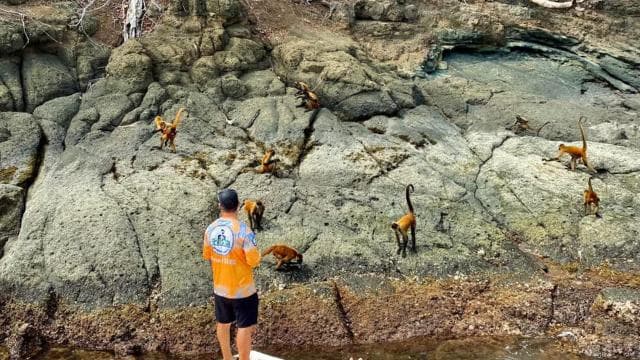
Look for Monkeys in the Mangrove Canopy
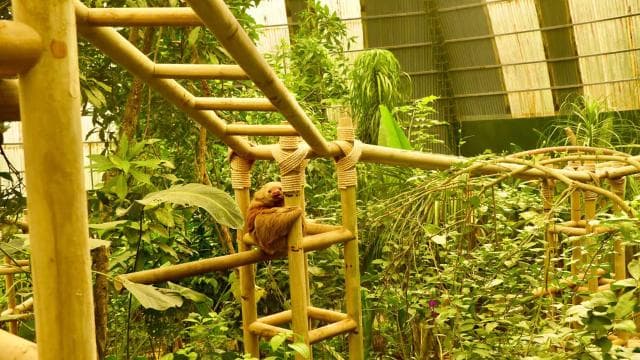
Watch for Sloths Hidden Among the Trees
A Birdwatcher’s Paradise in Southern Costa Rica
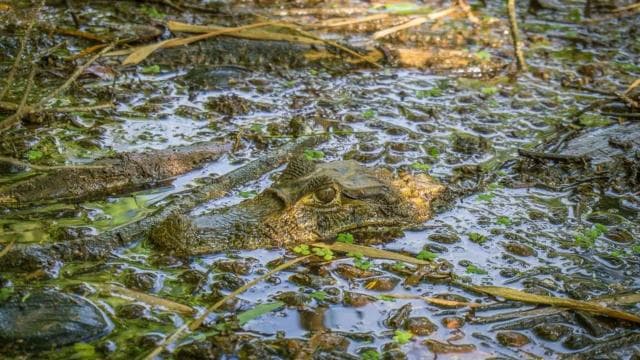
Search the Waterways for Crocodiles and Other Reptiles
Paddle Through a Living Mangrove Ecosystem
A Peaceful Alternative to Conventional Wildlife Tours
Kayak or SUP: Choose Your Way to Explore
Learn From a Local Bilingual Naturalist Guide
A Three-Hour Costa Rica Nature Experience
Private Mangrove Tours for a More Personal Experience
Photography Opportunities Around Every Bend
Experience Costa Rica’s Wild Side Without Leaving a Heavy Footprint
From Uvita to the Térraba-Sierpe Wilderness
What Your Mangrove Adventure Can Feel Like
Why This Tour Is Ideal for Nature Lovers
Wildlife Watching
Birdwatching
Kayaking
Nature Photography
Ecotourism
Local Experiences
Peace and Relaxation
What Makes the Térraba-Sierpe Mangroves Special?
A Memorable Experience for Couples, Families, and Friends
The Beauty of Slowing Down
A Journey Into One of Costa Rica’s Most Fascinating Wetlands
Your Costa Rica Adventure Starts With a Paddle
An Invitation to Discover the Hidden Paradise of Terraba-Sierpe
Uvita Térraba-Sierpe Wildlife Mangrove Kayak Tour: Itinerary, Travel Tips & Unforgettable Costa Rica Nature Experience
A Complete Journey Through Costa Rica’s Térraba-Sierpe Mangroves
Your Térraba-Sierpe Mangrove Adventure Begins
Step-by-Step Itinerary
Step 1: Meet Your Professional Bilingual Guide
Step 2: Get Equipped for the Water
Step 3: Begin Paddling Into the Mangrove Channels
Step 4: Search the Mangrove Canopy for Wildlife
Possible wildlife encounters include:
Step 5: Learn About the Mangrove Ecosystem
Step 6: Look for Tropical Birds
Herons
Kingfishers
Parrots
Macaws
Other Wetland Birds
Step 7: Watch the Shoreline for Reptiles
Step 8: Pause for Photography and Observation
Step 9: Continue Deeper Into the Natural Environment
Step 10: Return After Approximately Three Hours
What Is Included in the Tour?
Professional Certified Bilingual Guide
Kayak or SUP
Life Jacket
Entrance Fee
Parking
Travel Insurance
Bottled Water or Coconut Water
What Is Not Included?
What Should You Bring?
Comfortable Lightweight Clothing
Water-Friendly Footwear
Sunscreen
Insect Repellent
Hat and Sunglasses
Waterproof Phone or Camera Case
Binoculars
Travel Tips for the Best Mangrove Kayak Experience
1. Choose Comfortable Clothing
2. Protect Your Electronics
3. Listen to Your Guide
4. Be Patient
5. Avoid Loud Noises
6. Do Not Feed Wildlife
7. Keep a Respectful Distance
8. Bring Sun Protection
9. Stay Hydrated
10. Consider an Early or Suitable Departure Time
Why Choose a Kayak Instead of a Motorized Boat?
Is This Tour Physically Difficult?
Is the Tour Suitable for Families?
Is This Tour Suitable for Seniors?
Is the Tour Good for Couples?
Is the Tour Good for Photographers?
Why Travelers Love This Experience
Wildlife
Peacefulness
Local Knowledge
Adventure
Photography
Education
Convenience
Why Book the Uvita Térraba-Sierpe Wildlife Mangrove Kayak Tour?
Explore Beyond the Beach
Experience Wildlife in Its Natural Habitat
Enjoy a More Intimate Adventure
Learn From Local Experts
Make the Most of a Three-Hour Experience
Combine Adventure With Relaxation
A Responsible Way to Experience Wildlife
How to Make This Tour Part of Your Uvita Itinerary
The Perfect Experience for Nature-Loving Travelers
The Real Adventure Is in the Unexpected
A Different Way to See Costa Rica
Booking Advantages
What to Expect From Your Guide
Before You Book: Important Practical Considerations
Your Final Moments on the Water
Take Home More Than Photographs
Plan Your Térraba-Sierpe Wildlife Adventure
Your Next Costa Rica Memory Could Begin Here
Frequently Asked Questions About the Uvita Térraba-Sierpe Mangrove Kayak Tour
1. How long is the Uvita Térraba-Sierpe mangrove kayak tour?
2. Where does the mangrove kayak tour take place?
3. What animals can I see during the tour?
4. Can I see monkeys during the mangrove tour?
5. Can I see sloths on the Uvita mangrove tour?
6. Can I see crocodiles or caimans?
7. Is kayaking equipment included?
8. Is a tour guide included?
9. Is the entrance fee included?
10. Is bottled water included?
11. Is lunch included with the mangrove kayak tour?
12. What should I wear for the mangrove kayak tour?
13. What should I bring on the tour?
14. Can I take photographs during the tour?
15. Is this tour suitable for beginners?
16. Is the tour suitable for children?
17. Is the tour suitable for seniors?
18. What happens if it rains?
19. Are bathrooms available during the tour?
20. Do I need previous kayaking experience?
21. Is the tour private?
22. Is the mangrove tour good for birdwatching?
23. Is this an eco-friendly Costa Rica tour?
24. What makes the Térraba-Sierpe mangroves special?
25. Why should I choose a guided mangrove tour instead of exploring independently?
Après confirmation, notre équipe vous contactera par WhatsApp / E-mail pour confirmer l'heure exacte de prise en charge.
Si vous avez choisi un point de rencontre central, veuillez vous y rendre à l'heure prévue.