How Do Scientists Track Humpback Whale Movements Between Different Areas of Samaná Bay?
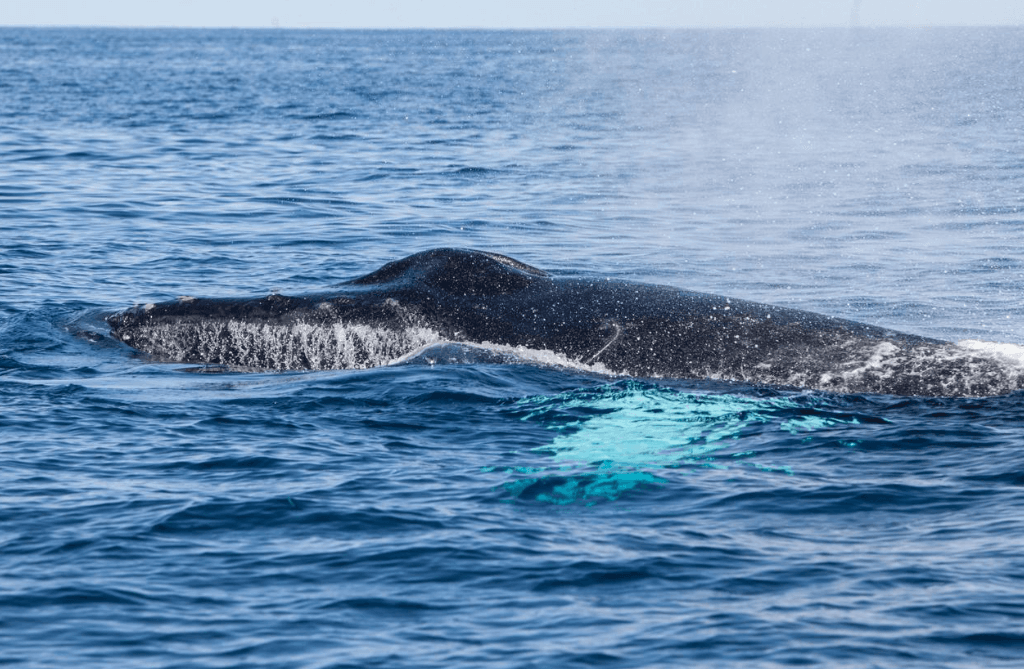
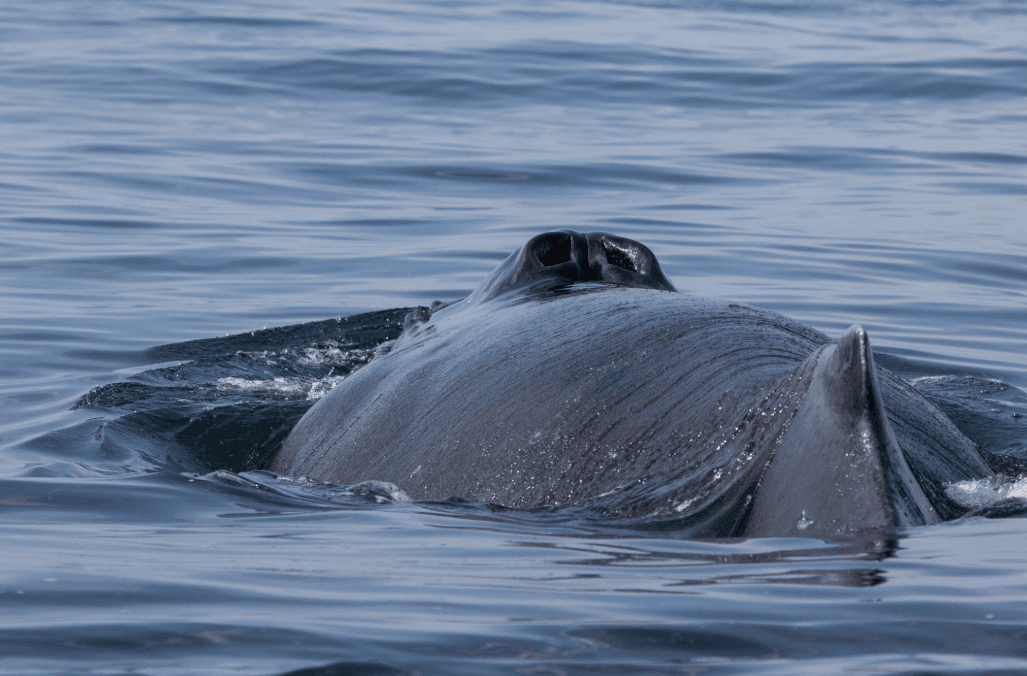
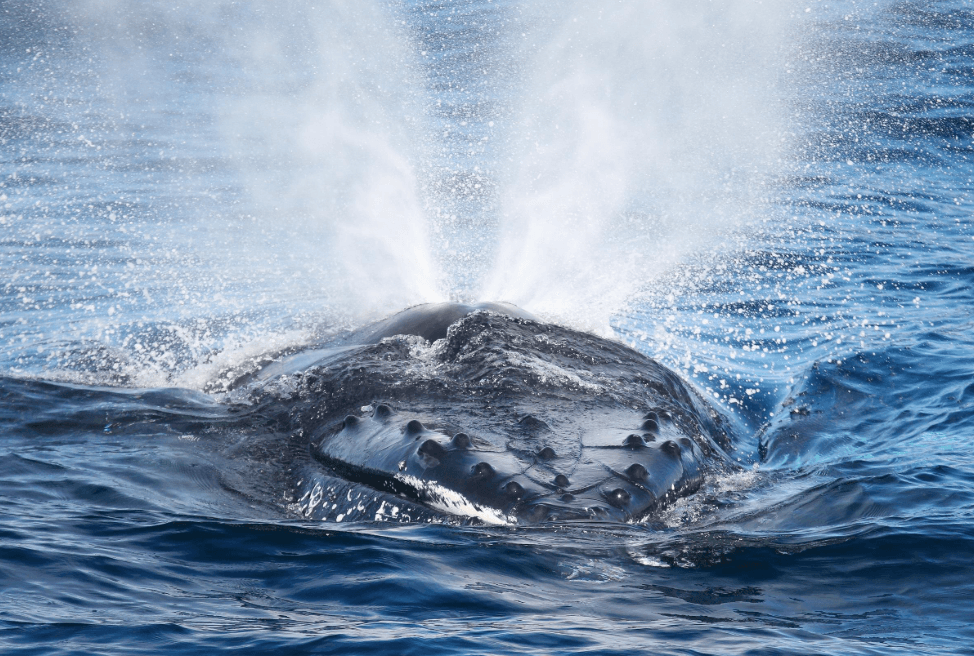
Samaná Bay in the Dominican Republic is an important seasonal destination for humpback whales. During the breeding season, these remarkable marine mammals can be observed traveling, resting, interacting with other whales, and surfacing in different parts of the bay.
But when a whale disappears beneath the water, how can researchers determine where it goes next And how can they tell whether the same whale has returned to an area visited earlier?
Scientists use a combination of photographs, observation records, geographic information, and specialized tracking technologies to investigate whale movements. These methods help researchers understand how individual whales use their habitat and how their movements change over time.
Why Is Tracking Humpback Whales Important?
Tracking humpback whales helps researchers understand how they use different parts of their seasonal habitat. Simply counting sightings cannot always reveal how individual animals move through an area.
For example, ten sightings do not necessarily represent ten different whales. One individual might be photographed repeatedly, while another may pass through the area without being observed.
Tracking methods help scientists investigate questions such as:
- Do individual whales return to the same areas during a season?
- How far do whales travel between recorded sightings?
- Do mothers with calves use different areas from other whales?
- How long do individual whales remain in an observed region?
- Do whales identified in one location appear elsewhere later?
Answers to these questions can contribute to research, habitat management, and responsible whale-watching practices.
How Does Photo Identification Help Researchers Track Whales?
One of the best-known methods for studying individual humpback whales is photo identification.
Researchers photograph the underside of a whale's tail flukes when the animal raises them above the water. The underside often displays distinctive patterns of pigmentation, scars, and markings that can help identify an individual.
Scientists compare new photographs with previously collected images to look for matches. When the same whale is identified at different times or locations, researchers can connect those observations.
Photo identification is particularly useful because it can support long-term studies without requiring scientists to attach a device to every whale.
However, successful identification depends on image quality, viewing angle, lighting, and the distinctiveness of the markings. Not every photograph provides enough detail for a confident match.
How Do Researchers Record a Whale's Location?
Identifying a whale is only one part of tracking its movement. Researchers also need to record where and when the sighting occurred.
Depending on the study, location information may come from GPS-equipped research vessels, recorded geographic coordinates, mapped observation points, or other reliable location data.
Each observation may include:
- Date and time of the sighting.
- Geographic location.
- Photographic identification, when possible.
- Number of whales observed.
- Presence of calves or other visible group members.
- Behavioral observations, such as traveling, resting, or breaching.
- Sea conditions and any limitations affecting the observation.
These records allow researchers to compare observations over time and build a more detailed picture of whale distribution.
The quality of the conclusions depends on the quality of the data. A location estimated from a distant observation, for example, may be less precise than a coordinate recorded directly by a GPS device.
Can Scientists Follow a Whale Underwater?
Following a whale continuously underwater is much more difficult than recording it at the surface.
Humpback whales can remain submerged while traveling or diving, leaving observers without a clear view of their position. A research vessel may record where a whale was last seen, but that does not establish its exact underwater route.
Scientists can use different tracking technologies when the research question and permits allow them. Depending on the device, these may include satellite-linked tags, archival tags, or other specialized instruments that collect information about location, depth, movement, or diving behavior.
Each technology has limitations. Some tags provide location estimates only at certain times, while others record detailed movement data but may require recovery to retrieve the information.
Tagging also requires careful consideration of animal welfare, research permits, and the potential effects of attaching equipment to a wild whale.
For many studies, repeated visual observations and photo identification remain valuable alternatives to continuous electronic tracking.
How Do Scientists Connect Sightings From Different Parts of Samaná Bay?
Researchers can compare identified whales across observation locations to determine whether the same individual has been recorded in different parts of the bay.
Imagine that a whale is photographed in one area in the morning and the same distinctive tail-fluke pattern is documented elsewhere later. If both identifications are reliable, the records provide evidence that the whale was observed in both places.
A map can display these observations as separate points, with each point linked to its date, location, and identification record.
Over time, multiple records may reveal repeated use of certain areas or changes in distribution during the season.
However, two sightings do not reveal the exact route the whale followed between them. The animal could have taken a direct path, changed direction, or spent time underwater outside the observation area.
Researchers must distinguish documented locations from inferred movements.
What Role Do Research Databases Play?
Large photo collections and sighting databases allow researchers to compare observations collected by different teams and over different years.
A well-maintained database may include individual identification numbers, original photographs, sighting dates, location records, and notes about the confidence of each identification.
Researchers can use these records to identify repeat sightings and examine patterns of habitat use.
When records are shared between research projects, they may also help establish connections between whales observed in different locations or seasons.
Data management is essential because inconsistent dates, inaccurate coordinates, duplicate entries, or incorrect photo matches can lead to misleading conclusions.
Scientific databases therefore require careful review, standardized records, and appropriate documentation.
Can Researchers Track Every Humpback Whale in Samaná Bay?
No. Researchers cannot guarantee that every whale will be observed or identified.
Some whales remain underwater for extended periods, surface beyond the survey area, or appear only briefly. Weather, sea conditions, visibility, and the number of available observers can also influence how many animals are recorded.
Photo identification may fail when the tail flukes are not visible or the photographs lack sufficient detail.
As a result, scientific sighting records usually represent the whales that researchers were able to observe under particular conditions, rather than a complete record of every whale present.
Scientists account for these limitations when interpreting their data and estimating how whales use an area.
How Can Whale-Watching Photographs Contribute to Research?
Photographs taken during whale-watching trips can sometimes contribute useful observations, especially when they clearly show identifying markings and are accompanied by reliable information about where and when they were taken.
However, a photograph by itself may have limited scientific value if the date, location, or identity of the animal is uncertain.
Travelers interested in contributing to research should follow the guidance of established research programs or recognized citizen-science projects. They should provide accurate observation details and avoid claiming that a whale is a particular individual without a reliable identification process.
Responsible whale watching should always come first. Visitors and operators should follow applicable regulations and avoid approaching or disturbing whales to obtain photographs.
What Can Tracking Reveal About Whale Habitat Use?
When researchers combine identification records and location data, they can investigate how whales use different parts of Samaná Bay during the season.
Repeated observations may show that certain individuals return to particular areas or that whales are recorded in different locations at different stages of their stay.
Researchers can also investigate whether observed patterns vary with age class, group composition, or behavior, provided that the available data support those comparisons.
These findings can improve understanding of the bay as a seasonal habitat and help inform conservation decisions.
Importantly, a concentration of sightings in one location does not automatically mean that the area contains more whales overall. It may also reflect better visibility, greater survey effort, or a higher chance of detecting animals there.
Careful analysis is needed to separate genuine animal movement from differences in observation effort.
Frequently Asked Questions
How do scientists identify individual humpback whales?
Researchers commonly compare photographs of the underside of tail flukes, looking for distinctive pigmentation patterns, scars, and markings. High-quality photographs and careful comparisons improve identification confidence.
Can researchers track whales without attaching tags?
Yes. Photo identification, repeat sightings, geographic records, and observations from research vessels can help scientists study movements without attaching electronic devices to every animal.
Does a whale's disappearance underwater mean it has left the area?
No. A whale may simply be diving or traveling underwater. Researchers cannot determine its exact location or route from a single disappearance at the surface.
How do scientists know that two sightings involve the same whale?
They compare identifying features in photographs and evaluate the quality of the images. A confident match requires sufficient evidence that the markings belong to the same individual.
Can tourists help track humpback whales?
Potentially. Well-documented photographs and sighting information may support recognized research or citizen-science programs. Contributors should follow program instructions and avoid disturbing the animals.
Why are long-term whale records important?
Records collected across multiple seasons can help scientists study return sightings, changes in distribution, and patterns of habitat use. Long-term data are especially valuable when observations are consistent and identification quality is carefully assessed.
Conclusion
Tracking humpback whale movements in Samaná Bay requires more than watching where a whale surfaces. Scientists combine individual identification, location records, repeated observations, and, when appropriate, specialized tracking technologies to understand how whales use different parts of their seasonal habitat.
These methods also reveal the limits of what researchers can know. A sighting records a whale at a particular place and time, but it does not necessarily reveal every movement made between observations.
By carefully connecting reliable records and acknowledging uncertainty, researchers can build a clearer understanding of humpback whale movements and support the long-term protection of these remarkable animals in Dominican Republic waters.

Local explorer & expert guide in Visita Haitises.