Costa Rica Mangrove Tour: Terraba National Wetlands - Uvita
5.0(81)
De la
Detalii$168
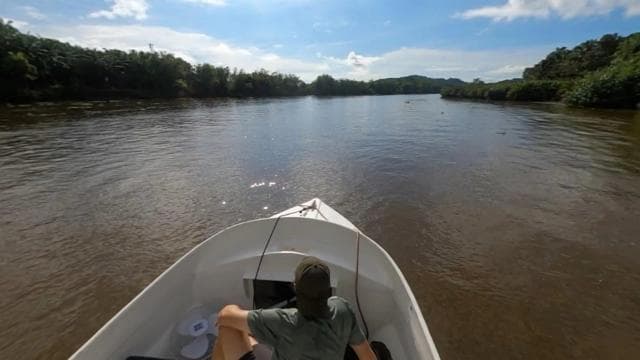
Imagine leaving the busy streets and beaches of Quepos behind and entering a world where calm waterways wind through dense tropical vegetation, mangrove roots rise from the water, and the sounds of Costa Rica's wildlife surround you from every direction. This is the experience waiting on the Quepos Costa Rica Mangrove Monkey Tour, a peaceful yet exciting eco-adventure through the remarkable mangrove waterways of Damas Island. Located on Costa Rica's Central Pacific coast, Quepos is famous for its tropical landscapes, rich biodiversity, nearby Manuel Antonio National Park, and spectacular Pacific beaches. Yet some of the area's most memorable wildlife encounters take place away from the open ocean and deep inside its mangrove ecosystem. The Damas Island estuary provides a fascinating environment where land and water meet, creating shelter and feeding grounds for an extraordinary variety of animals and plants. On this guided mangrove boat tour, travelers can explore the winding waterways from the comfort of a riverboat while keeping their eyes open for white-faced capuchin monkeys, tropical birds, reptiles, turtles, crocodiles, snakes, and other creatures that inhabit this unique environment. A bilingual naturalist guide accompanies the experience, helping you understand what you are seeing and explaining the ecological importance of the mangrove forest. This is more than simply a sightseeing cruise. It is an opportunity to slow down, observe nature, learn about Costa Rica's tropical ecosystems, and experience wildlife in a natural setting. Whether you are a first-time visitor to Costa Rica, a wildlife enthusiast, a family looking for an accessible nature activity, a photographer searching for authentic tropical scenes, or a traveler who simply wants a peaceful escape into nature, the Quepos mangrove monkey experience offers a memorable way to discover another side of the Pacific coast. The mangroves around Damas Island are among the most fascinating natural environments near Quepos and Manuel Antonio. Unlike a traditional forest, a mangrove ecosystem exists at the meeting point between land and water. Its channels, muddy banks, tangled roots, and dense vegetation create a highly productive habitat where many species can find food, shelter, and protection. As the boat moves through the waterways, the landscape changes constantly. One moment you may be passing beneath a canopy of green vegetation, while the next the channel opens to reveal reflections of the sky across the calm water. Mangrove roots appear along the banks, birds perch on branches above the boat, and the sounds of the surrounding forest create a relaxing natural soundtrack. The slow pace of a boat tour is particularly well suited to this environment. Instead of rushing from one attraction to another, you have time to look carefully into the trees and along the water's edge. Your guide can help identify animals that might otherwise be easy to miss. This makes the experience especially rewarding for travelers who enjoy wildlife observation. In a tropical environment, some of the most exciting moments can be small ones: a monkey moving between branches, a bird taking flight from the riverbank, a reptile resting near the water, or an unexpected movement among the mangrove roots. The mangrove forest also demonstrates how interconnected Costa Rica's ecosystems are. These coastal wetlands provide important habitat for wildlife while contributing to the health and stability of the surrounding coastal environment. Exploring them with a knowledgeable naturalist guide gives travelers the opportunity to appreciate not only the scenery but also the ecological story behind it. Costa Rica is internationally known for biodiversity, and the Quepos region is one of the country's most exciting destinations for nature lovers. Rainforest, coastal environments, rivers, beaches, and mangroves exist within a relatively compact area, creating opportunities to encounter an impressive variety of wildlife. The Quepos Mangrove Monkey Tour focuses on one of those less obvious habitats. Instead of hiking through a forest trail, you explore the ecosystem from the water. This changes the perspective completely. The boat allows you to travel through narrow mangrove channels that are difficult to experience on foot while giving you an elevated viewpoint for observing wildlife in the trees and along the shoreline. The star of the experience is often the white-faced capuchin monkey. These intelligent and highly adaptable animals are among Costa Rica's most recognizable monkeys. Watching them move naturally through the vegetation can be one of the highlights of a visit to the region. However, monkeys are only part of the story. Depending on conditions and wildlife activity, travelers may also have opportunities to observe birds, reptiles, turtles, crocodiles, and snakes. The exact animals seen during a particular outing can never be guaranteed because this is a genuine wildlife experience rather than a controlled animal encounter. That unpredictability is part of what makes the tour special. Every trip through the mangroves can be different. A guide may notice something hidden high in a tree that passengers have completely overlooked. A bird may suddenly appear along the water. A monkey may move through the canopy at just the right moment. The excitement comes from knowing that nature is unfolding around you without being staged. For many travelers, the opportunity to see monkeys is the main reason to book a mangrove tour in Quepos. White-faced capuchins are energetic, intelligent, and highly social primates. Seeing them in the wild offers a very different experience from viewing animals in captivity. Instead of watching wildlife behind barriers, you are observing animals within the ecosystem they naturally depend on. Your guide can help you locate monkeys in the surrounding vegetation and explain aspects of their behavior, habitat, and relationship with the forest. Sometimes the monkeys may be clearly visible. At other moments, you may only catch movement among the leaves. This is why patience and observation are important parts of the experience. The boat provides a comfortable platform from which to watch the treetops without requiring a strenuous hike. Once a guide identifies wildlife, passengers can take their time looking in the indicated direction and, when conditions allow, capture photographs. For families, this can turn the excursion into an educational adventure. Children can learn to look for movement, recognize different animals, and understand why natural habitats need protection. Adults can enjoy the peaceful scenery and the excitement of spotting wildlife. For photographers, the combination of reflective water, tropical vegetation, wildlife, and natural light creates countless opportunities for memorable images. Although the name of the tour emphasizes monkeys, the mangrove ecosystem is home to far more than primates. During your boat journey, you may have opportunities to observe a variety of tropical species, including birds and reptiles. The waterways provide a natural environment where different animals interact with the forest, water, and shoreline. Birdwatchers can find the experience particularly rewarding. Tropical waterways attract numerous bird species because they provide feeding and resting areas. Depending on the season and conditions, you may see birds moving between branches, searching for food along the water, or flying overhead. Reptile sightings can add another exciting element to the journey. Turtles, crocodiles, and snakes are among the creatures that may inhabit mangrove environments. Your naturalist guide can help identify them and explain their role within the ecosystem. The possibility of seeing nonpoisonous snakes may be especially interesting for curious travelers. Rather than presenting wildlife as something to fear, a knowledgeable guide can explain how different species behave and why they are important to a healthy ecosystem. The result is a wildlife experience that feels varied and authentic. You are not visiting the mangroves simply to check one animal off a list. You are entering an entire living ecosystem and discovering the relationships between its plants, waterways, birds, mammals, and reptiles. One of the most appealing aspects of the Quepos mangrove boat experience is its peaceful atmosphere. Costa Rica is famous for adventure activities, but not every memorable experience needs to involve speed, climbing, or physical exertion. Sometimes the best way to experience nature is to sit back and let the environment come to you. As the boat glides along the waterways, you can enjoy the changing scenery while your guide searches for wildlife. The relatively calm nature of the excursion makes it an excellent complement to more active Costa Rican adventures. After hiking, surfing, ziplining, rafting, or exploring beaches, a mangrove cruise provides a chance to slow down. The atmosphere is especially appealing for travelers who want to experience nature without committing to a strenuous activity. The boat does the traveling while you concentrate on observation, photography, and learning. The surrounding greenery also creates a strong sense of immersion. In places where the mangrove vegetation becomes dense, the outside world can feel surprisingly distant. For a traveler staying in Quepos or Manuel Antonio, this is an excellent opportunity to experience a different side of the destination without spending the entire day on a demanding excursion. A major advantage of taking a guided mangrove tour is the knowledge of the person leading the experience. The bilingual naturalist guide is not simply there to operate the tour. Their role is to help travelers understand the environment and identify wildlife that may be difficult for an untrained visitor to recognize. The mangrove forest can initially appear to be a wall of green vegetation. Once you begin learning what to look for, however, the landscape becomes much more interesting. A guide can point out animals hiding among branches, explain the characteristics of local plants, identify birds, and discuss the ecological importance of mangroves. The bilingual format also makes the experience accessible to both English- and Spanish-speaking travelers. Instead of simply taking a boat ride and looking around, you gain context. You learn why mangroves matter, how wildlife uses the ecosystem, and how the different parts of the environment work together. This educational element makes the tour particularly valuable for travelers who want to return home with more than photographs. You leave with a better understanding of the natural world you experienced. Damas Island offers a quieter perspective on the Quepos region. Many visitors associate the area primarily with Manuel Antonio's beaches and rainforest. Those attractions deserve their popularity, but the surrounding waterways reveal another dimension of the local landscape. The mangroves are peaceful, mysterious, and highly productive ecosystems. Their winding channels provide an entirely different visual experience from the open Pacific Ocean or inland rainforest trails. For travelers staying in Quepos, the Damas Island area is therefore a natural addition to a broader Costa Rica itinerary. You can spend part of your trip exploring beaches and national parks and then dedicate time to the mangrove waterways, where the focus shifts toward wildlife observation and environmental discovery. This variety is one of the strongest reasons to include the experience in a Costa Rica vacation. The Quepos Costa Rica Mangrove Monkey Tour combines adventure with relaxation. There is excitement in searching for monkeys and other wildlife, but the experience itself remains calm and comfortable. The boat moves through the waterways while you observe the environment around you. This balance makes the excursion attractive to a wide range of travelers. Nature lovers can focus on biodiversity. Photographers can look for interesting compositions and wildlife moments. Families can introduce children to tropical ecosystems in an engaging way. Couples can enjoy a peaceful experience surrounded by nature. Solo travelers can explore the mangroves with the assistance of a knowledgeable guide. Even travelers who have already visited Manuel Antonio National Park can find something different here because the mangrove ecosystem provides a completely different perspective. The tour is therefore not simply an alternative to a rainforest hike. It is its own distinct nature experience. Bring your camera or smartphone because the mangroves offer excellent opportunities for nature photography. The scenery itself can provide beautiful photographs: winding waterways, reflections on the surface, dense tropical foliage, exposed mangrove roots, and dramatic contrasts between water and greenery. Then there is the wildlife. A monkey moving through the canopy can become the defining photograph of the trip. A tropical bird perched near the water can create another memorable image. Even small details, such as leaves, roots, insects, and reflections, can capture the atmosphere of the ecosystem. However, wildlife photography is often about patience rather than simply taking as many pictures as possible. Listen to your guide, watch carefully, and be ready when an animal appears. It is also important to remember that wildlife should be observed respectfully. Keeping an appropriate distance, avoiding unnecessary disturbance, and following the guide's instructions help protect both animals and visitors. The best wildlife photograph is one that records a natural moment without interfering with it. If Quepos is part of your Costa Rica itinerary, the mangrove monkey boat tour is an easy way to add a wildlife-focused experience to your trip. Quepos is a popular base for exploring the Central Pacific coast, and the nearby Manuel Antonio area offers a combination of rainforest, beaches, and marine landscapes. Adding a Damas Island mangrove excursion allows you to experience another important habitat within the region. This makes the tour especially useful for travelers who want variety. Rather than spending every day walking trails or relaxing on the beach, you can dedicate time to a calm water-based wildlife experience. The tour also works well as part of a broader Costa Rica nature itinerary. You can combine it with rainforest exploration, beach time, cultural experiences, or other outdoor adventures in the Quepos and Manuel Antonio region. There are several elements that come together to make this experience memorable. You explore an ecosystem that looks and feels completely different from Costa Rica's beaches and traditional rainforest trails. The waterways provide opportunities to search for white-faced capuchin monkeys, birds, reptiles, turtles, crocodiles, snakes, and other tropical wildlife. A bilingual naturalist guide adds educational value and helps you notice wildlife that might otherwise remain hidden. You can explore the mangrove channels without undertaking a demanding hike, making the experience accessible to travelers seeking a more relaxed nature activity. Instead of watching wildlife in an artificial environment, you explore the animals' natural habitat and observe the ecosystem as it exists. From wildlife and vegetation to waterways and tropical scenery, there are plenty of moments worth capturing. The experience provides an opportunity to learn about tropical flora, fauna, and the ecological role of mangrove environments. A good wildlife tour should leave you with a stronger appreciation for the destination, and that is what makes a mangrove experience especially meaningful. The Damas Island waterways are not simply scenic routes. They are part of a living system. Every tree, root, channel, bird, reptile, and mammal contributes to the larger ecosystem. As you travel deeper into the mangroves, you begin to see the landscape differently. Instead of viewing the vegetation as background scenery, you start noticing its details. Instead of simply seeing a bird, you begin wondering what it is doing and why it is there. Instead of thinking of the water as a route for the boat, you recognize it as a habitat supporting countless forms of life. That shift in perspective is one of the most rewarding parts of guided nature travel. The tour gives you the opportunity to experience Costa Rica slowly, attentively, and respectfully. Some excursions are designed around adrenaline. Others are focused entirely on sightseeing. The Quepos Mangrove Monkey Tour sits comfortably between the two. There is adventure in entering the mangrove channels and searching for wildlife. There is education in learning from a naturalist guide. There is relaxation in drifting through peaceful waterways surrounded by tropical vegetation. That combination makes the experience versatile. You can spend the morning or afternoon exploring nature without feeling exhausted at the end of the experience. You can enjoy the scenery while still having the excitement of wildlife discovery. For many travelers, that balance is exactly what makes a Costa Rica vacation special. A little preparation can make your experience more comfortable. Bring a camera or smartphone so you are ready when wildlife appears. A hat and sunscreen are useful because tropical conditions can be sunny and warm, even when the boat is surrounded by vegetation. Insect repellent is also recommended for a comfortable experience in a wetland environment. Choose comfortable clothing and suitable shoes that work well for a tropical outdoor excursion. It is also a good idea to protect electronic equipment from moisture and keep valuables secure while traveling. Most importantly, arrive ready to observe rather than rush. Wildlife encounters happen on nature's schedule. One of the most memorable things about a mangrove tour is that you never know exactly what the next bend in the waterway will reveal. The boat turns. The guide looks toward the trees. Everyone becomes quiet. Then suddenly, a movement catches your attention. That sense of anticipation is part of the experience. You are not simply traveling toward a predetermined attraction. You are exploring a living ecosystem where wildlife moves freely. Sometimes the reward is an obvious monkey sighting. Sometimes it is a bird you had never seen before. Sometimes it is simply the beauty of the mangrove forest reflected in still water. The experience encourages you to slow down and pay attention. In a world where travel can sometimes feel rushed, this type of nature excursion provides a welcome opportunity to reconnect with the environment around you. For travelers looking for an authentic wildlife activity near Quepos, the Mangrove Monkey Tour offers an appealing combination of scenery, biodiversity, comfort, and education. You will cruise through the Damas Island mangrove waterways, surrounded by tropical vegetation and the sounds of nature. With a bilingual naturalist guide leading the way, you will learn about the local ecosystem while searching for wildlife including white-faced capuchin monkeys, tropical birds, reptiles, turtles, crocodiles, and snakes. The experience is calm enough for travelers who prefer relaxed sightseeing while still providing plenty of excitement for anyone fascinated by wildlife. It is also a wonderful reminder of why Costa Rica is considered one of the world's premier nature destinations. The country is not simply a place to see beautiful landscapes. It is a place to observe ecosystems functioning in real time. And in the mangroves of Damas Island, that story unfolds around you. From the moment you leave the familiar surroundings of Quepos and approach the mangrove waterways, the character of the landscape begins to change. The tropical vegetation becomes denser. The waterways become quieter. The pace becomes slower. Then the boat enters the mangrove channels, and the experience truly begins. Your guide helps you understand what makes the area special while keeping an eye out for wildlife. Every section of the waterway brings another opportunity to observe the natural environment. You may see a monkey moving through the branches. You may notice a bird resting near the shoreline. You may discover a reptile hiding in the vegetation. Or you may simply enjoy several peaceful minutes surrounded by green forest and calm water. All of these moments are part of the adventure. The Quepos Costa Rica Mangrove Monkey Tour is ultimately about more than seeing a particular animal. It is about entering an ecosystem, slowing down enough to appreciate it, and discovering the remarkable wildlife that calls it home. Quepos is a destination filled with possibilities, from Pacific beaches and rainforest landscapes to wildlife and outdoor adventures. But the mangrove waterways reveal a quieter side of the region. Here, nature takes center stage. There are no crowded attractions inside the mangrove channels. Instead, there are winding waterways, tropical vegetation, natural sounds, and the possibility of an unexpected wildlife encounter around every bend. For travelers who want to experience Costa Rica beyond the typical postcard views, this is an opportunity to explore deeper. It is a chance to trade busy sightseeing for peaceful discovery. It is a chance to replace a checklist of attractions with genuine observation. And it is a chance to experience one of the Central Pacific coast's fascinating ecosystems with the help of a knowledgeable local guide. A Costa Rica vacation can be filled with unforgettable moments, but some experiences stay with you because of how they make you feel. The quiet movement of a boat through the mangroves. The sudden appearance of a monkey in the trees. The sound of tropical birds overhead. The reflection of the forest in the water. The excitement of spotting something your guide has just discovered. These are the moments that transform a simple excursion into a travel memory. The Quepos Costa Rica Mangrove Monkey Tour brings these moments together in an accessible, educational, and nature-focused adventure. Whether you are visiting the Central Pacific coast for several days or simply looking for a memorable activity near Quepos, exploring the Damas Island mangroves is an excellent way to experience Costa Rica from the water. Come prepared to look closely, listen carefully, and let the natural world surprise you. The mangroves are waiting, and your next Costa Rica wildlife adventure could be just around the next bend. The Quepos Costa Rica Mangrove Monkey Tour offers a distinctive way to experience one of the region's most fascinating ecosystems. With a guided boat ride, bilingual naturalist assistance, opportunities to observe white-faced capuchin monkeys and other wildlife, and beautiful tropical surroundings, the experience combines the things many travelers come to Costa Rica to discover: nature, wildlife, learning, and unforgettable scenery. For travelers seeking a peaceful alternative to more strenuous adventures, it provides a comfortable way to explore. For wildlife lovers, it offers the excitement of searching for animals in their natural habitat. For photographers, it creates opportunities to capture the atmosphere and biodiversity of the mangrove forest. For families, it turns nature observation into an engaging outdoor learning experience. And for anyone visiting Quepos, it provides another reason to leave the ordinary tourist route behind and explore the extraordinary natural world surrounding the town. The journey through Damas Island's mangrove waterways is not simply a boat ride. It is an invitation to experience Costa Rica at nature's pace. Your mangrove adventure begins with an introduction to the natural environment surrounding Damas Island. After getting ready for the excursion, you board the riverboat and begin traveling through the peaceful waterways that weave through the mangrove forest. Unlike a conventional sightseeing cruise, this experience is built around observation. The boat moves at a pace that allows passengers to appreciate the surrounding vegetation and look for wildlife along the banks and in the trees. Your bilingual naturalist guide plays an important role throughout the journey. As the boat navigates the mangrove channels, the guide helps identify animals, explains interesting facts about tropical flora and fauna, and provides insight into the ecosystem you are exploring. Keep your camera ready because wildlife sightings can happen unexpectedly. A monkey may appear among the branches. A tropical bird may land near the water. A reptile may be resting quietly along the edge of a channel. The guide's experience can make it easier to notice these animals and understand what you are seeing. Because this is a genuine wildlife experience, every trip can be different. Nature does not follow a fixed schedule, and sightings depend on weather, season, water conditions, animal behavior, and other natural factors. That unpredictability is part of the adventure. Your experience begins as you get ready for the guided mangrove excursion. Make sure you have your camera or smartphone, sunscreen, insect repellent, hat, and comfortable clothing. The mangrove environment is tropical, so lightweight clothing and practical footwear are recommended. Before departing, listen carefully to the guide's instructions. Understanding how to behave around wildlife helps create a safe and respectful experience for everyone. Once the group is ready, board the boat and settle into your seat. The riverboat provides an excellent viewing position as you travel through the waterways. From the boat, you can observe the vegetation along the banks and look upward into the canopy for wildlife. This is also the perfect time to begin taking photographs of the surrounding scenery. As the boat enters the mangrove waterways, the landscape begins to change. Dense tropical vegetation surrounds the channels, and the atmosphere becomes increasingly peaceful. The waterways create a natural route through an ecosystem that can be difficult to appreciate from land. Your guide begins explaining the mangrove environment and pointing out interesting features along the route. Take your time during this part of the journey. Look toward the trees, branches, roots, and water rather than focusing only on the most obvious sights. One of the main highlights of the excursion is the opportunity to observe white-faced capuchin monkeys. Your naturalist guide will keep watch for signs of monkey activity and help passengers locate them when they appear. When monkeys are spotted, take a moment to observe their natural behavior rather than immediately concentrating on photography. You may see them moving through vegetation, resting in branches, or interacting with their surroundings. Because wildlife encounters are unpredictable, sightings may vary from one excursion to another. The experience is about exploring the habitat and looking for wildlife rather than guaranteeing a particular animal at a particular moment. The mangrove waterways are also an excellent environment for bird observation. Keep looking along the branches and shoreline as the boat moves slowly through the canals. Birds can sometimes blend remarkably well into their surroundings, making the guide's trained eye especially valuable. The combination of water, trees, and abundant food sources makes coastal wetland environments important habitats for many bird species. Whether you are an experienced birdwatcher or simply enjoy seeing colorful tropical birds, this part of the journey can add another dimension to the experience. The mangroves are home to more than monkeys and birds. Depending on natural conditions, the excursion may provide opportunities to observe turtles, crocodiles, snakes, and other reptiles. Your guide can explain the characteristics and ecological role of these animals while helping passengers observe them responsibly. The possibility of spotting a reptile can create some of the most exciting moments of the trip, particularly when an animal is well camouflaged and only becomes visible after the guide points it out. Remember that these are wild animals. Follow the guide's instructions, maintain an appropriate distance, and avoid attempting to touch or feed wildlife. Throughout the boat ride, your bilingual naturalist guide provides information about the plants and animals found in the mangrove ecosystem. You can learn how mangrove vegetation survives in a challenging coastal environment and why these forests are important to wildlife. The guide can also help explain how different species depend on the ecosystem. This educational component makes the excursion especially valuable for travelers who want to understand the destination rather than simply photograph it. Between wildlife sightings, take time to appreciate the scenery. The calm water, dense vegetation, reflections, and natural sounds create a relaxing environment that contrasts with the energy of many other Costa Rican adventures. There is no need to rush. Use this time to enjoy the landscape, listen to the guide, take photographs, and simply experience the atmosphere of the mangroves. After exploring the waterways and observing the surrounding wildlife, the boat gradually completes its route. The end of the excursion provides an opportunity to reflect on the experience and the variety of wildlife encountered during the journey. You may return with photographs of monkeys and birds, but the most valuable souvenir may be a greater appreciation for Costa Rica's tropical ecosystems. Costa Rica is famous for its beaches and rainforests, but the country's wetlands and mangroves are equally fascinating. This tour gives you the opportunity to experience a coastal ecosystem that many travelers might otherwise overlook. Instead of spending another day doing the same type of activity, you can explore the Damas Island waterways and discover wildlife from an entirely different perspective. Not every traveler wants a physically demanding adventure. The mangrove monkey tour allows you to experience tropical wildlife while traveling by boat. You can remain seated while the guide handles navigation and wildlife observation. This makes the experience appealing to travelers who prefer a more relaxed approach to nature exploration. A knowledgeable guide can make a major difference during a wildlife experience. Without guidance, a mangrove forest can appear to be simply a collection of trees and waterways. With an experienced naturalist, small details become meaningful. A movement in the branches could be a monkey. A shape beside the water could be a reptile. A bird hidden in the vegetation could become one of the most memorable sightings of the day. The guide helps turn observation into understanding. Wildlife photography is one of the most enjoyable ways to remember a Costa Rica vacation. The boat provides opportunities to photograph both animals and landscapes without requiring a difficult hike. Bring a fully charged smartphone or camera and be prepared to react quickly when wildlife appears. For the best results, consider taking a mixture of wide landscape photographs and closer wildlife images. Do not forget to photograph the environment itself. The mangrove forest is an important part of the story. For families traveling with children, the excursion can turn wildlife observation into a fun learning experience. Instead of simply telling children about tropical animals, they have the opportunity to see them in their natural surroundings. The guide's explanations can encourage young travelers to ask questions about monkeys, birds, reptiles, plants, waterways, and conservation. Parents can make the experience even more engaging by turning wildlife spotting into a friendly observation challenge. Who can spot the first bird? Who can find movement in the trees? Who can identify an animal after the guide gives a clue? These simple activities can make the experience memorable without taking away from the natural setting. The tropical climate of Costa Rica means that conditions can change throughout the year. Morning and daytime excursions can provide excellent opportunities for wildlife observation, while weather conditions can influence animal activity and visibility. Rather than focusing exclusively on finding the "perfect" day, it is best to approach the experience with realistic expectations. Wildlife is unpredictable. Cloud cover may change the atmosphere of the forest. Rain can alter the appearance of the waterways. Sunny conditions can create beautiful reflections across the water. Each type of weather can produce a different experience. If you are planning several activities during your Quepos vacation, consider leaving some flexibility in your itinerary so you can enjoy the mangrove excursion without feeling rushed. Comfort is more important than dressing formally. Choose lightweight, breathable clothing suitable for a warm tropical environment. Comfortable shoes are recommended, particularly for getting on and off the boat and moving around the starting area. A hat can provide additional protection from the sun. Sunscreen is also important, especially because tropical sunlight can be strong even when temperatures feel comfortable. Insect repellent is another useful item to bring when exploring a wetland environment. Avoid bringing unnecessary valuables. Keep cameras, phones, and other electronics secure and protected from moisture. A well-prepared traveler can enjoy the excursion more comfortably. Wildlife sightings can happen quickly, so keep your camera accessible. Protect exposed skin from tropical sunlight. A lightweight hat can provide additional sun protection. Useful when spending time in and around tropical wetland environments. Choose breathable clothing suitable for warm outdoor conditions. Wear practical footwear appropriate for a boat-based nature excursion. Staying hydrated is important during outdoor activities in Costa Rica's warm climate. This may be the most valuable thing you bring. Wildlife does not perform on demand. The more patient you are, the more enjoyable the observation experience can become. Don't only look directly in front of the boat. Wildlife can be above you, beside you, or partially hidden within vegetation. Look at different levels of the forest and pay attention to movement. Your guide knows what signs to watch for. If the guide suddenly points toward a particular tree or branch, take a moment to look carefully before giving up. Sometimes the animal may be difficult to see at first. Wildlife can move quickly. If you wait until an animal is perfectly positioned before preparing your camera, you may miss the moment. Keep your device ready while still remembering to enjoy the experience without viewing everything through a screen. Wild animals should be observed rather than approached. Do not attempt to touch, feed, chase, or attract animals. Follow your guide's instructions throughout the tour. Respectful wildlife tourism helps protect the environment and creates a better experience for future visitors. You may have a particular animal in mind before the tour begins, but try not to measure the experience solely by whether you see it. A beautiful bird, an unusual plant, a quiet waterway, or an unexpected reptile encounter can become the highlight of the trip. For travelers interested in nature and wildlife, this tour offers excellent experiential value. The excursion combines several elements in one activity: a scenic boat ride, tropical wildlife observation, natural interpretation, photography opportunities, and time in a unique ecosystem. It is particularly worthwhile for travelers who want something different from a traditional beach day. If you are staying in Quepos or visiting the Manuel Antonio area, the mangroves offer an opportunity to expand your Costa Rica experience beyond the most familiar attractions. The tour can also complement a more active itinerary. After hiking, surfing, rafting, or other adventures, a peaceful boat ride through the mangroves can provide a welcome change of pace. Quepos is an excellent base for exploring Costa Rica's Central Pacific region. A well-rounded itinerary can include several different types of experiences. You might spend one day exploring rainforest trails, another relaxing on the beach, and another discovering marine or coastal environments. The mangrove monkey tour fits naturally into this kind of itinerary because it introduces an ecosystem that feels completely different from the others. It is also an efficient way to experience wildlife without dedicating an entire day to strenuous exploration. For travelers with limited time, that can be particularly valuable. Instead of choosing between relaxation and adventure, you get elements of both. Visitors to the Quepos area often include Manuel Antonio in their travel plans. The region is famous for its combination of tropical forest, wildlife, beaches, and scenic coastal landscapes. The Damas Island mangrove experience can complement a visit to the area by showing you another habitat. A rainforest experience focuses heavily on trails and forest wildlife. A beach visit emphasizes the Pacific coastline. A mangrove boat tour introduces the fascinating environment where water, wetlands, and tropical vegetation interact. Together, these experiences can provide a much richer understanding of the natural diversity surrounding Quepos. Couples looking for a peaceful nature experience can enjoy the slower pace of a mangrove cruise. Rather than participating in a high-energy activity, you can spend time together surrounded by tropical scenery while searching for wildlife. The changing landscape also provides plenty of opportunities for photographs. For couples interested in nature, photography, or eco-tourism, this can be a memorable addition to a Costa Rica vacation. Solo travelers can also enjoy the tour without needing to organize an independent wildlife expedition. The presence of a bilingual guide provides assistance throughout the experience and makes it easier to understand the environment. The boat setting also creates opportunities to meet other travelers while sharing the excitement of wildlife sightings. For someone traveling alone through Costa Rica, a guided nature excursion can be a convenient way to explore an unfamiliar ecosystem while benefiting from local knowledge. Travelers who prefer activities with less physical intensity may appreciate the boat-based nature of this excursion. You can explore the mangroves without spending hours walking through difficult terrain. However, travelers should consider their own mobility and comfort when booking any outdoor activity, particularly regarding boarding and leaving the boat. If you have specific accessibility requirements, confirming the arrangements before booking is recommended. A memorable wildlife encounter should also be a responsible one. The purpose of visiting natural habitats is to observe and appreciate wildlife without disrupting it. During the mangrove tour, follow the instructions of your naturalist guide and avoid attempting to attract animals for photographs. Do not feed wildlife. Do not touch wild animals. Avoid loud behavior when animals are nearby. Keep personal belongings secure and leave the natural environment as you found it. Responsible tourism helps preserve the mangrove ecosystem and ensures that visitors can continue experiencing these remarkable environments in the future. Your behavior as a traveler matters. Even small actions can contribute to a more sustainable approach to wildlife tourism. Mangroves are extraordinary ecosystems because they thrive in areas influenced by saltwater and changing water levels. Their specialized vegetation creates complex habitats for many forms of life. The tangled roots and waterways provide shelter and feeding areas, while the surrounding vegetation supports a variety of birds, mammals, reptiles, fish, and other organisms. For travelers, the importance of these forests can be easy to overlook. They may simply appear as dense green vegetation surrounding a waterway. But once you understand their ecological role, the landscape becomes much more meaningful. A guided tour offers an opportunity to learn this story directly while experiencing the environment. The strongest travel experiences often change the way you see a destination. At the beginning of the tour, you may simply be hoping to see a monkey. By the end, you may find yourself thinking about how the entire ecosystem supports that monkey and countless other species. You begin to notice the vegetation. You notice the water. You notice the birds. You notice the relationships between the different parts of the environment. That is the real value of nature-based travel. It transforms sightseeing into learning. The Quepos Mangrove Monkey Tour provides an accessible way to experience this transformation. Mangrove environments can be difficult for first-time visitors to interpret. Wildlife often blends into the surroundings, and many species are easy to overlook without experience. A naturalist guide can dramatically improve the experience by knowing where to look and what behaviors to recognize. The guide can also provide context. Instead of seeing an unfamiliar bird and wondering what it is, you can learn about its characteristics. Instead of seeing a monkey moving through branches, you can gain insight into its behavior. Instead of simply passing through the mangroves, you understand why the ecosystem matters. That combination of observation and interpretation is what turns a boat ride into a genuine educational adventure. Choosing a guided mangrove excursion offers several practical advantages. You do not need to plan your own route through unfamiliar waterways. The guided experience takes you into the mangrove channels while you focus on enjoying the scenery and wildlife. A naturalist guide brings local understanding that can be difficult to replicate through independent sightseeing. The excursion is specifically designed around observing the area's flora and fauna. The boat journey allows you to explore without the physical demands of a long hiking excursion. The combination of wildlife and tropical scenery makes the tour attractive to travelers carrying cameras or smartphones. The experience provides information about the local ecosystem rather than simply transporting visitors through it. Arrive prepared for a tropical outdoor environment. Keep your camera accessible but secure. Listen carefully when the guide identifies an animal. Don't worry if you do not immediately see what everyone else is looking at. Wildlife can be surprisingly well camouflaged. Take time to appreciate the scenery between sightings. Drink enough water and protect yourself from the sun. Most importantly, remain flexible. The exact experience cannot be predicted because nature is constantly changing. That uncertainty is what makes a wildlife excursion feel genuine. People often remember travel experiences because of unexpected moments. You may remember the exact moment the boat turned into a narrow channel. You may remember your first glimpse of a capuchin monkey. You may remember a tropical bird appearing unexpectedly beside the water. You may remember how quiet the mangroves became as the boat moved deeper into the forest. You may remember the guide explaining something that completely changed how you viewed the ecosystem. These moments cannot be manufactured. They happen because you are present in a natural environment. That is why a mangrove tour can become one of the highlights of a Costa Rica vacation. Travelers often want to combine several interests into one excursion. The Quepos Mangrove Monkey Tour makes that possible. You have opportunities to search for monkeys, birds, reptiles, turtles, crocodiles, snakes, and other tropical species. You explore a distinctive mangrove ecosystem and learn about its plants and ecological importance. You have access to changing landscapes and wildlife photography opportunities. Children can learn about animals through direct observation. The boat provides a comfortable way to explore the environment without a demanding hike. This versatility makes the experience appealing to many different types of visitors. When planning your Costa Rica vacation, consider leaving enough time to experience more than the region's famous beaches. The natural world around Quepos is incredibly diverse. The mangrove waterways provide a chance to slow down and explore that diversity from a different perspective. Bring your camera. Bring sunscreen. Bring insect repellent. Wear comfortable clothing. And most importantly, bring curiosity. The guide will help you discover what is hiding among the trees and waterways, but your own attention and patience will make the experience even more rewarding. The Quepos Costa Rica Mangrove Monkey Tour is an excellent choice for travelers who want to combine wildlife discovery with a relaxing boat journey. From the moment you enter the Damas Island waterways, the scenery changes from the familiar sights of the coast to an immersive world of mangrove vegetation and tropical wildlife. The experience provides opportunities to observe white-faced capuchin monkeys and a variety of other animals while learning about the local ecosystem from a bilingual naturalist guide. It is comfortable, educational, scenic, and full of the anticipation that makes wildlife encounters so exciting. Most importantly, it allows you to experience Costa Rica in a way that feels authentic. A visit to Quepos is about more than simply seeing a beautiful destination. It is about discovering the incredible ecosystems that make the region unique. The mangroves of Damas Island offer an unforgettable setting for that discovery. As the boat moves quietly through the waterways, every bend presents another opportunity to observe something new. The dense vegetation hides wildlife, the water reflects the surrounding forest, and your guide helps bring the ecosystem to life. Whether you are hoping to photograph a white-faced capuchin monkey, searching for tropical birds, curious about reptiles, or simply looking for a peaceful nature experience, this tour provides an excellent opportunity to explore. The experience combines adventure and relaxation without requiring a demanding physical itinerary. It combines wildlife observation with education. And it combines the beauty of Costa Rica's Central Pacific landscape with the excitement of discovering animals in their natural environment. If exploring Costa Rica's wildlife is part of your travel plans, make the Damas Island mangroves part of your Quepos experience. Step aboard the riverboat, follow the winding waterways, listen to the forest, and keep your eyes open for movement in the trees and along the water. Your guide will help you discover the hidden details of the ecosystem, but the most exciting moments will unfold naturally. From white-faced capuchin monkeys and tropical birds to reptiles and lush mangrove scenery, the experience offers countless opportunities to create lasting travel memories. Whether you are traveling with family, friends, a partner, or on your own, this nature-focused excursion provides a refreshing change of pace from conventional sightseeing. Discover the quieter side of Quepos. Explore the remarkable Damas Island mangroves. Learn about Costa Rica's tropical flora and fauna. And experience the thrill of seeing wildlife where it truly belongs—in the wild. Reserve your Quepos Costa Rica Mangrove Monkey Tour and turn your visit to the Central Pacific coast into a deeper, more memorable nature adventure. The Quepos Costa Rica Mangrove Monkey Tour is a guided wildlife boat excursion through the mangrove waterways of Damas Island near Quepos. Travelers cruise through peaceful mangrove canals while looking for white-faced capuchin monkeys, tropical birds, turtles, crocodiles, snakes, and other wildlife. A bilingual naturalist guide provides information about the local flora, fauna, and mangrove ecosystem throughout the experience. The tour takes place around Damas Island near Quepos, Costa Rica, on the country's Central Pacific coast. The excursion explores the area's mangrove-lined waterways and estuary environment by riverboat. The supplied tour information does not specify a fixed duration. The exact length can depend on the operator's current schedule and route conditions. Travelers should confirm the current tour duration and departure schedule when booking. Wildlife sightings vary because the animals are living freely in their natural habitat. Possible sightings include white-faced capuchin monkeys, tropical birds, turtles, crocodiles, snakes, and other wildlife found within the mangrove ecosystem. No particular animal sighting can be guaranteed, but the naturalist guide helps travelers search for wildlife and identify animals when they appear. Monkey sightings are one of the main attractions of the experience, but wildlife cannot be guaranteed. White-faced capuchin monkeys inhabit the area and the guide will look for them during the excursion. Their visibility and behavior depend on natural conditions. The boat-based format can be a good option for families interested in nature and wildlife. Children can enjoy searching for monkeys, birds, and other animals while learning about Costa Rica's tropical ecosystem from the guide. Parents should consider their children's ability to remain seated, follow boat-safety instructions, and participate comfortably in an outdoor wildlife experience. Lunch is not listed among the supplied inclusions. The stated inclusions are the riverboat ride, guidance and assistance, a bilingual naturalist guide, and wildlife and flora observation. If meals are important to your itinerary, confirm the current booking details before reserving. Yes. The experience includes full guidance and assistance from a bilingual naturalist guide. The guide helps passengers understand the mangrove ecosystem and identify wildlife encountered along the waterways. The tour information specifies a bilingual naturalist guide. This makes the experience suitable for travelers who want guided interpretation in English and Spanish. Wear comfortable, lightweight clothing suitable for Costa Rica's warm tropical conditions. Comfortable shoes are recommended. A hat, sunscreen, and insect repellent are also useful. Because you will be spending time around water and vegetation, practical outdoor clothing is preferable to formal or restrictive clothing. Recommended items include: Keep cameras and electronic devices secure and protected from moisture. Yes. The tour offers a combination of wildlife and tropical scenery that can be excellent for photography. White-faced capuchin monkeys, birds, reptiles, mangrove vegetation, waterways, and reflections can all provide interesting subjects. Wildlife moves naturally, so keeping your camera ready and listening to the guide's instructions can improve your chances of capturing memorable photographs. Crocodiles and snakes are among the wildlife that may be encountered in the mangrove environment. However, sightings are never guaranteed because these are wild animals. If one is spotted, observe it from a safe distance and follow the instructions provided by the naturalist guide. The main activity is a guided riverboat ride through the mangroves, so it does not require a long or strenuous hike. This makes it a relatively relaxed way to explore Costa Rica's wildlife. Travelers should nevertheless consider their individual mobility and comfort, particularly when boarding or leaving the boat. The relatively relaxed, boat-based nature of the experience can appeal to older travelers who prefer wildlife observation without a strenuous hike. However, individual mobility requirements vary. Travelers with specific accessibility or mobility needs should confirm the current boarding arrangements and facilities before booking. Costa Rica has a tropical climate, and weather can change quickly. Light rain can be part of the natural experience, while more challenging weather may affect operations. The final decision regarding weather-related departures rests with the tour operator and local conditions. Travelers should check the current cancellation or rescheduling policy before booking. The supplied product information does not confirm bathroom facilities on the boat or along the route. Travelers who require regular restroom access should use facilities before departure and confirm availability with the operator in advance. The excursion is conducted as a guided boat-based wildlife experience, with assistance from a naturalist guide. Travelers should listen carefully to all safety instructions and avoid touching, feeding, or approaching wild animals. As with any outdoor activity, conditions can vary, so following the guide's instructions is essential. No. Wildlife should be observed without feeding or touching it. Feeding wild animals can alter their natural behavior and may be harmful to both animals and visitors. The best wildlife encounter is one where the animals remain undisturbed in their natural environment. A mangrove tour provides a different perspective on Costa Rica's Central Pacific coast. Instead of exploring only beaches or rainforest trails, travelers can enter the Damas Island waterways and discover a unique wetland ecosystem.Quepos Costa Rica Mangrove Monkey Tour: Wildlife Adventure Through Damas Island
Discover the Wild Side of Quepos on a Mangrove Monkey Boat Tour
Explore the Damas Island Mangrove Ecosystem
A Wildlife Experience in the Heart of Costa Rica
Meet White-Faced Capuchin Monkeys in Their Natural Habitat
More Than Monkeys: A Diverse Tropical Wildlife Encounter
Cruise Through Peaceful Mangrove Canals
Learn From a Bilingual Naturalist Guide
Why Damas Island Is Worth Exploring
A Relaxing Adventure for Nature Lovers
Capture the Beauty of Costa Rica With Your Camera
A Great Choice for Travelers Visiting Quepos and Manuel Antonio
What Makes This Mangrove Monkey Tour Special?
1. A Unique Mangrove Environment
2. Wildlife Observation
3. A Guided Experience
4. A Comfortable Boat Journey
5. Authentic Connection With Nature
6. Excellent Photography Opportunities
7. Educational Value
An Experience That Goes Beyond Sightseeing
The Perfect Balance of Adventure, Education, and Relaxation
What to Bring for Your Mangrove Adventure
Travel Slowly, Look Closely, and Let Nature Surprise You
A Memorable Costa Rica Wildlife Experience
Your Journey Into the Mangroves Starts in Quepos
Experience the Natural Beauty of Quepos From a Different Perspective
Make Your Quepos Vacation More Memorable
Discover the Mangrove Wildlife of Quepos
Quepos Costa Rica Mangrove Monkey Tour — Itinerary, Travel Tips & Booking Guide
What to Expect on the Quepos Mangrove Monkey Tour
Mangrove Monkey Tour Itinerary
1. Prepare for Your Nature Adventure
2. Board the Riverboat
3. Enter the Damas Island Mangroves
4. Search for White-Faced Capuchin Monkeys
5. Observe Tropical Birds
6. Look for Reptiles and Other Wildlife
7. Learn About Tropical Flora and Fauna
8. Enjoy the Scenic Boat Journey
9. Complete the Mangrove Exploration
Why Choose the Quepos Mangrove Monkey Tour?
Experience a Different Side of Costa Rica
A Nature Experience Without a Strenuous Hike
Guided by Local Naturalist Knowledge
Ideal for Wildlife Photography
A Family-Friendly Educational Adventure
Best Time to Enjoy a Mangrove Tour in Quepos
What to Wear for the Mangrove Monkey Tour
What to Bring
Camera or Smartphone
Sunscreen
Hat
Insect Repellent
Comfortable Clothing
Comfortable Shoes
Water
Patience
Wildlife Watching Tips for First-Time Visitors
Look Beyond the Obvious
Listen to Your Guide
Keep Your Camera Ready
Avoid Disturbing Wildlife
Enjoy the Unexpected
Is the Quepos Mangrove Monkey Tour Worth It?
A Great Addition to a Quepos Travel Itinerary
Combining the Tour With Manuel Antonio
An Excellent Option for Couples
An Engaging Experience for Solo Travelers
A Relaxed Adventure for Older Travelers
Responsible Wildlife Tourism in Costa Rica
Understanding the Mangrove Environment
From Wildlife Spotting to Environmental Appreciation
What Makes a Guided Boat Tour Better Than Exploring Alone?
Booking Advantages of the Quepos Mangrove Monkey Experience
Convenient Nature Exploration
Local Knowledge
Wildlife-Focused Experience
Relaxed Pace
Photography Opportunities
Educational Value
Tips for Getting the Most From Your Experience
Why Travelers Remember This Experience
Frequently Sought Experience: Wildlife, Nature, and Photography Together
For wildlife lovers
For nature lovers
For photographers
For families
For relaxed travelers
Plan Your Quepos Wildlife Adventure
A Memorable Nature Activity Near Quepos
Your Costa Rica Wildlife Adventure Awaits
Book Your Quepos Mangrove Monkey Adventure
Frequently Asked Questions About the Quepos Costa Rica Mangrove Monkey Tour
1. What is the Quepos Costa Rica Mangrove Monkey Tour?
2. Where does the mangrove monkey tour take place?
3. How long is the Quepos Mangrove Monkey Tour?
4. What animals can I see on the mangrove tour?
5. Will I definitely see monkeys?
6. Is the tour suitable for families with children?
7. Is lunch included in the tour?
8. Is a guide included?
9. What language does the guide speak?
10. What should I wear for the mangrove monkey tour?
11. What should I bring on the tour?
12. Is the mangrove tour good for photographers?
13. Can I see crocodiles or snakes during the tour?
14. Is the Quepos Mangrove Monkey Tour physically demanding?
15. Is the tour suitable for seniors?
16. What happens if it rains?
17. Are bathrooms available during the tour?
18. Is the mangrove tour safe?
19. Can I feed or touch the monkeys?
20. Why should I book a mangrove tour in Quepos?
După finalizarea rezervării, echipa noastră te va contacta pe WhatsApp / Email pentru confirmarea orei exacte de preluare.
Dacă ai ales un punct de întâlnire central, te rugăm să ajungi la ora stabilită de plecare.