What to Bring on a Whale-Watching Tour in Samaná
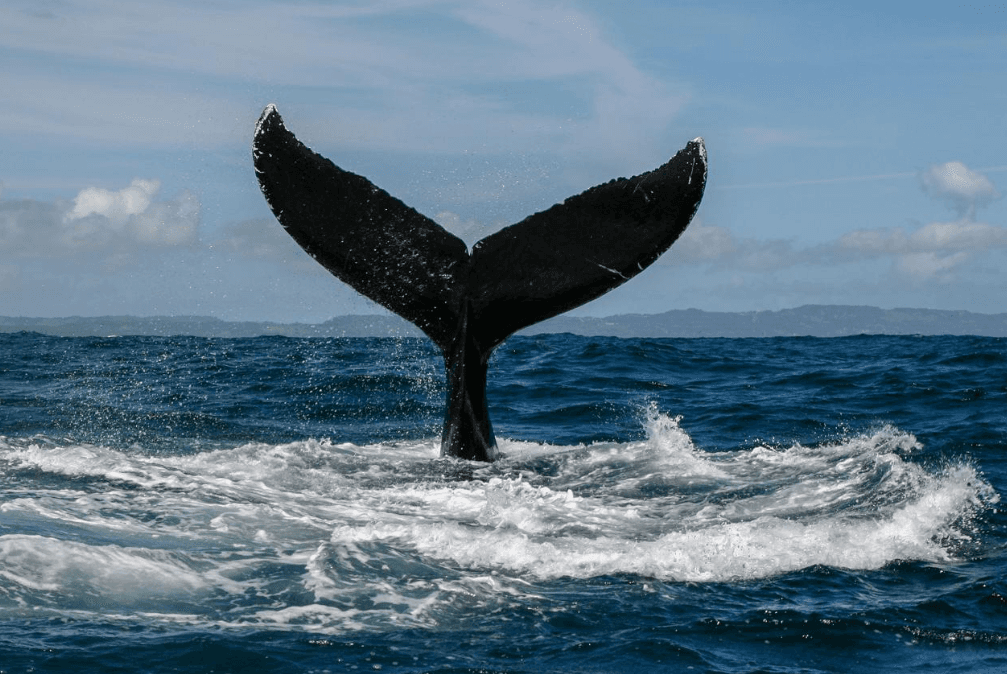
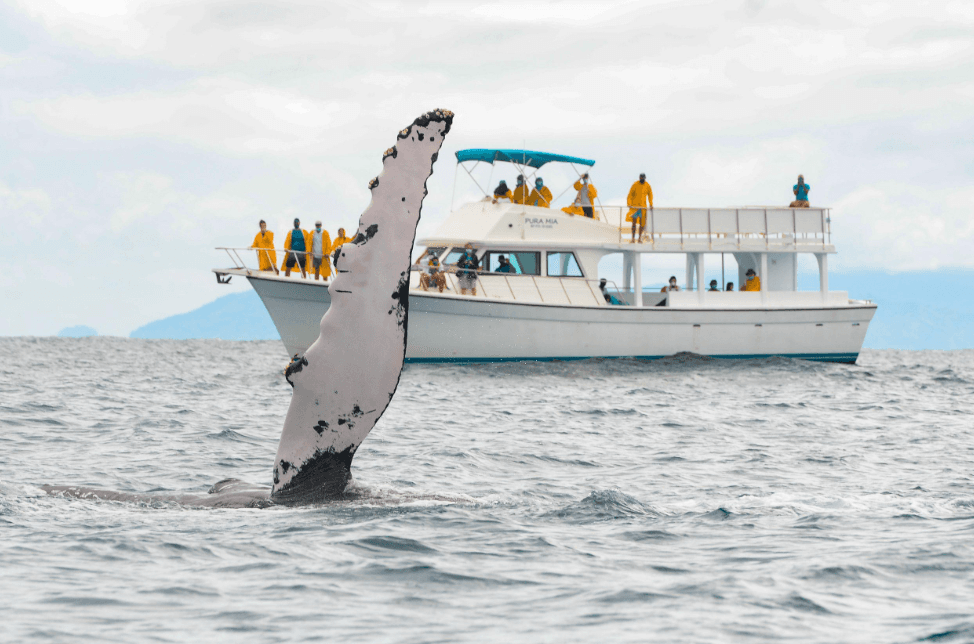
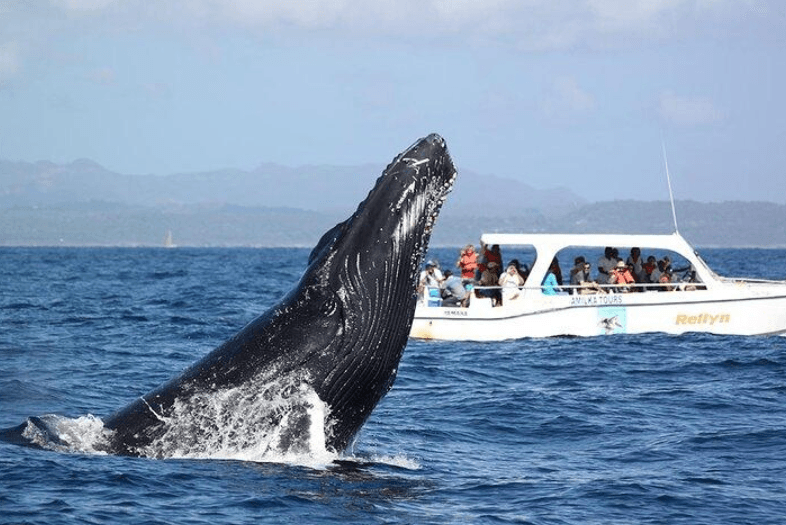
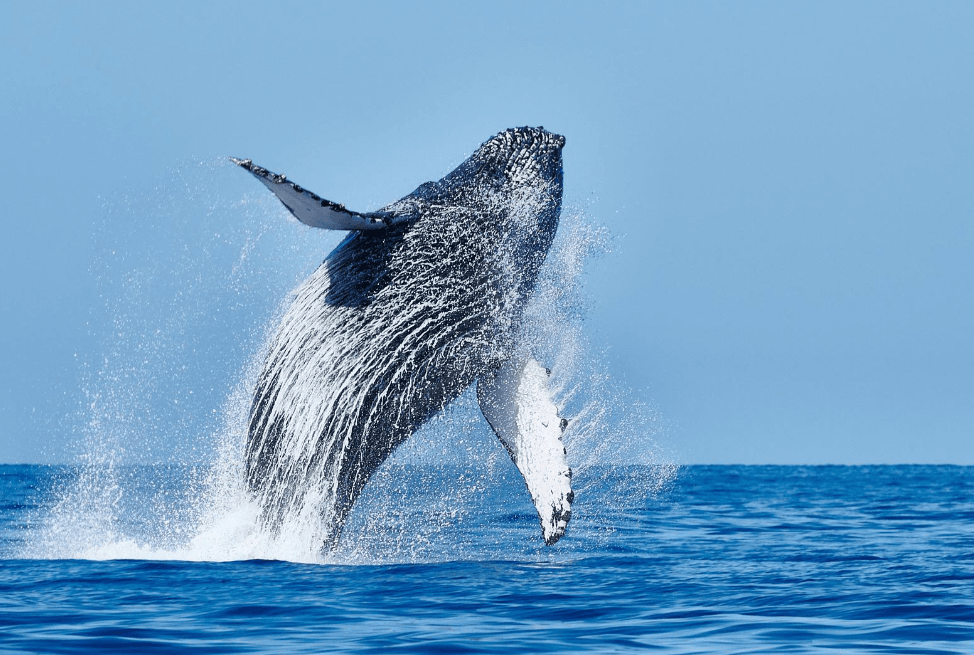
Planning a whale-watching trip in Samaná, Dominican Republic Packing the right items can make your boat excursion more comfortable, help you protect yourself from the tropical sun, and prepare you for an unforgettable wildlife experience.
Samaná Bay is known for seasonal humpback whale activity, particularly during the winter and early spring months. Whether you are visiting with family, traveling as a couple, or exploring the Dominican Republic independently, knowing what to bring before boarding can help you enjoy the experience without carrying unnecessary luggage.
This guide explains what to pack for whale watching in Samaná, what to wear, which items are useful on a boat, and what you can usually leave at your accommodation.
Quick Whale-Watching Packing Checklist
Before leaving for your excursion, review this essential checklist:
- Lightweight, comfortable clothing
- A light waterproof or wind-resistant jacket
- Sunscreen
- Sunglasses with secure straps
- A wide-brimmed hat or cap
- Drinking water, if permitted by your operator
- Motion-sickness medication, if appropriate for you
- A phone or camera with a secure strap
- A waterproof phone pouch or dry bag
- A small amount of cash for incidental expenses
- Any personal medication you may need
- A valid booking confirmation and identification, if required
Your exact needs depend on the weather, boat type, tour duration, and the operator's instructions. Confirm any restrictions before departure.
1. Wear Lightweight and Comfortable Clothing
Samaná has a tropical climate, so lightweight clothing is generally a sensible choice. Breathable shirts, comfortable shorts, lightweight trousers, or a casual dress can all work well, depending on your preferences.
However, conditions on the water can feel different from those on land. Wind, sea spray, cloud cover, and an early departure may make the boat feel cooler than expected.
Consider bringing:
- A breathable shirt
- Comfortable shorts or lightweight trousers
- A thin extra layer for breezy conditions
- A change of clothes if your itinerary includes other activities afterward
Avoid clothing that restricts movement or becomes uncomfortable when damp. If you plan to continue sightseeing after the trip, choose clothing that works for both the boat and your next stop.
2. Bring Sun Protection
Sun protection is one of the most important parts of preparing for a boat excursion in the Caribbean.
The reflection of sunlight from the water can increase your exposure, and you may spend several hours outdoors with limited shade.
Pack these essentials:
Sunscreen
Choose broad-spectrum sunscreen with an appropriate SPF and apply it according to the product instructions. Reapply as directed, particularly after sweating or getting wet.
Where possible, choose a product that is less harmful to aquatic environments, while remembering that no sunscreen should be assumed to be entirely impact-free.
Sunglasses
Polarized sunglasses can help reduce glare from the water and make it easier to see the surrounding seascape. A retaining strap is useful because a sudden movement or gust of wind can send glasses overboard.
Hat or cap
A hat provides additional protection for your face and head. A secure-fitting design or chin strap can help keep it in place when the boat is moving.
Light protective clothing
Long sleeves made from breathable fabric can provide extra coverage without requiring repeated sunscreen application to every exposed area.
3. Pack a Light Jacket or Windbreaker
Even in a tropical destination, the wind on a moving boat can feel cool. A lightweight windbreaker or water-resistant jacket is a useful addition, especially for morning departures or trips when the forecast suggests breezy conditions.
A bulky winter coat is generally unnecessary. Instead, choose something compact that fits easily into a small bag.
If rain is possible, ask your tour operator whether rain gear is recommended and whether the boat provides any protection from the weather.
4. Prepare for Motion Sickness
Boat movement can make some passengers feel nauseated, even if they rarely experience motion sickness on land.
If you are prone to seasickness, consider preparing before the excursion rather than waiting until symptoms begin.
Helpful steps may include:
- Eating a light meal if that suits your usual routine
- Drinking water and avoiding dehydration
- Following the instructions for any motion-sickness medicine you normally use
- Asking a pharmacist or healthcare professional about suitable medication if you are unsure
- Informing the crew if you begin to feel unwell
Some motion-sickness medicines cause drowsiness or have other precautions. Check the label and seek professional advice when needed, especially if you take other medication or have an underlying medical condition.
Do not assume that every boat has the same seating arrangement or motion characteristics. If motion sickness is a concern, ask the operator about the vessel and any available seating options before booking.
5. Protect Your Phone and Camera
Photographing humpback whales can be an exciting part of the experience, but water, spray, and sudden boat movement can put electronics at risk.
Before your trip, consider bringing:
- A fully charged smartphone or camera
- A secure wrist strap or camera strap
- A waterproof pouch or compact dry bag
- An extra battery or power bank, if permitted
- Enough free storage space for photos and videos
A phone pouch is especially useful when you want to keep your device accessible while reducing the risk of accidental splashes.
If you use a camera with a zoom lens, you may be able to capture distant whale activity without needing to approach the animals. Follow the crew's instructions and avoid distracting other passengers while photographing wildlife.
Most importantly, do not spend the entire excursion looking through a screen. Take a few photos, then enjoy watching the whales directly.
6. Carry Water and Small Personal Essentials
Depending on the tour length and operator's arrangements, you may want to bring drinking water and a few personal items.
Before packing food or drinks, check whether they are permitted and whether refreshments are already included.
Useful items may include:
- A reusable water bottle, if allowed
- Tissues
- Hand sanitizer
- Personal medication
- A small towel, if appropriate for your itinerary
- A compact dry bag for valuables
- A little cash for incidental purchases
Keep everything in a small, secure bag rather than carrying a large backpack that takes up limited space.
If you are visiting Samaná as part of a longer day trip, remember that your needs may extend beyond the boat excursion. Confirm whether transportation, meals, and additional stops are part of your itinerary.
7. Choose Footwear Carefully
Comfortable, secure footwear is preferable to shoes that slip off easily.
Depending on the vessel and boarding arrangements, suitable options may include lightweight sneakers, sandals with secure straps, or footwear recommended by your operator.
Avoid assuming that bare feet or a particular type of shoe will be permitted. Some boats have specific footwear requirements to protect passengers and maintain a safe deck.
If your excursion includes walking on a pier, beach, or other destination after whale watching, choose shoes that suit the entire itinerary.
8. What Should Families Bring?
Families traveling with children may need a few additional items.
Consider packing:
- Sun-protective clothing
- A well-fitting hat
- Child-appropriate sunscreen
- Water and snacks, if permitted
- Any necessary medication
- A secure bag for spare clothing
- Entertainment for waiting periods before boarding
Before booking, confirm the operator's child-age requirements, life-jacket arrangements, and safety policies. Ask whether the boat is suitable for your child's needs and whether facilities are available.
If you are traveling with a baby or toddler, discuss the trip's duration and conditions with the operator before deciding whether the excursion is appropriate.
9. What Should You Leave Behind?
Packing light helps keep the boat organized and reduces the risk of losing valuables.
Unless your operator specifically advises otherwise, consider leaving these items at your accommodation:
- Large suitcases
- Unnecessary valuables or expensive jewelry
- Loose items that could blow away
- Fragile electronics without suitable protection
- Large bags that take up seating or deck space
- Single-use plastic items you do not need
Never throw rubbish into the sea. Keep all waste in your bag until you can dispose of it properly on land.
Also avoid bringing drones or other equipment that may be restricted by local rules, the tour operator, or wildlife-protection requirements. Ask for permission before using any equipment that could disturb the animals or other passengers.
10. Pack With Responsible Whale Watching in Mind
The purpose of a whale-watching excursion is to observe wildlife without unnecessarily disturbing it.
Your packing choices can support a more responsible trip. Reusable items, secure equipment, and a small bag can reduce clutter and help prevent objects from falling into the water.
During the excursion:
- Follow the captain's and crew's instructions.
- Never attempt to touch or feed a whale.
- Do not throw food or rubbish into the sea.
- Keep your camera and other equipment secure.
- Avoid making unnecessary noise to attract wildlife.
- Respect the operator's rules about distance, approach, and viewing time.
Responsible behavior matters regardless of how close the whales appear or how good a photograph might be.
Before booking, ask whether the operator follows the applicable Dominican Republic wildlife-viewing rules and uses appropriately authorized vessels.
11. Check the Weather and Tour Instructions Before Departure
Your final packing list should reflect the conditions expected on the day.
Before leaving your hotel or accommodation, check the weather forecast and review the instructions provided by your tour operator.
Confirm the following details:
- Your departure time and meeting point
- The expected duration of the trip
- Whether drinking water or refreshments are provided
- Whether you should bring a towel or spare clothing
- Any restrictions on bags, food, or equipment
- Whether the operator recommends a jacket or rain protection
- The arrangements for children or passengers with mobility needs
Do not rely on a general packing list alone. The advice for a short excursion on one vessel may differ from the requirements for a longer trip or a tour combined with other activities.
Frequently Asked Questions
What should I wear for whale watching in Samaná?
Wear lightweight, comfortable clothing and secure footwear suitable for the boat. Bring sun protection and a light jacket or windbreaker in case the conditions are breezy.
Do I need sunscreen for whale watching?
Yes, sun protection is strongly recommended because you may spend an extended period outdoors with sunlight reflecting off the water. Use sunscreen as directed and combine it with sunglasses, a hat, and protective clothing.
Should I bring a camera?
A smartphone or camera can help you record the experience. Protect your equipment from water and secure it with a suitable strap. Always follow the crew's instructions when photographing wildlife.
Can I bring food and drinks on the boat?
Policies vary by tour operator. Ask in advance whether water, snacks, or other refreshments are included and whether outside food and drinks are permitted.
What if I get seasick?
If you are prone to motion sickness, plan ahead and discuss suitable preventive options with a pharmacist or healthcare professional. Check the operator's advice before departure and tell the crew if you feel unwell.
Do I need to bring a towel?
Not every whale-watching trip requires one. A towel may be useful if your itinerary includes swimming or a beach stop, but confirm the tour details before packing extra items.
Is whale watching in Samaná available throughout the year?
Humpback whale watching in Samaná is seasonal. The main viewing period generally falls during the winter and early spring, but exact dates, conditions, and excursion availability can vary. Check current local information before planning your trip.
Final Packing Checklist
Before boarding, make one final check:
- Comfortable clothing
- Light jacket or windbreaker
- Sunscreen
- Sunglasses and hat
- Secure footwear
- Water, if permitted
- Motion-sickness preparation, if needed
- Charged phone or camera
- Waterproof pouch or dry bag
- Personal medication
- Booking confirmation and required identification
You do not need to bring everything you own to enjoy whale watching in Samaná. A few well-chosen essentials can help you stay comfortable, protect your belongings, and focus on the experience.
With your packing complete, review your excursion details, follow your operator's instructions, and prepare to enjoy one of the Dominican Republic's memorable seasonal wildlife experiences.

Local explorer & expert guide in Visita Haitises.