What Happens If You Don’t See a Whale in Samaná Bay?
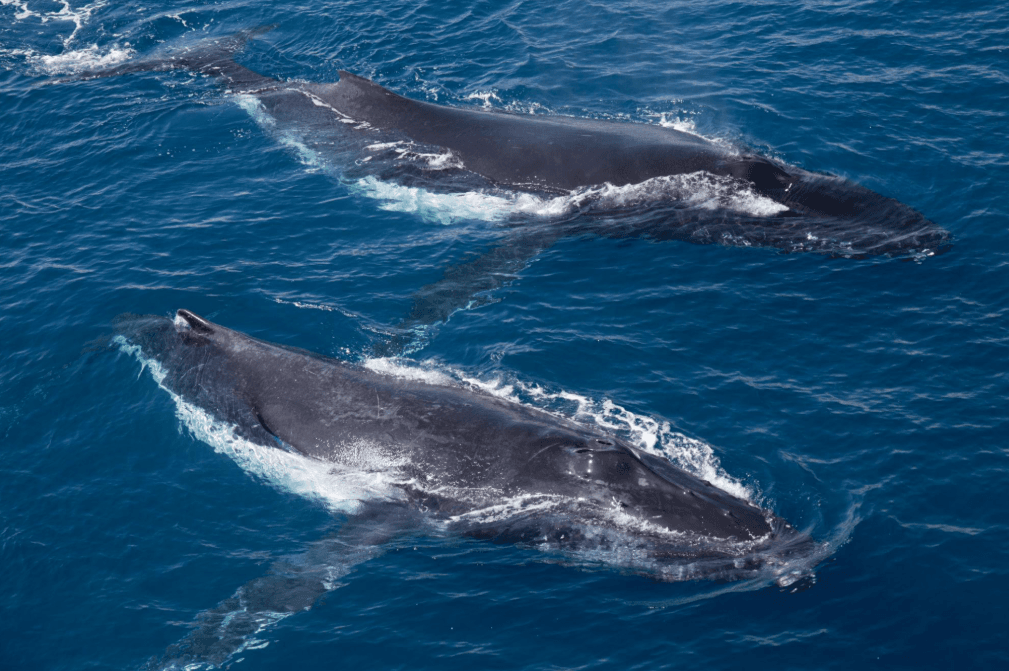
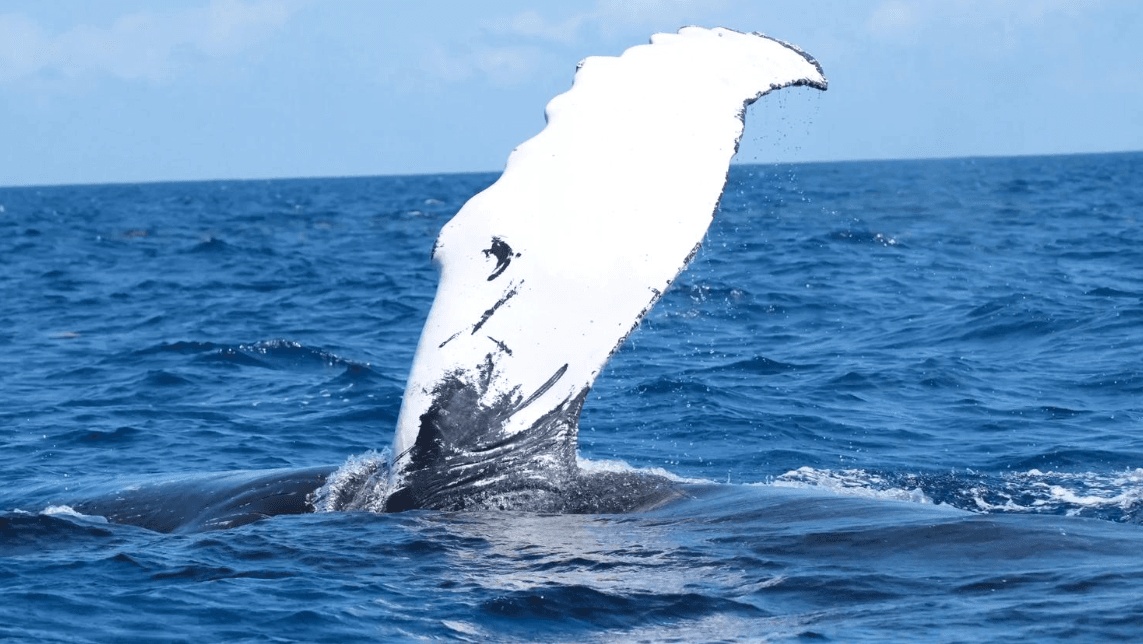
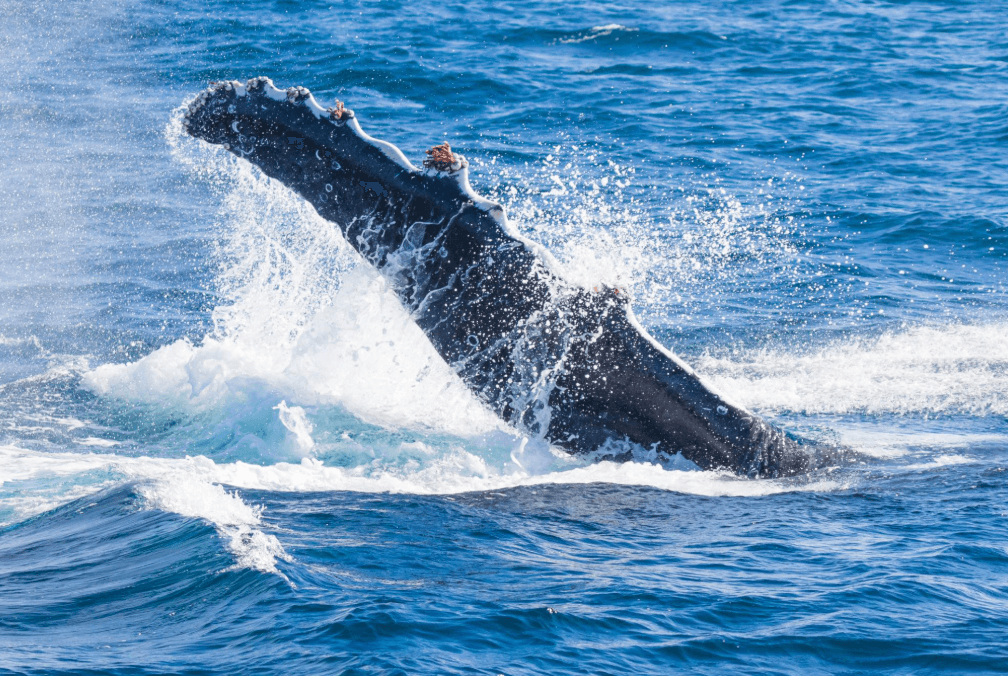
Whale watching in Samaná Bay, Dominican Republic, is an unforgettable experience for many travelers. During the seasonal migration, visitors head out onto the water hoping to see humpback whales surfacing, lifting their tails, or swimming with their calves.
But an important question deserves attention before booking: What happens if you don’t see any whales during your tour?
Although Samaná Bay is well known as a seasonal destination for humpback whales, sightings are never guaranteed. These are wild animals moving through a natural marine environment, and their location and behavior can change throughout the day.
Understanding what to expect, checking the operator’s sighting policy, and preparing for the trip can help you make an informed decision and enjoy the experience even if whales remain out of view.
Can You Have a Whale-Watching Trip Without Seeing Whales?
Yes. Even in a recognized whale-watching destination such as Samaná Bay, a tour can finish without a confirmed whale sighting.
Humpback whales do not follow a schedule designed around visitors. They move freely through the bay, and their movements depend on natural conditions and individual behavior.
Several factors can affect the likelihood of seeing them:
- Seasonal timing: Whale activity varies throughout the migration season.
- Location: Whales may be in another part of the bay when a boat reaches a particular area.
- Sea conditions: Wind, waves, and visibility can make it more difficult to locate or observe whales.
- Natural behavior: Whales may remain underwater for periods of time or surface outside the boat’s viewing area.
- Daily variation: A location that produces sightings on one trip may not produce the same results on another.
A trip without a sighting does not automatically mean the operator made a mistake. Wildlife observation always involves uncertainty.
When Is the Best Time to Improve Your Chances?
Samaná Bay is particularly famous for its humpback whale migration during the winter and early spring months. The main viewing season generally runs from January through March, although the broader migration period can extend beyond those months.
Many travelers plan their visits during the heart of the season because humpback whales are regularly present in Dominican waters during this period.
However, there is no single date that guarantees a sighting. Even during a busy migration period, individual trips can have different outcomes.
When choosing a travel date, consider these practical steps:
- Prioritize the main migration season. This gives you a better opportunity to visit when humpback whales are regularly found in the area.
- Ask a local operator about recent sightings. Recent reports can provide useful context, but they are not a promise of future encounters.
- Allow flexibility in your itinerary. If your schedule permits, having another possible excursion date may give you more options.
- Check the forecast and departure arrangements. Weather and sea conditions can affect whether a tour operates as planned.
The goal is to make a well-informed choice rather than expect certainty from a wild animal encounter.
What Should You Check Before Booking a Tour?
One of the most useful ways to prepare is to understand the operator’s policy for trips when no whales are seen.
Different tour companies may handle this situation differently. Some may offer a return trip under specified conditions, while others may not provide a replacement excursion or refund. Never assume that every company follows the same policy.
Before paying, ask the operator these questions:
- What counts as a confirmed whale sighting?
- Is a repeat trip offered if no whales are seen?
- If a return trip is available, how soon must it be used?
- Does the policy depend on availability or the original booking type?
- Is a refund offered, or is the only option a replacement trip?
- What happens if weather prevents the excursion from operating?
Ask for the policy in writing, especially if the possibility of a repeat trip is important to your travel plans.
Also, distinguish between a trip that operates but produces no sightings and a trip canceled because of unsafe weather. These are different situations and may be covered by different booking terms.
What Can You Do If No Whales Appear?
If your boat does not locate a whale, the best response is to follow the guide’s instructions and enjoy the rest of the excursion where possible.
Samaná Bay is a marine environment, not a wildlife performance venue. Depending on the route and conditions, you may still appreciate the surrounding coastline, open water, changing scenery, and the experience of being at sea.
You can make the most of the trip by:
- Listening to the guide’s explanations about humpback whale migration and conservation.
- Observing the coastline and the wider marine environment.
- Learning how responsible whale-watching practices protect wildlife.
- Taking landscape photographs when conditions allow.
- Asking your guide what signs they look for when searching for whales.
Other wildlife may be present, but sightings of dolphins, seabirds, or other animals should not be expected as guaranteed substitutes.
It is also important not to pressure the captain or guide to approach areas in an unsafe way simply to produce a sighting. Responsible operators should prioritize safety and appropriate wildlife-viewing practices.
Should You Book Another Tour If You Don’t See a Whale?
A second excursion may be worth considering if seeing a humpback whale is one of your main reasons for visiting Samaná.
Before booking again, review what happened during the first trip. Was the excursion conducted during the main migration season Were conditions difficult Did the operator report recent sightings Are there other suitable departure dates?
A repeat trip can provide another opportunity, but it cannot guarantee success.
Check the cost of an additional excursion and whether the operator offers a documented no-sighting policy. If you have limited time, consider how another trip fits with your other travel plans.
If you have flexibility, scheduling whale watching early in your stay may leave more room to consider another departure later. This is a planning strategy, not a guarantee that a second trip will produce a sighting.
Does a No-Sighting Trip Mean the Tour Was Bad?
Not necessarily.
A whale-watching tour should be evaluated using more than the final sighting result. Consider whether the operator communicated clearly, followed safety procedures, respected wildlife-viewing guidelines, and provided the service described at booking.
A professional crew can make responsible decisions and conduct a well-managed excursion even when whales are not found.
On the other hand, a lack of sightings does not excuse misleading advertising, unsafe conduct, or failure to honor the company’s stated booking terms.
When reviewing an operator, look for transparent policies, realistic descriptions of the experience, and clear information about what is and is not included.
How Can You Prepare Emotionally for an Uncertain Wildlife Encounter?
It is natural to feel disappointed if you travel to Samaná hoping to see a humpback whale and return without a sighting.
One helpful approach is to treat the excursion as an opportunity to observe nature rather than a guaranteed attraction. You can be excited about seeing whales while accepting that wildlife encounters remain unpredictable.
Before departure, decide what matters most to you. Perhaps your main goal is to photograph a whale, learn about migration, experience the bay, or take part in a responsible wildlife excursion.
Having realistic expectations can help you appreciate the trip without minimizing the disappointment of missing the animal you hoped to see.
If you are traveling with children, explain beforehand that whales are wild and may not appear. This can help everyone understand why the guide cannot promise a sighting.
Frequently Asked Questions
Are whale sightings guaranteed in Samaná Bay?
No. Samaná Bay is a well-known seasonal habitat for migrating humpback whales, but no responsible operator can guarantee that wild whales will be seen on every departure.
Can I get my money back if no whales are seen?
That depends on the operator's written booking policy. Some companies may offer a repeat trip under certain conditions, while others may not offer a refund or replacement for a trip that operates without sightings. Confirm the terms before booking.
Is it better to book early in the whale-watching season?
The best choice depends on your travel dates and the seasonal migration. January through March is generally a popular period for whale watching in Samaná, but sightings can vary from day to day.
Should I choose the cheapest whale-watching tour?
Price is only one factor. Compare safety arrangements, the operator’s reputation, what is included, group size, cancellation terms, and the policy for trips without sightings.
Can I book a second trip if I don't see whales?
Possibly. You can ask the operator about another departure, but availability and additional costs may apply. A second trip offers another opportunity rather than a guarantee.
What should I bring if whale sightings are uncertain?
Bring sun protection, drinking water, suitable clothing, and any recommended motion-sickness preparation appropriate for you. A camera or binoculars may also be useful. Follow the operator’s packing guidance and safety instructions.
Final Thoughts
Not every whale-watching trip in Samaná Bay ends with a humpback whale sighting. Migration patterns, location, sea conditions, and the natural behavior of wild animals all influence what visitors may see.
You can improve your planning by traveling during the main migration season, checking recent local reports, choosing a responsible operator, and understanding the no-sighting policy before booking.
Most importantly, remember that whale watching is a wildlife experience, not a guaranteed performance. With realistic expectations and a little flexibility, you can make a more informed decision and appreciate the opportunity to explore one of the Dominican Republic’s best-known marine destinations.
Planning a whale-watching trip to Samaná? Compare tour details carefully, ask about sighting policies, and choose an excursion that puts safety and responsible wildlife observation first.

Local explorer & expert guide in Visita Haitises.