How Do Scientists Determine Whether Humpback Whales Use the Same Breeding Areas in Different Years?
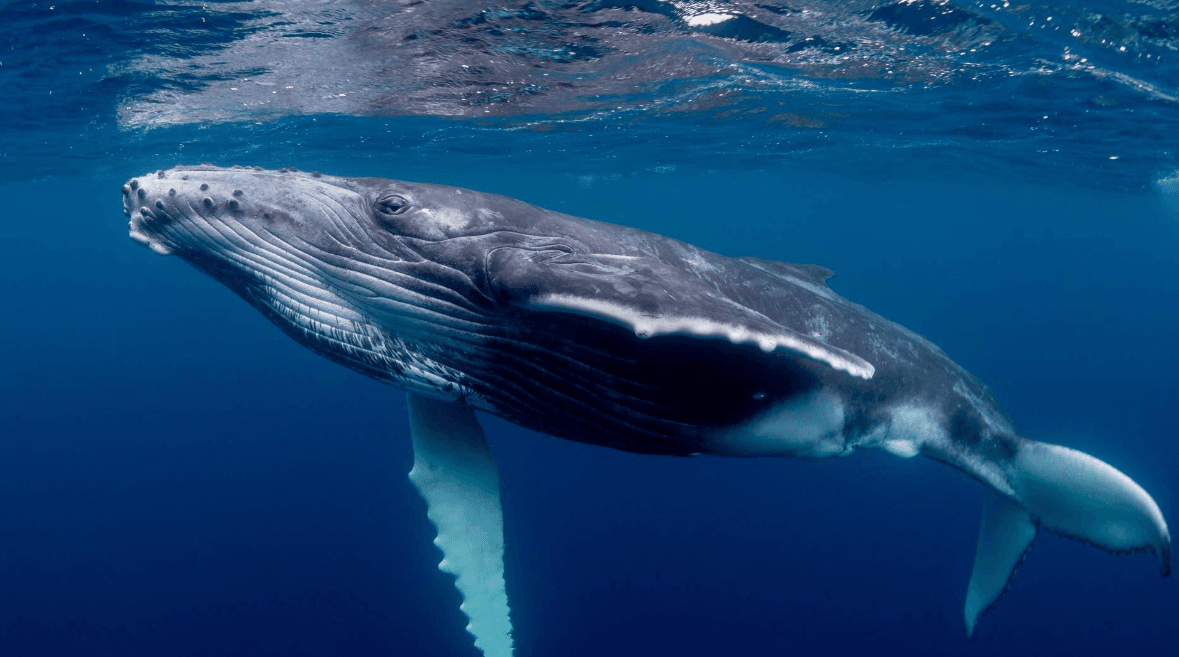
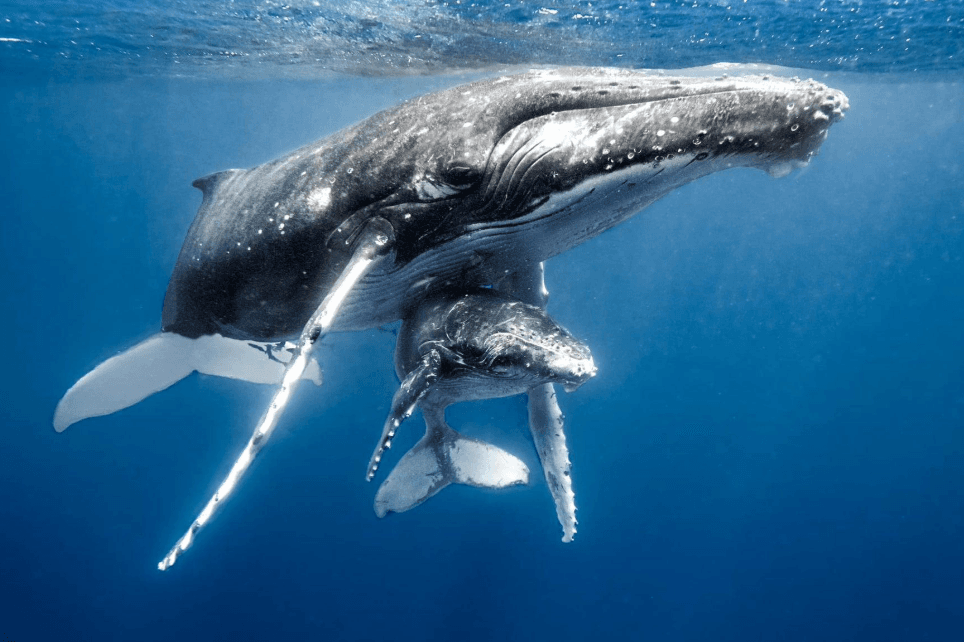
Samaná Bay in the Dominican Republic is an important destination for seasonal humpback whale watching. During the North Atlantic winter, humpback whales visit Caribbean waters, where researchers and visitors may observe them near the coast and throughout the surrounding marine environment.
An important question for marine scientists is whether individual whales return to the same breeding areas year after year. Understanding this pattern can help researchers investigate habitat use, migration, and the importance of particular regions to humpback whales.
Scientists study this behavior through long-term observations, photo-identification, location records, and comparisons between breeding seasons. The process requires careful interpretation because failing to observe a whale in a particular year does not necessarily mean it did not return.
What Is Site Fidelity in Humpback Whales?
Site fidelity describes an animal's tendency to return to or repeatedly use a particular geographic area.
For humpback whales, researchers may investigate whether individuals revisit the same broad breeding region, such as the Caribbean, or return to a more specific location within that region.
These are different levels of geographic fidelity. A whale may return to the Caribbean without being recorded in the same bay, coastal area, or observation zone.
Scientists therefore need to define the geographic scale of their research before comparing sightings.
Site fidelity is useful to investigate because recurring use of a breeding area may indicate that the location plays a consistent role in a whale's seasonal movements. However, observing a whale in the same region in two different years is evidence of return, not proof that it used exactly the same route or location throughout either season.
How Do Scientists Recognize the Same Whale in Different Years?
The first challenge is establishing that the whale observed in one season is the same individual photographed in another.
Photo-identification
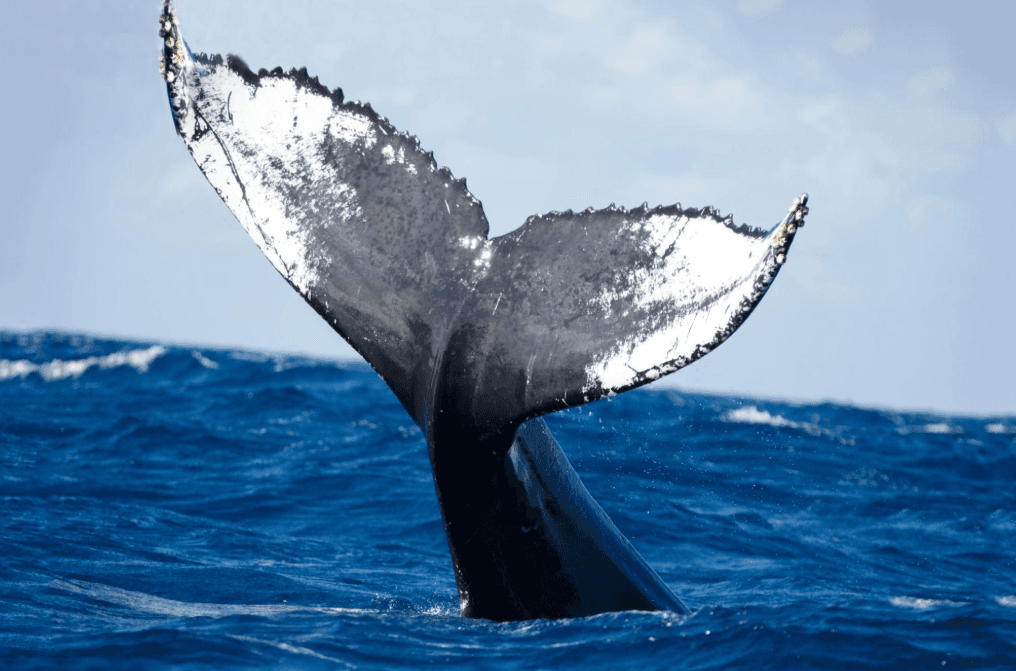
Humpback whales often have distinctive patterns of pigmentation and scarring on the underside of their tail flukes. Researchers photograph these markings and compare them with images in identification catalogs.
When a photograph provides sufficient detail, scientists may match it to an individual recorded during an earlier season.
A reliable match allows researchers to connect sightings across time without needing to follow the whale continuously.
Identification quality
Not every photograph supports a confident match. The tail fluke may be partly submerged, the image may be blurry, or lighting may obscure important markings.
Researchers must account for uncertain matches and avoid treating an unidentified whale as a confirmed return.
Supporting identification details
Depending on the research program, scientists may also consider other visible features, such as distinctive scars or pigmentation patterns. These details can help support an identification when used according to a consistent protocol.
The reliability of the final result depends on the quality of the evidence and the methods used to verify individual matches.
How Are Sightings Compared Between Breeding Seasons?
Once individual whales have been identified, researchers can organize their records by season and geographic location.
A typical dataset might contain:
- Individual whale identification numbers
- Dates of sightings
- Locations or survey areas
- Photograph quality and identification confidence
- Survey effort and observation conditions
- The number of occasions each individual was detected
Researchers can then compare records from different years.
For example, imagine that Whale A is photographed in Samaná Bay during one breeding season and identified again in the same bay two years later. This provides evidence that the individual returned to the area, assuming both identifications are reliable.
If Whale B is recorded in the wider Caribbean but not in Samaná Bay during the later season, researchers cannot automatically conclude that Whale B stopped using the bay. The whale may have been present but undetected, or it may have used a different part of the region.
This distinction is essential when interpreting long-term sighting records.
How Do Scientists Measure Return Patterns?
Researchers can use several approaches to describe whether whales revisit breeding areas.
Return rate
A return rate describes the proportion of previously identified whales that are documented again in a later period, according to the study's defined criteria.
The result depends on which individuals are included, the length of the observation period, and whether researchers account for the probability of detecting a returning whale.
A simple percentage based on photographs alone may underestimate the number of whales that returned but were not identified.
Time between sightings
Scientists can measure the interval between confirmed sightings of an individual. This helps establish when a whale was documented in the study area again.
However, the time between sightings is not necessarily the time between visits. A whale might have entered the area earlier or remained longer than the available records indicate.
Geographic consistency
Researchers can compare the locations associated with repeated sightings. They might examine whether individuals return to the same bay, use nearby coastal areas, or appear across a wider geographic region.
The conclusions depend on the accuracy of the location records and the geographic resolution of the study.
Long-term trends
Data collected across multiple seasons can help researchers examine whether return patterns remain consistent over time. Larger datasets may also help distinguish individual variation from broader population patterns.
These methods should be interpreted in the context of survey effort and uncertainty rather than as exact measures of every whale's movements.
Why Can a Returning Whale Be Difficult to Detect?
A whale may return to a breeding area without appearing in a research database for that season.
Several factors can explain this gap.
Limited survey coverage: Research vessels may visit only certain parts of the bay or operate on selected days.
Weather and sea conditions: Rough water, glare, and poor visibility can make whales difficult to observe or photograph.
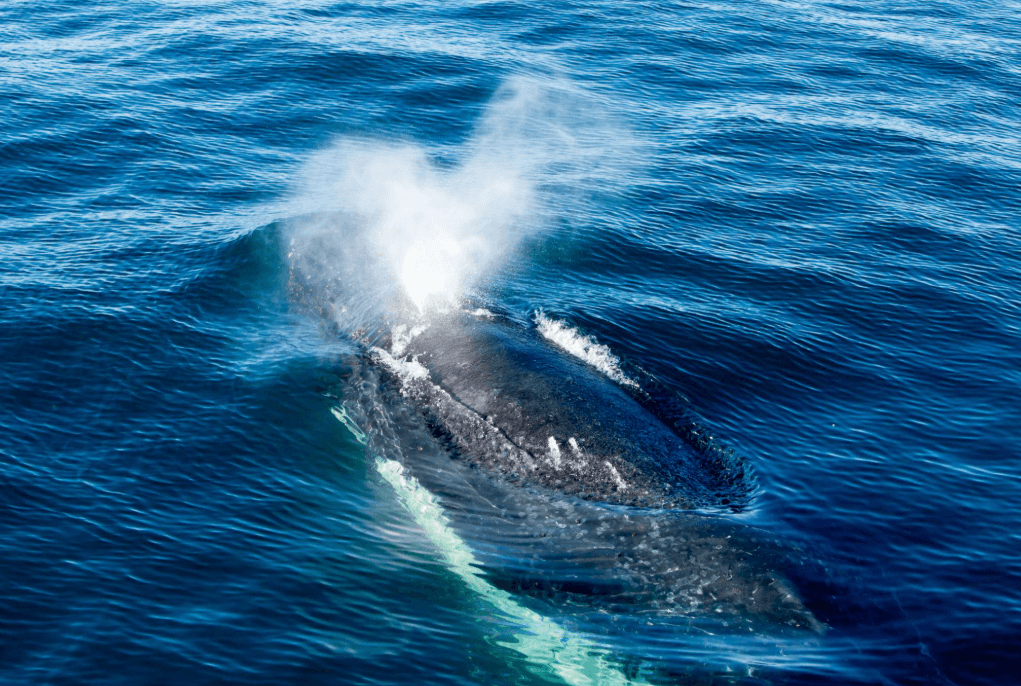
Time spent underwater: Whales are not continuously visible at the surface, so observers may miss individuals even in surveyed areas.
Movement within the region: A whale may use another part of the breeding region during a particular survey period.
Photo quality: An encounter may be recorded without producing an image suitable for individual identification.
Unequal observation effort: Some seasons may receive more survey hours or cover more locations than others.
For these reasons, researchers distinguish between a whale that was not detected and one that is known to have been absent. In many observational studies, absence cannot be confirmed from missing records alone.
How Do Scientists Account for Unequal Research Effort?
Comparisons between years become more reliable when researchers consider how much searching was conducted during each period.
Imagine that a research team photographed 100 identifiable whales during a season with extensive survey coverage, but only 40 during a season with fewer trips. The lower number does not necessarily indicate that fewer whales visited the region.
Scientists may account for differences by documenting survey hours, routes, conditions, and the number of usable photographs. Depending on the dataset, they may use statistical methods designed to account for imperfect detection.
These methods help researchers distinguish a change in the observed records from a possible change in actual whale use.
The appropriate approach depends on the research design, and no statistical method can fully compensate for data that are too incomplete to support the intended conclusion.
Does Returning to the Same Breeding Area Mean a Whale Has a Permanent Home There?
No. Humpback whales are migratory animals, and their use of a breeding area is part of a broader seasonal movement pattern.
A whale documented in Samaná Bay during successive breeding seasons may spend other parts of the year in different regions. The bay should not be interpreted as its permanent residence simply because it returns there.
Similarly, a whale may use more than one breeding area over time. A single sighting location cannot reveal its entire migration route.
Understanding these patterns may require photo-identification comparisons across regions, coordinated research programs, and other suitable tracking methods.
Why Does Breeding-Area Fidelity Matter for Conservation?
Knowing which areas individual whales repeatedly use can help researchers assess the importance of particular habitats.
If reliable long-term data show recurring use of an area, scientists may investigate whether activities such as vessel traffic, underwater noise, habitat disturbance, or other pressures could affect whales that return there.
Repeated use does not automatically mean that an area is indispensable to every individual. However, evidence of consistent use can help inform regional monitoring and conservation planning.
Responsible whale watching also matters. Operators should follow applicable regulations and guidance, maintain appropriate distances, and avoid pursuing or disrupting whales to obtain photographs.
What Can Visitors Learn From Whale Sightings in Samaná Bay?
Visitors may see several whales during a trip, but visual similarity alone cannot establish that they have seen the same individuals in previous years.
Researchers use identification photographs and systematic records to establish individual identity and compare sightings across seasons.
A whale returning to the same area can be an interesting example of seasonal habitat use, but determining how frequently this happens requires evidence collected over time.
For visitors, understanding the research process makes whale watching more meaningful: a sighting is not only an encounter with a remarkable animal but can also contribute to scientific knowledge when recorded responsibly by an appropriate research program.
Frequently Asked Questions
Do humpback whales return to Samaná Bay every year?
Humpback whales seasonally visit the Samaná region, but individual whales do not necessarily return every year or get detected during every visit. Individual return patterns must be established using reliable records.
How can scientists tell if a whale has returned after several years?
Researchers compare distinctive tail-fluke markings and other suitable identifying features with photographs from earlier seasons. A confident match can establish that the same individual was observed again.
Does a missing sighting mean a whale did not return?
No. The whale may have been present but missed because of limited survey coverage, poor visibility, movement to another area, or unsuccessful photo-identification.
Can a whale return to a different breeding area?
Researchers can investigate this possibility by comparing individual identification records across locations. A sighting in one region does not establish that a whale uses only that region.
Why are multiple years of data important?
Long-term records help researchers distinguish isolated sightings from recurring patterns and investigate how individual whales use breeding habitats over time.
Conclusion
Scientists determine whether humpback whales use the same breeding areas in different years by comparing reliable individual identifications, sighting dates, geographic records, and survey information across seasons.
The strongest conclusions account for differences in observation effort and the possibility that returning whales go undetected. Researchers must also distinguish a return to a broad region from repeated use of one specific location.
For Samaná Bay, long-term monitoring can help build a clearer picture of humpback whale habitat use and inform conservation efforts. Careful identification and transparent reporting ensure that conclusions reflect the available evidence rather than assumptions about where an unseen whale may have been.

Local explorer & expert guide in Visita Haitises.