Why Does the Ocean Sometimes Look Smooth During Whale Watching in Samaná Bay?
During a whale-watching trip in Samaná Bay, Dominican Republic, visitors may notice something unexpected: one section of the ocean appears almost glassy, while the surrounding water has small waves and ripples.
These contrasting patterns can make the sea look as though it has different textures in neighboring areas. For travelers hoping to observe humpback whales, the change may raise questions. Does smooth water indicate that a whale is nearby Is it caused by a current, a change in wind, or something happening beneath the surface?
There is no single explanation for every smooth patch. Wind, wave patterns, currents, and other local conditions can influence the appearance of the ocean. Understanding these possibilities helps whale watchers appreciate the changing seascape without assuming that a particular water pattern guarantees a sighting.
What Is a Smooth Patch of Ocean Water?
A smooth patch is an area where the water surface appears less disturbed than the water around it. Instead of displaying numerous small ripples, it may look relatively flat or reflective.
The difference can be especially noticeable when sunlight reflects off the sea. A smooth area may appear brighter, darker, or more mirror-like depending on the viewing angle and lighting conditions.
These patches do not necessarily represent a different body of water or a major change in depth. They can develop because the forces acting on the ocean surface vary from place to place.
During a whale-watching excursion, these differences are a reminder that the ocean is constantly changing, even when the boat remains in the same general area.
How Does Wind Affect the Appearance of the Sea?
Wind is one of the important factors influencing small-scale surface patterns.
When wind transfers energy to the water, it helps generate waves and ripples. If the wind is uneven across an area, some sections of the sea may become more textured than others.
A sheltered patch or an area temporarily experiencing less wind may appear smoother than the surrounding water. Changes in wind direction can also alter the pattern of ripples over time.
This does not mean that every smooth patch is caused by a lack of wind. Other factors can contribute, and surface patterns may change before an observer can identify their source.
For whale watchers in Samaná Bay, wind conditions matter because they influence not only the appearance of the water but also how easily visitors can see marine wildlife.
Can Ocean Currents Create Different Surface Patterns?
Currents move water from one place to another and can interact with waves, wind, and surrounding water masses.
Where water movements meet or change direction, the surface may develop contrasting patterns. In some circumstances, these interactions can contribute to areas that look smoother or more disturbed than their surroundings.
However, the appearance of the surface alone does not reveal exactly what a current is doing beneath it. Determining the cause may require information about local conditions that cannot be obtained simply by looking from a boat.
This is why it is best to treat smooth patches as visible features of the seascape rather than as definitive evidence of a particular underwater process.
Does Smooth Water Mean a Humpback Whale Is Nearby?
Not necessarily.
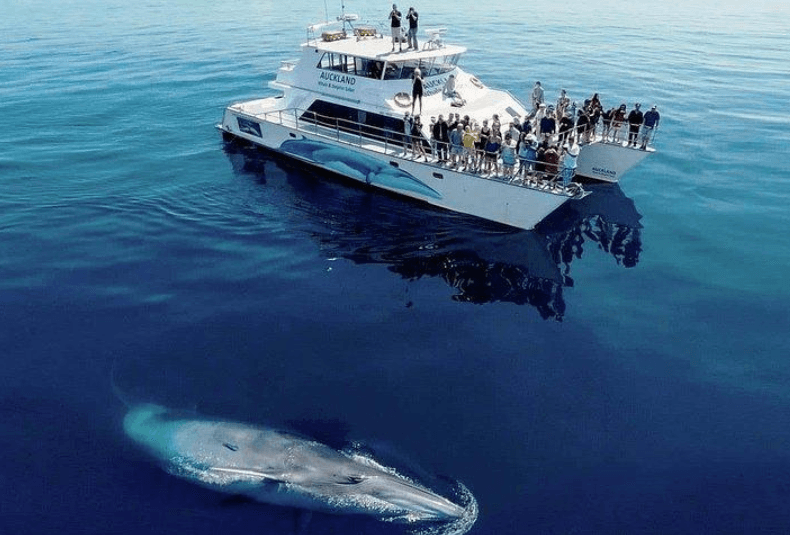
Humpback whales may swim through areas where the water appears smooth, but a smooth patch is not a dependable sign that a whale is present. Similar patterns can form when no whale is nearby.
Whale watchers should distinguish between observing the ocean and confirming a wildlife sighting. A relatively smooth surface may make it easier to notice certain movements, but it does not identify their source.
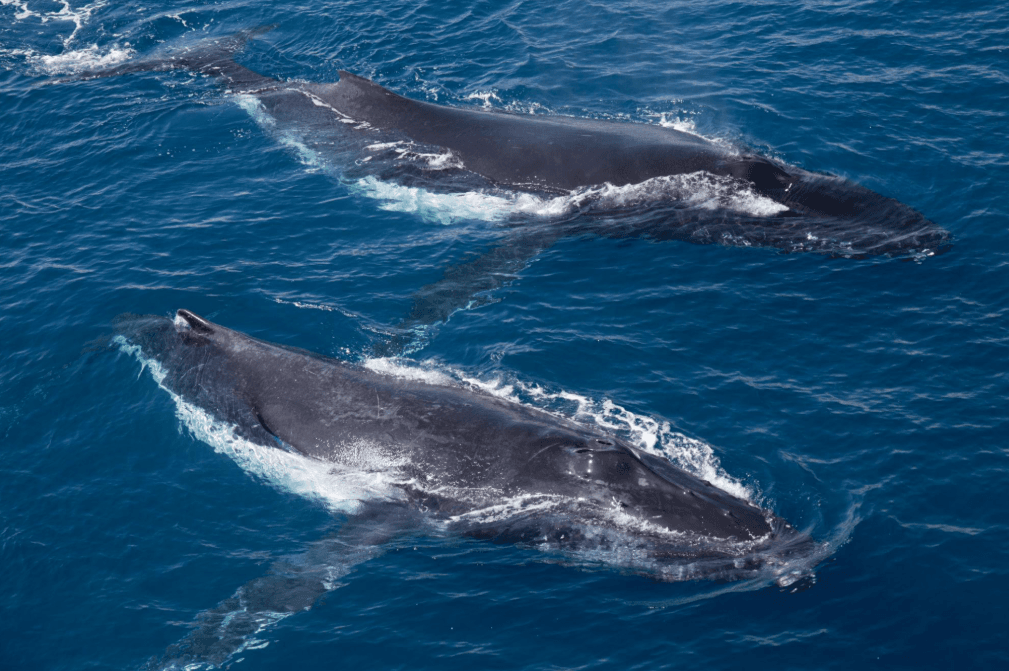
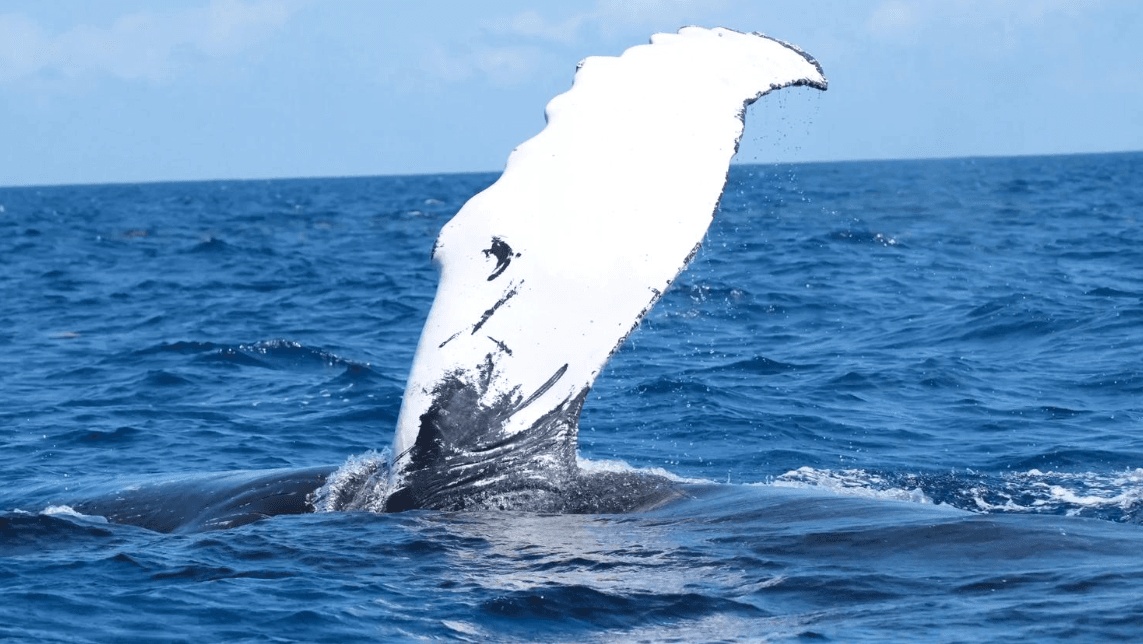
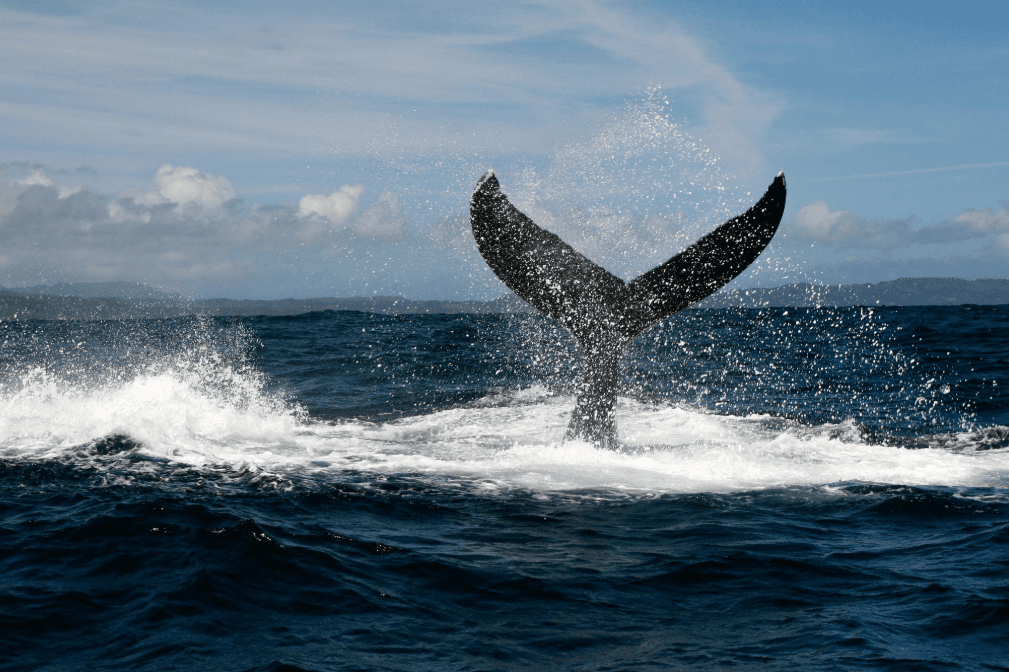
If a whale surfaces nearby, visitors may see recognizable features such as its back, dorsal fin, blow, or tail fluke. These observations provide more direct evidence than the appearance of the water alone.
Guides can help passengers interpret what they see, although even experienced observers cannot predict every whale's location or next movement.
Why Can Smooth Water Be Easier to Observe?
When the surface is relatively calm, small changes may stand out more clearly against the background.
For example, a visible disturbance or a moving object may be easier to notice on smooth water than on a surface covered with overlapping waves. Reflections may also make the boundaries between smooth and textured areas more apparent.
Nevertheless, smooth water does not automatically mean better whale watching. Visibility depends on several conditions, including the distance to the animal, lighting, glare, and how much of the whale remains underwater.
In some circumstances, a bright reflection on calm water can make it harder to see what lies beneath the surface. Observers should therefore consider the overall viewing conditions rather than assuming that a smooth sea is always ideal.
How Does Sunlight Change the Appearance of Smooth Water?
Light plays a major role in how visitors perceive the ocean surface.
When the water is relatively smooth, it may reflect the sky or the sun in a more uniform pattern. Depending on the angle, the surface can appear silver, deep blue, or almost mirror-like.
Small waves break up these reflections, creating a more textured appearance. As the boat changes direction or the sun moves relative to the observer, the same patch of water may look different.
These visual changes can be striking during a whale-watching trip. However, brightness and reflection should not be confused with water depth or evidence of marine animals.
If glare makes it difficult to see the surface, adjusting your viewing angle and following your guide's directions may help.
What Should Whale Watchers Do When They Notice Smooth Water?
A smooth patch can be an interesting feature to observe, but it should not distract visitors from the wider environment.
Here are some useful tips for your trip:
- Look at the surrounding water: Compare the smooth patch with nearby areas to see how the surface pattern changes.
- Check the wind: Notice whether the wind seems to be affecting different sections of the sea.
- Pay attention to the light: Reflections can change the apparent color and texture of the water.
- Watch for direct wildlife evidence: Look for a blow, a visible body part, or another recognizable sign of a whale.
- Ask your guide: The guide may be able to explain local conditions or point out a relevant observation.
- Keep your expectations realistic: Smooth water is not a reliable predictor of a humpback whale sighting.
The goal is to observe carefully without assigning a cause that the available evidence cannot establish.
Do Smooth Water Conditions Affect the Whale-Watching Experience?
They can affect what visitors see, but the impact varies.
A relatively calm surface may make some movements easier to distinguish, while reflections can make other details more difficult to see. If wind increases, small waves may obscure subtle surface changes.
The boat's position, the distance to a whale, and the animal's behavior also influence the experience. Even excellent surface conditions cannot guarantee that a whale will appear.
Samaná Bay is a well-known seasonal destination for observing North Atlantic humpback whales, particularly during their winter breeding and calving period. Each trip remains a wildlife experience, however, and conditions can differ from one day to another.
Visitors who appreciate both the whales and the changing ocean environment can find value in the journey even during quieter periods.
Frequently Asked Questions
Why does one area of the sea look smoother than another?
Differences in wind, waves, currents, and other local conditions can produce contrasting surface patterns. The appearance alone may not reveal the exact cause.
Do smooth patches indicate whales swimming underwater?
Not reliably. A whale can swim beneath smooth water, but similar patches form for many reasons unrelated to whales.
Is smooth water always better for whale watching?
No. Calm conditions may make some movements easier to notice, but glare and reflections can reduce visibility. The quality of a sighting depends on multiple factors.
Can wind make smooth water disappear?
Yes. When wind creates additional ripples and waves, a previously smooth-looking patch may become more textured. The timing and extent of the change depend on local conditions.
Should I take photographs of smooth water during a whale-watching trip?
You can, especially if the contrast between smooth and rippled areas is visually interesting. For wildlife photography, however, keep watching the surrounding area and follow your guide's instructions.
Conclusion
Smooth patches on the ocean are a natural part of the changing seascape in Samaná Bay. Differences in wind, waves, currents, and sunlight can all influence how the surface looks from a whale-watching boat.
Although calm-looking water may affect how easily visitors notice certain movements, it does not reliably indicate that a humpback whale is nearby. Direct observations and guidance from experienced tour operators are more useful when interpreting a possible sighting.
By paying attention to the ocean without assuming that every pattern has a specific meaning, visitors can develop a deeper appreciation for the marine environment that makes Samaná Bay such a memorable whale-watching destination.

Local explorer & expert guide in Visita Haitises.