Río Celeste Tubing – Guided Adventure with Natural Pools
5.0(50)
Від
Деталі$48
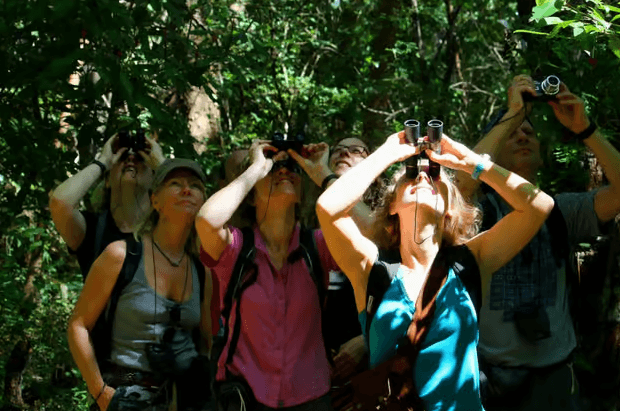
San José Walking Nature Tour with Sloths, Birds and Trees San José may be Costa Rica’s bustling capital, but beyond its busy streets, historic buildings, cafés, and city neighborhoods lies a surprisingly wild side waiting to be discovered. On this San José Walking Nature Tour with Sloths, Birds and Trees, travelers can step into a peaceful green environment and experience Costa Rica’s remarkable biodiversity without traveling deep into the countryside. This relaxing San José nature tour takes you through lush green areas around the University of Costa Rica campus, where tropical trees create an urban refuge for wildlife. Accompanied by a knowledgeable local biologist guide, you’ll explore trails and gardens while looking for wild sloths, colorful birds, butterflies, insects, tropical plants, and other signs of life hidden among the vegetation. What makes this experience especially memorable is its setting. You do not need to spend hours traveling from the capital to experience Costa Rica’s famous wildlife. Instead, you can discover an ecosystem thriving surprisingly close to the center of San José. During approximately 2.5 hours of easy walking, your guide helps you understand the relationship between wildlife, vegetation, people, and the city. The experience is not simply about finding animals. It is an opportunity to slow down, observe carefully, learn about Costa Rican ecology, and appreciate how urban green spaces can provide essential habitats for native and migratory species. And, of course, there is the excitement of looking into the treetops and discovering a sloth peacefully resting among the branches. Whether you are visiting San José for a short city break, beginning a longer Costa Rica adventure, traveling with children, or simply looking for an authentic wildlife experience without a demanding hike, this guided nature walk offers a refreshing way to connect with the natural side of the capital. San José is often the starting point for travelers exploring Costa Rica. Many visitors arrive in the capital before continuing toward national parks, cloud forests, beaches, volcanoes, or rainforest destinations. Yet it is easy to overlook the biodiversity that exists within the city itself. The San José Walking Nature Tour reveals a different perspective of the capital. Instead of experiencing the city only through museums, markets, restaurants, and architecture, you will explore one of its valuable green spaces and discover how nature continues to thrive alongside urban life. The University of Costa Rica campus provides an unexpectedly tranquil setting for this experience. Its vegetation, mature trees, gardens, and green corridors create opportunities for wildlife to move, feed, shelter, and reproduce. As you walk beneath the canopy, the atmosphere can feel remarkably different from the streets outside. The sounds of traffic gradually become less important as you begin listening for birds, watching branches for movement, and noticing insects and butterflies among the plants. Your biologist guide transforms these observations into a deeper experience. A tree is no longer simply a tree. It becomes part of a larger ecosystem. A bird call becomes a clue. A patch of flowers becomes a potential feeding ground. A movement high in the canopy might reveal a sloth. This is what makes the tour particularly rewarding for curious travelers. You are not simply being shown wildlife; you are learning how to notice it. For many travelers, seeing a sloth is one of the highlights of visiting Costa Rica. These fascinating animals have become symbols of the country’s extraordinary wildlife, and on this guided nature walk, you may have the opportunity to see both two-toed and three-toed sloths living freely in the trees. Unlike wildlife attractions where animals are kept in artificial enclosures, the sloths encountered during this experience are part of the local ecosystem. They move through the trees, rest among branches, and live according to their natural behavior. That makes every sighting feel special. Finding a sloth is often a moment of patience and observation. Because these animals move slowly and spend much of their time above ground, they can be surprisingly difficult for an untrained visitor to spot. This is where having a knowledgeable guide makes a major difference. Your biologist guide understands the local environment and knows what to look for. A seemingly ordinary tree canopy can suddenly become the center of attention when the guide points out a sloth resting among the leaves. For travelers who have dreamed of seeing a wild sloth in Costa Rica, this can become one of the most memorable moments of their San José visit. One of the educational aspects of the experience is the opportunity to learn about Costa Rica’s different sloth species. During the walk, your guide may help you distinguish between two-toed and three-toed sloths, explaining their characteristics, behavior, habitat, and role within the ecosystem. Sloths are perfectly adapted to their arboreal lifestyle. Their slow movements, specialized limbs, and relationship with the trees allow them to spend much of their lives above the ground. Watching one move through the canopy can be surprisingly fascinating. Their slow pace encourages visitors to slow down too. In a world where travelers often rush between attractions, a sloth offers a completely different lesson: observe, wait, and appreciate the moment. The experience can also help visitors understand why protecting mature trees and urban green spaces matters. Even within a growing city, trees can provide critical habitat for wildlife. Sloths may be one of the biggest attractions, but they are only part of the wildlife you may encounter. The green spaces around the university campus can attract a variety of resident and migratory birds, making this walking tour an excellent opportunity for casual birdwatching as well as dedicated nature enthusiasts. With the assistance of your guide and the use of binoculars or a telescope, you can scan branches and treetops for movement and color. You might hear a bird before you see it. You might notice a flash of color between leaves. You might see a bird feeding among flowers or moving from one tree to another. Every observation adds another layer to the experience. Rather than simply ticking animals off a checklist, the tour encourages you to understand the environment in which they live. Your guide can explain how birds interact with plants, how seasonal migration influences urban biodiversity, and why certain trees are particularly valuable for wildlife. Depending on conditions and natural wildlife activity, sightings can vary. That unpredictability is part of the authentic nature experience. Wildlife is never completely scripted, and every walk can reveal something different. One of the advantages of exploring with a biologist is that wildlife is not limited to the most obvious animals. While travelers may naturally focus on sloths and birds, the surrounding environment contains countless smaller discoveries. Keep an eye out for: Some of these discoveries may be easy to miss when walking alone. A professional guide helps you understand where to look and what you are seeing. You may learn why a particular plant attracts insects, how a bromeliad functions within the forest environment, or why certain trees are important to birds and mammals. This makes the tour especially valuable for families and travelers who enjoy learning through direct observation. The best wildlife experiences do more than provide photographs. They create curiosity. During this guided nature walk in San José, you are encouraged to ask questions and interact with your guide. Why do sloths spend so much time in trees? How can wildlife survive in an urban environment? Which birds are native to Costa Rica? Which species migrate through the region? How do tropical plants support wildlife? What happens when urban development removes natural habitat? These questions help turn a simple walk into an educational journey. Your biologist guide can explain the ecological relationships that make the area valuable, helping you understand that biodiversity is not limited to remote national parks. Nature can exist in unexpected places. Sometimes it is directly above a city sidewalk. Sometimes it is hidden behind a canopy of leaves. Sometimes it is quietly moving through the trees while thousands of people continue their daily lives nearby. For travelers who want to experience the natural side of the capital, the University of Costa Rica area offers a refreshing contrast to the energy of central San José. The greenery provides a peaceful environment where you can temporarily disconnect from the rhythm of the city. Instead of rushing from one attraction to another, you will spend time walking, observing, listening, and learning. The pace is intentionally relaxed. This makes the experience suitable for travelers who want an easy nature tour in San José rather than a strenuous hiking excursion. The walk allows you to appreciate the landscape without requiring advanced hiking skills. Comfortable clothing and closed-toe walking shoes are recommended, but the experience is designed around exploration and wildlife observation rather than physical challenge. For many visitors, this slower pace is exactly what makes the tour enjoyable. One of the defining features of this experience is the presence of a professional biologist guide. A local expert can transform an ordinary green space into a fascinating ecological classroom. Instead of simply saying that a bird is beautiful, your guide can provide context about its behavior and habitat. Instead of simply pointing at a sloth, the guide can explain its adaptations and relationship with the surrounding trees. Instead of walking past a tropical plant, you can discover how it contributes to the local ecosystem. This expert perspective is particularly valuable for travelers who may not have experience identifying tropical wildlife. You do not need to be a professional birdwatcher or naturalist to enjoy the tour. You simply need curiosity. Your guide does the difficult work of knowing where to look, helping identify species, and explaining what makes Costa Rica’s biodiversity so extraordinary. Wildlife observation can sometimes feel intimidating for first-time visitors. Where should you look? How do you identify a bird? How can you find a sloth high in a tree? What sounds should you listen for? The equipment provided during the experience helps make these discoveries easier. Guests can use binoculars or a telescope to observe animals that may be high in the canopy or otherwise difficult to see with the naked eye. This is especially helpful when observing sloths and birds. A small movement several meters above your head can become an incredible wildlife encounter once viewed through the right equipment. For photographers, the equipment can also provide a better opportunity to observe wildlife before attempting to capture photographs with a camera or smartphone. Costa Rica is famous for its national parks and remote wildlife destinations, but not every traveler has the time or energy for a full-day excursion. If you are staying in San José, a 2.5-hour walking nature tour provides a convenient way to add wildlife watching to your itinerary without dedicating an entire day to travel. This can be particularly useful for: You can enjoy a meaningful encounter with Costa Rican biodiversity while remaining close to the city. That balance between accessibility and authentic wildlife observation is one of the strongest reasons to consider this experience. Imagine beginning your day in San José surrounded by the sounds of a busy capital. Cars move through the streets. People walk to work. Shops open. Buses pass through the neighborhoods. Then you enter a green space. The atmosphere changes. Leaves move gently overhead. Birds call from the trees. Your guide pauses and looks upward. Everyone follows their gaze. Then you see it: a sloth resting quietly in the canopy. There is something magical about discovering wild animals in a place where you least expect them. You have not traveled hours into a remote rainforest. You have not embarked on a strenuous jungle expedition. You are still in the metropolitan area of San José. Yet the trees are alive with wildlife. That contrast creates a powerful travel memory. It reminds visitors that Costa Rica’s biodiversity is not only found in famous remote destinations. It can also exist in the green spaces woven into everyday urban life. This experience also offers a valuable lesson about conservation. As cities expand, natural habitats can become fragmented. Green spaces can become increasingly important for wildlife, helping animals move through urban environments and providing food, shelter, and breeding opportunities. The green areas around the University of Costa Rica demonstrate how nature and urban life can coexist. During the walk, your guide can introduce you to the ecological importance of these spaces and explain how wildlife adapts to an environment shaped by people. This makes the tour more than a sightseeing activity. It becomes an opportunity to think about conservation from a different perspective. Instead of seeing nature as something that exists far away from cities, you begin to recognize that biodiversity can be protected and appreciated close to where people live. Families visiting Costa Rica often want activities that are entertaining while also providing educational value. This walking nature tour offers both. Children can become excited when they spot a sloth or colorful bird, while the guide provides age-appropriate explanations about animals, plants, and ecosystems. The experience encourages children to observe rather than simply consume an attraction. They can learn that wildlife does not always appear instantly. Sometimes you need to listen. Sometimes you need to wait. Sometimes you need to look carefully at the branches. That sense of discovery can make the experience particularly memorable for young travelers. Parents also appreciate the opportunity to introduce children to conservation and biodiversity in a practical, enjoyable setting. Rather than learning only from books or screens, children can see how animals and plants interact in a real environment. San José’s urban nature also offers interesting opportunities for photography. Wildlife photographers can look for sloths in the canopy, birds among tropical foliage, butterflies around flowering plants, and details within the surrounding vegetation. The changing combination of natural light, leaves, flowers, textures, and wildlife can provide plenty of subjects to photograph. Even travelers using only a smartphone can enjoy the challenge of capturing a sloth or colorful bird. The guide can help locate wildlife and may provide access to binoculars or a telescope for observation. The most important thing is patience. Wildlife photography is not about forcing an animal into a perfect pose. It is about observing natural behavior and being ready when the right moment appears. A sloth slowly moving through the branches. A hummingbird appearing near a flower. A bird landing on a nearby branch. A butterfly passing through a patch of sunlight. These small moments can become some of the most memorable images of your Costa Rica trip. Not every traveler wants an adrenaline-filled adventure. Some visitors prefer experiences that allow them to slow down and appreciate their surroundings. This San José walking tour for nature lovers is designed around exactly that kind of experience. There is no need to rush. There is no pressure to complete a difficult trail. Instead, the focus is on observation, education, and connection with the environment. For travelers arriving after a long journey, this can be a pleasant way to begin exploring Costa Rica. For those spending several days in the capital, it offers a refreshing break from urban sightseeing. And for travelers heading elsewhere in the country, it can provide an introduction to Costa Rica’s biodiversity before continuing to other destinations. Many visitors associate Costa Rica wildlife with distant rainforests, volcanoes, and national parks. Those places are certainly worth exploring, but this experience reveals another side of the country. The urban jungle of San José can be surprisingly rich in biodiversity. By exploring it with a local expert, you gain insight into an environment that many visitors might otherwise overlook. This is the kind of travel experience that can change how you see a destination. Instead of simply visiting San José, you begin to understand it. Instead of seeing a green campus, you recognize a living ecosystem. Instead of seeing trees as part of the scenery, you understand their role as habitat. And instead of thinking of wildlife as something distant, you discover that it can exist remarkably close to everyday city life. Responsible tourism can create positive connections between visitors and the places they explore. This experience contributes to local conservation efforts and supports urban wildlife research, allowing travelers to enjoy a meaningful activity while contributing to a broader understanding of local biodiversity. That adds another dimension to the tour. Your booking is not only about spending a few hours outdoors. It can also help support efforts to understand and protect wildlife living in urban environments. For eco-conscious travelers, this connection can make the experience especially rewarding. Costa Rica has built a global reputation for biodiversity and conservation, and experiences such as this provide an opportunity to engage with those values at a local level. The experience begins near the University of Costa Rica campus, where you meet your friendly biologist guide. After a brief introduction, you begin your walk through the surrounding green areas. There is no need to immediately rush toward the most famous animal. Instead, the guide helps you become familiar with the environment. You may begin by noticing different trees and plants. Then perhaps you hear a bird. A little farther along, you may see butterflies moving between flowers. Your guide explains what you are seeing and why the environment is important. Eventually, attention turns upward toward the canopy. The group searches the branches. Then someone spots movement. A sloth. This gradual process of discovery is what gives the experience its charm. The wildlife encounter becomes more meaningful because you have learned how to look for it. There are many ways to experience a destination, but some activities provide a deeper connection than traditional sightseeing. This tour stands out because it combines several experiences in one: Wildlife watching gives you the excitement of seeing animals in their natural environment. Walking exploration allows you to experience the landscape at a human pace. Biology and ecology education gives you a better understanding of what you are seeing. Urban exploration reveals a hidden side of San José. Conservation support connects your travel experience with local environmental efforts. Together, these elements create an experience that is relaxing, educational, and memorable. A major part of the experience is simply slowing down. Modern travel can sometimes become a checklist of attractions: visit one place, take a photograph, move to another, and repeat. Wildlife does not work that way. A sloth will not perform on schedule. A bird may appear for only a few seconds. A butterfly may disappear behind a leaf. The nature walk encourages you to embrace that unpredictability. Instead of asking, “How many animals can I see?” you begin asking, “What can I notice?” That shift can make the experience much more rewarding. You become more aware of sounds, movement, textures, colors, and small details. By the end of the walk, you may realize that you have experienced San José in a completely different way. Costa Rica is internationally recognized for its incredible biodiversity, and this tour offers a convenient introduction to that natural heritage. You can learn about tropical ecosystems directly from a local biologist while walking through a living environment. You may encounter animals that visitors associate with Costa Rica, including sloths and colorful tropical birds. You can also discover less obvious forms of biodiversity, from insects and butterflies to plants and trees that support the wider ecosystem. The experience is therefore suitable for both first-time visitors who simply want to see a sloth and experienced nature lovers who want to learn more about Costa Rica’s ecology. The tour lasts approximately 2.5 hours and focuses on an easy walking experience rather than demanding hiking. Comfortable closed-toe walking shoes are recommended because the experience takes place outdoors on trails and green areas. It is also a good idea to bring: Costa Rica’s weather can change, so a lightweight rain layer is particularly useful during the wetter months. Being prepared allows you to focus on the experience instead of worrying about the weather. It is easy to book a wildlife tour because you want to see a sloth. And yes, spotting one can be an unforgettable moment. But this experience offers much more. You will discover birds. You will notice butterflies. You will learn about plants. You will explore trees. You will hear stories about urban ecology. You will understand how wildlife adapts to a city. And you will leave with a greater appreciation for the living environment around you. That is what makes the San José Walking Nature Tour with Sloths, Birds and Trees more than a simple animal-spotting activity. It is a chance to see the capital through the eyes of a naturalist. If your idea of Costa Rica includes lush greenery, colorful birds, fascinating animals, and unforgettable encounters with nature, you do not have to wait until you reach a remote rainforest to begin. Your wildlife adventure can start in San José. Walk beneath tropical trees. Listen for birds. Watch the canopy. Search for sloths. Discover butterflies and insects. Learn from a professional biologist. And experience how nature continues to thrive within one of Costa Rica’s most important urban centers. Whether you are traveling alone, with friends, as a couple, or with family, this relaxing San José nature experience offers an authentic opportunity to connect with Costa Rica’s biodiversity while staying close to the city. Bring your curiosity, comfortable walking shoes, and camera—and prepare to discover a side of San José that many travelers never expect to find. The city may be busy below, but above the streets, among the branches, another world is quietly living. Your Costa Rican wildlife story begins there. A visit to San José does not have to be limited to museums, historic neighborhoods, markets, restaurants, and city landmarks. For travelers who want to experience the natural character of Costa Rica’s capital, this guided walking experience offers a completely different perspective. The San José Walking Nature Tour with Sloths, Birds and Trees brings you into a green urban environment where wildlife and city life exist side by side. Instead of spending hours traveling outside the capital, you can discover tropical biodiversity within the San José area and learn directly from a professional biologist. The experience lasts approximately 2.5 hours, making it easy to include in a wider Costa Rica itinerary. You can enjoy it during a stay in San José, before continuing to another destination, or as a relaxing nature-focused activity between other sightseeing plans. The emphasis is not on rushing from one attraction to another. It is on looking carefully, listening, learning, and allowing nature to reveal itself. One of the most interesting aspects of this experience is the contrast between the surrounding urban environment and the natural setting you discover during the walk. San José is a modern capital with busy roads, businesses, universities, residential areas, restaurants, and neighborhoods. Yet pockets of mature vegetation create important spaces where plants and animals can continue to thrive. The University of Costa Rica campus and its surrounding green areas demonstrate how urban landscapes can support biodiversity. As you enter the greener environment, your attention naturally begins to change. You start noticing leaves moving in the canopy. You hear birds calling from somewhere above. You see flowers attracting insects. Your guide stops to explain a tree or plant. Then the group looks upward, searching for movement among the branches. This gradual transition is part of the experience. You are not simply leaving the city behind. You are discovering that nature has been there all along. A knowledgeable guide can make an enormous difference during wildlife observation. Without an experienced eye, a sloth high in a tree may look like nothing more than a cluster of leaves. A small tropical bird can disappear almost instantly into dense vegetation. An unusual insect may pass unnoticed. Your professional biologist guide understands these challenges. During the walk, the guide helps you identify wildlife and plants while explaining the ecological relationships that connect them. You can ask questions throughout the experience and learn about the animals you encounter rather than simply photographing them. The result is a much richer form of sightseeing. Instead of leaving San José having merely seen a few animals, you leave with a better understanding of how those animals survive in an urban environment. Wildlife is naturally unpredictable, which is part of what makes a nature tour exciting. There is no guarantee that an animal will appear at a particular moment or pose for a photograph. Instead, the experience is built around observation and expert guidance. Your guide knows how to search the environment and where wildlife is often found, increasing your opportunity to encounter the area's residents. Among the animals and natural features you may look for are: Each encounter can be different. One day may be dominated by bird activity. Another may produce an unforgettable sloth sighting. Sometimes the smallest discoveries become the most interesting. The important thing is to remain curious. There is a special kind of excitement that comes with spotting a sloth. At first, you may not see anything. Your guide points toward a tree. Everyone looks. Someone adjusts the binoculars. The telescope is positioned. Then suddenly the animal becomes visible. A sloth is resting quietly above you. Perhaps it is curled into the branches. Perhaps it is slowly changing position. Perhaps only part of its body is visible among the leaves. For a few moments, everyone becomes completely focused on the same point in the canopy. That is the magic of wildlife watching. The animal is not performing for visitors. It is simply living its life. You are the guest in its environment. This creates a more authentic and respectful encounter than an experience based around staged animal behavior. The sloths you may encounter during the walk are more than a popular travel photograph. They are fascinating mammals with specialized adaptations that allow them to spend much of their lives in trees. Your guide can explain differences between two-toed and three-toed sloths, helping you understand what makes each type unique. You can learn about their slow metabolism, arboreal lifestyle, feeding habits, movement, and relationship with the forest canopy. You may also discover why mature trees are so important to them. For a traveler who has never studied wildlife before, these explanations can completely change the way you look at the animal. Instead of seeing a cute creature hanging from a branch, you begin to recognize an extraordinarily specialized animal adapted to life in the tropical canopy. The experience is equally rewarding for travelers interested in birds. Costa Rica has an extraordinary reputation among birdwatchers, and San José can provide surprisingly good opportunities for observing avian life. The green environment around the university provides food, shelter, and nesting opportunities for different species. Your guide can help you search the canopy and vegetation while explaining bird behavior and identification characteristics. Binoculars or a telescope can be especially useful. A bird that appears tiny to the naked eye can become much easier to identify when viewed through optical equipment. For photographers, the experience also provides opportunities to practice wildlife photography in a relatively accessible environment. You may capture a colorful bird perched on a branch, a hummingbird visiting flowers, or a toucan moving through the canopy. Even when you do not get the perfect photograph, the act of watching and identifying the bird becomes part of the memory. One of the most useful things a naturalist can teach you is that wildlife observation is not only about eyesight. Birds often announce themselves through sound. Leaves may move when an animal passes through them. Insects may create distinctive sounds. A sudden change in activity can indicate that something is nearby. Your guide can help you become more attentive to these subtle clues. This is particularly valuable for travelers who want to continue exploring nature independently after the tour. Once you learn how to slow down and observe your surroundings, forests, gardens, parks, and even hotel grounds can become more interesting. The tour therefore provides skills and awareness that extend beyond its approximately 2.5-hour duration. Large animals naturally attract attention. But Costa Rica’s biodiversity cannot be understood without appreciating its smaller inhabitants. Butterflies, insects, and other tiny creatures are essential parts of tropical ecosystems. During your walk, your guide can point out interesting examples that might otherwise be overlooked. A butterfly moving between flowers can reveal information about plant relationships. An insect hiding beneath a leaf can demonstrate the incredible camouflage found in tropical environments. A bromeliad can provide a miniature ecosystem of its own. These observations help demonstrate an important principle of nature: Every part of the ecosystem is connected. The sloth in the canopy, the bird searching for food, the insect visiting a flower, and the tree providing shelter are all part of a much larger ecological story. The name of this experience highlights sloths, birds, and trees, but the vegetation itself deserves attention. Costa Rican tropical plants provide the foundation for much of the wildlife you hope to see. Trees offer food and shelter. Flowers attract pollinators. Bromeliads create unique microhabitats. Leaves provide protection for insects. Branches become pathways through the canopy. Your biologist guide can explain these relationships while you walk. For travelers who normally focus only on animals, this can be a fascinating introduction to tropical botany. You begin to understand that wildlife observation starts with understanding the habitat. If you know what plants an animal depends on, you can better understand where and why it lives there. Traditional city sightseeing often involves moving between landmarks. This experience offers a different rhythm. You walk. You stop. You observe. You listen. You ask questions. You continue. You stop again. The pace gives you time to absorb your surroundings rather than simply passing through them. This can be particularly refreshing after a busy day of urban sightseeing or a long journey. For travelers who enjoy slow travel, the tour provides an opportunity to experience San José through its natural environment. You are still exploring the capital—but you are seeing a side that many visitors never notice. Not every traveler has enough time for an extended wildlife excursion. Some visitors spend only a night or two in the capital before heading to the coast, mountains, forests, or other regions. A 2.5-hour nature experience fits naturally into a shorter itinerary. It can be a convenient choice for travelers who want to add wildlife watching without committing to a full-day trip. You can experience: —all within a relatively short experience. This makes the tour especially attractive to travelers who want meaningful activities but need to manage their vacation time carefully. For first-time visitors, this tour can function as an introduction to one of Costa Rica’s defining characteristics: biodiversity. You may already know Costa Rica for rainforests, beaches, volcanoes, and national parks. But biodiversity is not only something you encounter after several hours on the road. It can be found in urban green spaces too. By exploring with a biologist, you begin to understand the principles that make Costa Rica such a fascinating destination for nature lovers. You learn to notice habitats. You learn to observe animal behavior. You learn why vegetation matters. You begin to recognize the relationship between conservation and everyday life. This knowledge can make your later experiences in Costa Rica even more rewarding. When you eventually visit a rainforest or national park, you may find yourself paying attention to details that you would previously have ignored. There are several reasons this experience stands out for travelers staying in San José. You can look for sloths and birds without spending an entire day traveling to a remote destination. Your guide provides interpretation that turns wildlife sightings into educational experiences. The tour focuses on observation rather than strenuous hiking. You discover how nature survives and adapts within an urban environment. A small-group format allows for more personalized attention and easier interaction with your guide. Binoculars or a telescope help you see animals that may otherwise be difficult to observe. The combination of wildlife, walking, and education can be enjoyable for families traveling with curious children. Sloths, birds, butterflies, plants, and tropical scenery create a variety of photographic subjects. The experience supports local conservation and urban wildlife research efforts. Approximately 2.5 hours is enough to enjoy a meaningful nature experience without sacrificing an entire day of your itinerary. Wildlife observation often benefits from a quieter, more focused environment. A smaller group can make it easier to hear the guide, ask questions, share the telescope, and move carefully through the area. When a sloth or bird is spotted, the group can focus attention on the same location without creating unnecessary disturbance. For travelers who enjoy learning, the smaller-group setting also makes conversations with the guide more natural. You can ask about species identification. You can discuss conservation. You can request help understanding animal behavior. You can learn about plants you have never encountered before. This personalized approach helps turn the tour from a standard sightseeing activity into a more engaging nature lesson. A wildlife experience can be one of the best ways to introduce children to Costa Rica. Instead of simply telling children about tropical animals, you can let them discover those animals in their natural environment. A child who sees a sloth high in a tree may remember that moment for years. A bird call can turn into a guessing game. A butterfly can lead to questions about metamorphosis. A tropical plant can inspire curiosity about the rainforest. The experience encourages children to observe and ask questions. Parents can also use the tour as an opportunity to introduce ideas about conservation and responsible tourism. The message is simple but powerful: Wildlife is worth protecting because it is part of the living world around us. Couples visiting San José may want something beyond restaurants and traditional sightseeing. A guided nature walk offers a quieter shared experience. You can explore together, search the trees for wildlife, photograph birds, and celebrate those small moments when an animal finally appears. There is also something naturally romantic about walking beneath tropical trees and discovering wildlife together. The experience does not need to be rushed. It allows conversation, observation, and shared discovery. For couples building a Costa Rica itinerary, it can be a meaningful way to begin or end their time in the capital. Solo travelers can also benefit from the structure of a guided experience. Instead of navigating an unfamiliar green area alone, you have an experienced guide who knows the environment and can help identify wildlife. The small-group setting also creates opportunities to meet other travelers with similar interests. Nature lovers, photographers, families, and adventure travelers may all share the experience. And because the activity is guided, solo visitors can concentrate on enjoying the environment rather than worrying about where to go or what they are seeing. Photography is one of the natural companions of wildlife observation. The experience provides opportunities to photograph subjects at different scales. At the largest scale, you have mature trees and the surrounding landscape. Then there are birds moving through the canopy. Sloths resting among branches. Butterflies moving between flowers. Bromeliads and tropical plants. Small insects hidden in vegetation. This variety allows photographers to create more than a collection of animal portraits. You can capture the relationship between wildlife and habitat. That often produces more meaningful travel photography. A sloth surrounded by its natural environment can tell a better story than a tightly cropped image of the animal alone. A little preparation can make the walk significantly more comfortable. Comfortable footwear is important because the experience involves walking through outdoor green spaces and trails. Choose shoes that you can comfortably wear for several hours. Even a relaxed walk can feel warm in tropical conditions. Carry a reusable bottle and stay hydrated. Cloud cover does not eliminate UV exposure. Apply sunscreen before beginning the tour and reapply when necessary. Outdoor tropical environments can contain insects, so repellent is a sensible precaution. Costa Rica's weather can change quickly. A lightweight rain jacket or poncho can be especially useful during the wetter period, generally from May through November. You never know when the next wildlife encounter will happen. A smartphone is enough for casual photography, while travelers with dedicated cameras may want a telephoto lens for canopy wildlife. Although this experience takes place in San José, it is still a nature activity. Comfort should be your priority. Choose lightweight clothing that allows you to walk comfortably. Closed-toe shoes are recommended. Avoid clothing that makes movement difficult. A hat can provide additional protection from the sun, while a light rain layer can help if conditions change. The goal is to be comfortable enough that you can focus entirely on wildlife observation. One of the most important principles of responsible wildlife tourism is understanding that animals are wild. Sightings cannot be guaranteed. You may see several species during one walk and fewer on another. Weather, time of day, animal behavior, seasonal conditions, and natural movement all influence what can be observed. That unpredictability should not be viewed as a disadvantage. It is what makes wildlife watching authentic. Your guide's knowledge can increase your chances of seeing animals, but no responsible wildlife experience should promise that an animal will behave according to a schedule. The reward is knowing that the encounter, when it happens, is genuine. Responsible wildlife watching means observing animals without interfering with them. During the tour, guests should follow the guide's instructions and maintain appropriate behavior around wildlife. Avoid shouting toward animals. Do not attempt to touch wild animals. Do not feed wildlife. Do not try to force an animal into a better photographic position. Instead, allow the animal to continue its natural behavior. This approach creates better experiences for both travelers and wildlife. It also supports the broader principles of responsible tourism that are so important in Costa Rica. A professional biologist does more than identify animals. The guide becomes a bridge between the traveler and the ecosystem. When you see a tree, the guide can explain its ecological role. When you see a bird, the guide can explain its behavior. When you see a sloth, the guide can explain its adaptations. When you notice a butterfly, the guide can connect it to the plants around you. This interpretation gives meaning to what you see. Without context, a wildlife encounter may last only a few seconds. With context, that same encounter becomes a story. And stories are what travelers remember. This experience is particularly valuable for travelers who believe that tourism should be more than entertainment. The tour combines recreation with environmental education. You get to enjoy the outdoors while learning about: The result is a balanced experience that appeals to both casual travelers and serious nature enthusiasts. Urban wildlife faces unique challenges. Animals must adapt to roads, buildings, noise, people, fragmented habitats, and changing vegetation. At the same time, green spaces can provide valuable refuge. Researching and understanding these urban ecosystems can help communities make better decisions about conservation and environmental planning. By participating in an experience connected to local wildlife research and conservation efforts, travelers can become part of that larger story. It is a reminder that conservation does not always begin in remote wilderness. Sometimes it begins with protecting a tree in a city. Sometimes it begins with understanding which species live nearby. And sometimes it begins with helping visitors recognize that urban biodiversity matters. After completing the walk, you may find yourself looking at San José differently. Trees along streets may suddenly seem more important. A bird flying overhead may catch your attention. A patch of greenery may make you wonder what species live there. You begin to realize that a city is not completely separate from nature. It is a complex environment where humans, plants, insects, birds, and mammals interact. That perspective is one of the most valuable things a nature tour can provide. You do not simply leave with photographs. You leave with greater awareness. The San José Walking Nature Tour works particularly well as part of a broader Costa Rica itinerary. You can begin your trip by discovering urban biodiversity in San José and later continue toward more expansive ecosystems. Perhaps your journey takes you toward the mountains. Perhaps you continue to the Pacific coast. Perhaps you explore cloud forests or Caribbean rainforests. Wherever you go next, the lessons from this walk remain useful. You will already know to look carefully for movement in the canopy. You will listen for birds. You will pay attention to plants. You will understand that wildlife may be hiding in places you initially overlook. The experience can therefore serve as a natural introduction to the wider biodiversity of Costa Rica. The appeal of this tour comes from its combination of convenience, wildlife, education, and discovery. Travelers do not need to choose between experiencing San José and experiencing nature. They can do both. The tour provides a chance to: For many travelers, that combination makes the experience feel more personal than a conventional city attraction. Modern travelers increasingly want experiences that benefit destinations rather than simply consuming them. This nature walk aligns naturally with those values. It focuses on observation rather than exploitation. It encourages environmental education. It supports local expertise. It contributes to local conservation and wildlife research. And it gives visitors a chance to appreciate biodiversity without requiring a long-distance journey. For travelers who want to make more thoughtful choices during their Costa Rica vacation, this is a strong addition to a San José itinerary. Because the experience lasts approximately 2.5 hours, there is enough time to settle into the environment without spending your entire day on one activity. Arrive prepared. Wear comfortable shoes. Bring water. Keep your camera ready. Listen to your guide. Most importantly, remain patient. The best wildlife encounters often happen when you stop trying to force them. Give yourself time to look. The more carefully you observe, the more you may discover. Whether you are beginning a Costa Rica vacation or finishing one, this tour can fit naturally into your plans. Use the experience as an introduction to Costa Rican wildlife before continuing toward beaches and rainforest. Add something natural and peaceful to an otherwise urban itinerary. Use a few hours for an enjoyable outdoor experience rather than another full-day excursion. Experience iconic wildlife without sacrificing an entire day to transportation. Gain additional insight into urban biodiversity and conservation. This flexibility is one of the strongest practical advantages of the experience. A good nature tour should not be judged only by the number of species seen. The true value comes from what you learn and how you experience the environment. Perhaps you see a sloth. Perhaps you see several birds. Perhaps a butterfly becomes the highlight of the morning. Perhaps you spend several minutes learning about one particular tree. Each moment contributes to a larger understanding of the ecosystem. The goal is not simply to collect sightings. It is to create a meaningful relationship with the destination. A photograph of San José's architecture can be beautiful. A photograph of a tropical bird can be exciting. But a photograph becomes much more meaningful when you remember the story behind it. You remember standing beneath the trees. You remember your guide pointing upward. You remember searching the branches. You remember the moment you finally saw the sloth. You remember the excitement shared by everyone in the group. That is what turns a photograph into a travel memory. The San José Walking Nature Tour with Sloths, Birds and Trees is designed to create exactly those moments. If you are still deciding whether to include this activity in your San José itinerary, consider what you gain from the experience. You get a guided introduction to local biodiversity. You get access to wildlife-viewing equipment. You benefit from professional biological knowledge. You explore a green environment close to the city. You have opportunities to see iconic Costa Rican wildlife. You support local conservation-oriented work. And you can accomplish all of this within approximately 2.5 hours. For travelers with limited time, that combination offers excellent itinerary value. San José has a reputation as Costa Rica's gateway to greater adventures. But the capital itself deserves to be explored. Behind the busy streets and urban energy is a living world of trees, birds, insects, butterflies, and mammals. The San José Walking Nature Tour with Sloths, Birds and Trees invites you to discover that world. Walk beneath tropical vegetation. Listen to birds calling from the canopy. Look for colorful butterflies. Learn about native plants. Search for two-toed and three-toed sloths. Use binoculars or a telescope to bring distant wildlife closer. Ask questions. Slow down. Observe. And allow a professional biologist to reveal the details that an ordinary walk might miss. If seeing a wild sloth is on your Costa Rica wish list, or if you simply want a peaceful and educational way to experience San José, this guided nature walk offers an excellent opportunity. You do not need to leave the capital to begin discovering Costa Rica's extraordinary biodiversity. You do not need to be an experienced hiker. You do not need to be a professional photographer or birdwatcher. You simply need an interest in nature and a willingness to look a little closer. Join a knowledgeable biologist, explore one of San José's important green spaces, and discover how much wildlife can exist within an urban environment. Your adventure may begin with a simple walk. It may end with a sloth in the treetops, a colorful bird through the telescope, a butterfly resting on a flower, and a completely new appreciation for the natural world around you. The best travel experiences are often not the most complicated ones. Sometimes they are the experiences that allow you to stop, look around, and feel connected to the destination. This is one of those experiences. For approximately 2.5 hours, leave the pace of the city behind and enter a quieter world of tropical vegetation and wildlife. Learn from someone who understands the ecosystem. Look for animals living freely in the trees. Discover the hidden biodiversity of San José. And experience the remarkable fact that nature does not always wait outside the city limits. Sometimes it is already there—above you, beside you, and quietly moving through the trees. Reserve your San José Walking Nature Tour with Sloths, Birds and Trees and discover the wild side of Costa Rica's capital. The San José Walking Nature Tour with Sloths, Birds and Trees takes approximately 2.5 hours. This gives travelers enough time to explore the green areas around the University of Costa Rica, observe wildlife, learn about local plants and ecosystems, and enjoy a relaxed guided walk without dedicating an entire day to the activity. The experience takes place in the San José area, around the University of Costa Rica campus, where green spaces, mature trees, gardens, and vegetation provide habitat for urban wildlife. The location offers a unique opportunity to explore Costa Rican biodiversity without traveling far outside the capital. Sloths are one of the main wildlife attractions of the experience, and the area is home to both two-toed and three-toed sloths. Your professional biologist guide will help you search the trees and canopy for wildlife. Because these are wild animals, sightings and their behavior cannot be guaranteed, but having an experienced guide significantly improves your ability to locate and identify them. The experience focuses on observing wildlife living freely in the urban environment. The sloths encountered during the walk are part of the local ecosystem rather than being presented as a staged wildlife performance. This makes the experience particularly meaningful for travelers interested in responsible wildlife observation. Sloths are a major highlight, but they are not the only wildlife you may encounter. Depending on natural conditions, you may observe: Your guide can also help identify plants, flowering trees, bromeliads, and other important elements of the ecosystem. Yes. Birdwatching is an important part of the experience. The green environment provides opportunities to observe resident and migratory birds. Your guide can help identify species and explain their behavior, habitat, and role in the local ecosystem. Binoculars or a telescope are available to make distant wildlife easier to observe. Yes. The tour includes access to binoculars or a telescope for wildlife observation. This equipment is particularly useful for viewing sloths and birds high in the trees, allowing guests to see details that may be difficult to observe with the naked eye. Yes. The tour can be an excellent experience for families traveling with children, particularly children who enjoy animals, nature, photography, or outdoor exploration. The educational format gives children an opportunity to learn about wildlife directly from a professional biologist while enjoying the excitement of searching for animals in the trees. Parents should consider their child's ability to comfortably participate in an approximately 2.5-hour outdoor walking experience. The experience is designed as a relaxed nature walk rather than a strenuous hiking expedition, making it potentially suitable for many active seniors. However, guests should be comfortable walking outdoors for approximately 2.5 hours. Comfortable closed-toe walking shoes are recommended. Travelers with specific mobility concerns should confirm the current trail and accessibility conditions before booking. No. The experience is primarily an easy, educational walking tour rather than a challenging hiking adventure. The focus is on wildlife observation, plants, photography, and learning about urban ecology. Nevertheless, guests should be prepared for outdoor walking on trails and uneven natural surfaces and should wear comfortable closed-toe footwear. Wear comfortable, lightweight clothing suitable for outdoor walking. Closed-toe walking shoes are recommended. It is also useful to bring: The goal is to remain comfortable while walking and observing wildlife. Travelers should bring: A rain layer is particularly useful during Costa Rica's wetter months. You do not necessarily need to bring your own binoculars because wildlife-viewing equipment is provided as part of the experience. Costa Rica is a tropical destination, and rain can occur, particularly during the wetter season. A lightweight rain jacket or poncho is recommended so you can remain comfortable if conditions change. The exact response to severe weather can depend on local conditions and operational decisions. If weather creates unsafe conditions, follow the tour operator's instructions regarding changes or rescheduling. No lunch is listed as included for this approximately 2.5-hour nature experience. Because the tour is relatively short, travelers can easily plan a meal before or after the activity as part of their San José itinerary. It is recommended to bring drinking water to stay hydrated during the walk. The provided tour information does not list hotel transportation as an included feature. Travelers should carefully check the booking details for their selected date and option to confirm the exact meeting-point and transportation arrangements before traveling. Yes. The experience is particularly appealing to wildlife and nature photographers. Potential photography subjects include: The telescope or binoculars can also help photographers locate wildlife that may otherwise be difficult to see. Because animals are wild, patience is important. The best photographs often come from quietly observing natural behavior rather than trying to force an encounter. Yes. A smartphone can be useful for documenting the experience, particularly when wildlife is visible through the provided observation equipment. For distant animals high in the canopy, however, dedicated cameras with telephoto lenses may produce better results. Your guide's knowledge of where to look can be more valuable than expensive equipment. Absolutely. The tour provides an accessible introduction to Costa Rica's famous biodiversity without requiring a long trip into a remote rainforest. First-time visitors can learn about: It can also serve as a useful introduction before travelers continue to other nature destinations throughout Costa Rica. Yes. Nature lovers can enjoy the combination of wildlife watching, birdwatching, tropical plants, ecology education, and conservation awareness. The presence of a professional biologist guide is especially valuable for travelers who want to understand what they are seeing rather than simply photograph it. No. You do not need to be an experienced birder, photographer, hiker, or naturalist. The guide helps guests identify wildlife and understand the environment. The experience is suitable for curious travelers who simply want to discover the natural side of San José. Yes. One of the most distinctive aspects of this experience is precisely that it takes place within an urban environment. The green areas around the University of Costa Rica provide habitat for wildlife, demonstrating how plants and animals can survive alongside a major city. The tour offers an opportunity to discover this less-obvious side of San José. The green spaces, mature trees, vegetation, and gardens create an environment where different species can find food, shelter, and habitat. This makes the area an interesting example of urban biodiversity. Instead of traveling far from the capital, visitors can observe how wildlife interacts with a human-dominated landscape. The experience has a strong nature and conservation focus and supports local wildlife research and conservation efforts. It emphasizes observation, education, and respect for wildlife rather than direct interaction with animals. Travelers should always follow their guide's instructions and avoid feeding, touching, or disturbing wild animals. No responsible wildlife experience can guarantee a particular animal sighting because wildlife moves freely and behaves naturally. Sloths are one of the main attractions of this tour, and the guide uses local knowledge to help guests search for them. However, weather, animal movement, time of day, and natural behavior can all influence sightings. The unpredictability is part of authentic wildlife watching. A traditional city tour focuses primarily on architecture, history, culture, markets, and urban attractions. This experience focuses on nature and biodiversity. Instead of simply seeing the city, you explore its green spaces and discover how wildlife lives within the urban environment. It is an excellent option for travelers who want to experience a quieter and more natural side of San José. Yes. With an approximate duration of 2.5 hours, it can fit conveniently into many San José travel schedules. It can work well for travelers who have limited time but still want a meaningful wildlife experience without spending an entire day traveling outside the capital. Yes. The relatively short duration makes it practical for travelers who are using San José as a base or transition point before continuing their Costa Rica journey. Always allow sufficient additional time for your transportation plans and any required check-in or departure arrangements. Your guide can provide insight into Costa Rican wildlife and ecology, including: The educational element is one of the strongest features of the experience. Yes. Travelers interested in sustainable and responsible tourism can appreciate the conservation connection of the experience. The tour helps highlight the importance of urban green spaces and supports local wildlife research and conservation-oriented efforts. It also encourages travelers to observe animals respectfully in their natural environment. The most important rule is to observe without disturbing. Guests should: Responsible behavior helps protect both wildlife and the quality of the experience for future visitors.Discover Costa Rica’s Urban Wildlife in the Heart of San José
A Hidden Green World Inside San José
Meet Costa Rica’s Famous Sloths in Their Natural Environment
Two-Toed and Three-Toed Sloths
Birdwatching in the Urban Jungle
Look Beyond the Treetops
A Nature Experience for Curious Travelers
Explore One of San José’s Green Oases
Learn From a Professional Biologist Guide
Wildlife Watching Made Easy
A Relaxing Alternative to a Traditional Wildlife Excursion
An Urban Wildlife Story Worth Discovering
Discover the Connection Between Cities and Nature
A Meaningful Experience for Families
A Great Experience for Photographers
A Peaceful Way to Experience San José
Experience Costa Rica Beyond the Typical Tourist Trail
Supporting Local Conservation Through Travel
What Your San José Nature Adventure Feels Like
Why This San José Walking Tour Is Different
The Beauty of Slow Travel
An Authentic Costa Rican Nature Experience
Comfortable, Accessible and Easy to Enjoy
Come Looking for Sloths, Stay for the Whole Ecosystem
Your Invitation to Discover San José’s Wild Side
Explore San José at a Slower, Wilder Pace
From City Streets to a Living Ecosystem
Follow Your Biologist Guide Into San José’s Urban Jungle
Wildlife Encounters You Will Remember
The Moment You Spot a Sloth
Understanding the Sloths of Costa Rica
Birdwatching Without Leaving San José
Listen Before You Look
Discover the Smaller Creatures
Tropical Plants Are Part of the Adventure
A Different Kind of San José Sightseeing
Perfect for a Short Stay in San José
A Great Introduction to Costa Rica’s Biodiversity
Why Choose This Tour?
1. Wildlife Without a Long Journey
2. Professional Biological Knowledge
3. Relaxed Walking Experience
4. Wildlife and Urban Ecology Together
5. Small-Group Atmosphere
6. Wildlife Observation Equipment
7. Family-Friendly Appeal
8. Excellent for Photographers
9. Conservation Connection
10. Efficient Use of Your Time
Why a Small Group Makes Wildlife Watching Better
For Families Traveling With Children
For Couples Looking for a Memorable Experience
For Solo Travelers
For Nature Photographers
Travel Tips for a More Enjoyable Experience
Wear Closed-Toe Walking Shoes
Bring Water
Use Sunscreen
Bring Insect Repellent
Carry a Light Rain Layer
Bring Your Camera
Dress for Nature, Not the City
What to Expect From Wildlife Sightings
Respect the Animals You Came to See
How the Guide Enhances the Experience
The Educational Side of the Tour
Supporting Urban Wildlife Conservation
A Tour That Changes the Way You See the City
Combine Nature With the Rest of Your Costa Rica Adventure
Why Travelers Love the Experience
A Smart Choice for Responsible Travelers
Make the Most of Your 2.5 Hours
A Nature Experience That Works in Any Itinerary
Before heading to the coast
During a San José city stay
Between travel days
For a short Costa Rica visit
For nature enthusiasts
More Than a Wildlife Checklist
Create Memories Beyond the Typical Tourist Photos
What Makes This Experience Worth Booking?
Your San José Nature Adventure Awaits
Book Your San José Wildlife Experience
Turn a Few Hours Into a Lasting Costa Rica Memory
Frequently Asked Questions — San José Walking Nature Tour
1. How long is the San José Walking Nature Tour?
2. Where does the nature tour take place?
3. Can I see sloths during the tour?
4. Are the sloths wild or kept in captivity?
5. What other animals can I see?
6. Is birdwatching included in the tour?
7. Is binocular or telescope equipment provided?
8. Is the tour suitable for children?
9. Is this tour suitable for seniors?
10. Is this a difficult hike?
11. What should I wear for the San José nature tour?
12. What should I bring with me?
13. What happens if it rains?
14. Is lunch included in the tour?
15. Is transportation included?
16. Is this tour good for photographers?
17. Can I use my smartphone to take wildlife photos?
18. Is this tour suitable for first-time visitors to Costa Rica?
19. Is this tour good for nature lovers?
20. Do I need previous birdwatching or wildlife experience?
21. Can I see wildlife even though the tour is inside the city?
22. Why is the University of Costa Rica area good for wildlife observation?
23. Is this an eco-friendly tour?
24. Does the tour guarantee that I will see a sloth?
25. What makes this tour different from a typical San José city tour?
26. Is the tour suitable for a short San José itinerary?
27. Is this a good activity before continuing to another destination in Costa Rica?
28. What can I learn from the biologist guide?
29. Is this tour good for travelers interested in conservation?
30. How should I behave around wild animals?
Після завершення бронювання наш консьєрж зв'яжеться з вами через WhatsApp / Email для підтвердження точного часу трансферу.
Якщо ви обрали центральне місце збору, будь ласка, прибудьте завчасно до призначеного часу відправлення.